What Does a Host Do at a Restaurant? A Comprehensive Guide
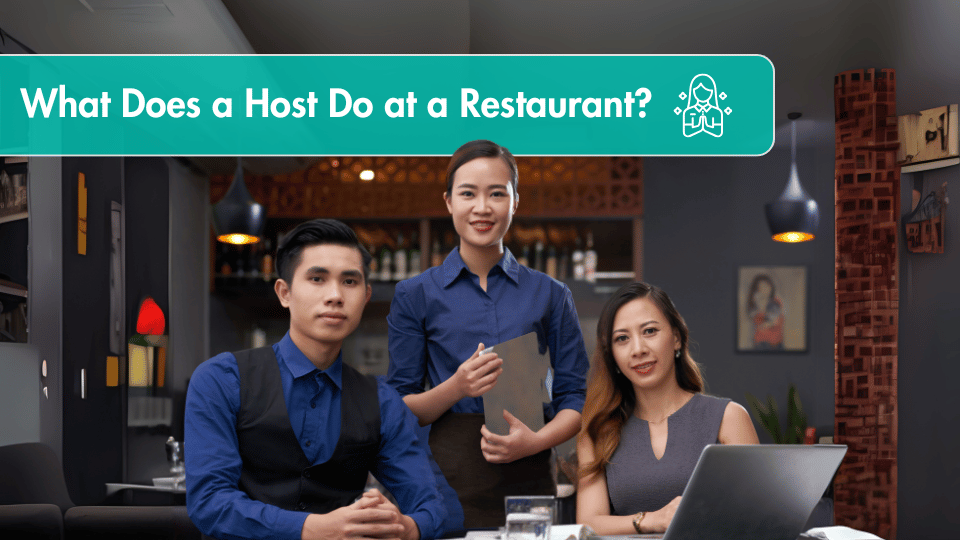
A restaurant host is the first point of contact for guests and the person who manages reservations, seating, wait times, and the overall flow of the dining room. The role shapes the entire dining experience, setting the tone at the door and keeping the front-of-house running smoothly, especially in fine dining and high-volume venues.
A host or hostess does far more than greet guests. Their influence extends from the pace of the dining room to how guests perceive your brand, which makes understanding the role operationally essential rather than a nice-to-have.
Host Job Description and Requirements
A host or hostess job blends guest service with floor logistics. The role centers on managing the front door so the rest of the team can focus on service. Primary duties include:
- Managing reservations through software or phone calls.
- Greeting guests and maintaining a welcoming atmosphere.
- Seating guests according to the seating chart and pacing needs.
- Providing accurate wait times and managing waiting lists.
- Handling customer inquiries and phone calls.
- Responding to special requests and accommodating large parties.
- Supporting wait staff by balancing sections and shift timing.
In some formats, hosts also operate a cash register, manage to-go orders, or assist with takeout logistics. A high school diploma is often preferred but not always required. What matters most is the ability to multitask, communicate clearly, and deliver strong customer service in a fast-paced environment.
Core Host and Hostess Duties in Action
On a live floor, those duties translate into constant, real-time coordination. The host is the one person tracking the whole room at once, which is why the job is as much logistics as hospitality.
- Seat with intent: Match guests to the right tables using real-time seating charts and pacing so no server gets triple-seated.
- Manage the waitlist: Quote accurate wait times and update waiting guests regularly to keep them at ease.
- Coordinate the floor: Communicate with servers, the kitchen, and management to keep service flowing consistently.
- Capture guest context: Document preferences, special occasions, and return visits to personalize the experience.
Whether the venue is casual or fine dining, the host makes the dining experience feel considered from the moment someone walks through the door.
Skills That Define a Great Host or Hostess
A great host is not just courteous. They perform under pressure while keeping a positive attitude and an efficient manner, which is a specific and trainable skill set rather than a personality type.
- Multitasking: Juggling walk-ins, waitlists, and to-go orders at the same time.
- Calm under pressure: Staying composed in a fast-paced environment with shifting priorities.
- Clear communication: Speaking effectively with waitstaff, kitchen, and guests.
- Tech fluency: Using reservation platforms, POS or cash registers, and seating-chart tools.
- Guest-first mindset: Delivering a positive experience with genuine attention to detail.
Great hosts build rapport quickly and act as the glue between operations and service.
Why First Impressions Matter for the Dining Experience
Hosts shape a guest's impression before a menu is even opened. Their tone, body language, and pace management set the emotional temperature of the whole room, and that first interaction can define how a guest judges the entire restaurant.
The host stand is the only position that touches every guest, every shift. Get that moment right, and the rest of the service starts on the front foot.
A strong host acknowledges waiting guests immediately, offers clear seating estimates, answers questions about reservations and menus, handles special requests with professionalism, and spots bottlenecks before they build.
Hosting in a Fine Dining Restaurant
In a fine dining restaurant, expectations for a host rise sharply. These venues depend on precision, emotional intelligence, and personalized service, so the host operates closer to a concierge than a greeter. In this setting, hosts are expected to:
- Track VIP guests and their personalized preferences.
- Handle wine list and menu inquiries with confidence.
- Escort guests to restrooms, manage coat checks, or liaise with valets.
- Manage prepaid reservations and private-room logistics.
- Provide concierge-level service for special occasions.
Here the host and hostess responsibilities go well beyond the basics, directly supporting both service excellence and brand experience.
Leveraging Technology to Enhance the Host Position
Today's host relies on connected systems to streamline front-of-house operations. The right tools turn a chaotic door into a coordinated one, especially at volume. Common systems include:
- Reservation software such as OpenTable or Resy for guest management.
- Waitlist tools to estimate wait times and notify waiting guests.
- POS and cash registers for integrated service tracking.
- CRM systems for guest history, allergies, and preferences.
- Digital checklists to prep the shift and keep service consistent.
For high-volume restaurants, these platforms help hosts manage customer flow efficiently. When they sync with the kitchen and service staff, the whole team performs better.
Training and Development: Building a Great Host Team
Host training is easy to overlook, but it should not be. Clear SOPs, role-specific checklists, and tech walkthroughs are what let new hires hit the ground running instead of learning by trial and error on a busy Friday night.
Effective host training includes:
- Step-by-step guidance on handling walk-ins, large parties, and wait times.
- Scripts for greeting guests and managing inquiries.
- Daily shift briefings and clear role expectations.
- Ongoing support for seating-chart management and system use.
Most hosts start in entry-level roles, but with the right development, they grow into supervisory and management positions. Strong training also sets the tone for a positive work environment, which helps attract qualified candidates and keep standards consistent across shifts.
Career Pathways: From Host Position to Leadership
Many hosts do not stay at the door. A host job is often a gateway into broader roles across the restaurant and hospitality industry, because the position exposes people to every moving part of the dining room. Common next steps include:
- Server or wait staff.
- Event coordinator.
- Assistant floor manager.
- Training and onboarding specialist.
- Hotel concierge or front-desk roles.
That full-floor exposure is exactly why so many hosts become strong candidates for leadership roles.
Business Impact: Why Hosting Is More Than Smiling and Seating
A great host at the door does measurable work, not just a warm welcome. When the seating chart is followed with intent, servers are not triple-seated, large parties are planned for, and guests settle in more easily, the entire shift flows better.
The operational payoff shows up quickly:
- Faster table turns with less friction.
- Higher guest satisfaction ratings.
- Better communication between front and back of house.
- Fewer escalations and comps.
- Stronger guest loyalty and retention.
In other words, hosting is an operational lever, not a formality.
How KNOW Elevates Host Operations
Even the best host struggles without structure. Hosts juggle seating, to-go orders, greetings, and waitlist updates all at once, and without clarity, consistency, and coordination, details slip through the cracks.
That is the gap KNOW closes. KNOW is a frontline operations platform that streamlines everything from shift prep to training to real-time updates, and for restaurant owners and managers it brings that same rigor to the front desk:
- Shift readiness: Hosts get digital pre-shift briefings, SOPs, and role expectations.
- Smart checklists: Opening, closing, and host-stand duties are trackable.
- Live communication: Managers push updates on pacing, guest notes, or walk-in surges instantly.
- Structured host training: New hires get interactive, mobile-first onboarding with visuals.
- Multi-location consistency: The host training process and guest welcome stay standardized across outlets.
A great host can transform a guest's dining experience, and KNOW helps them do it at scale, with confidence. Book a demo with KNOW to see how modern restaurant teams optimize every shift.
Frequently Asked Questions
1. What are the duties of a restaurant host?
A restaurant host manages reservations, greets and seats guests, provides accurate wait times, manages waiting lists, handles guest inquiries, and helps maintain the flow of the dining room.
2. Do hosts get paid tips?
This varies by restaurant. In some establishments, hosts receive a share of the tips through a tip pool, while in others they are paid hourly without tips.
3. What skills do you need to be a restaurant host?
You need strong communication, multitasking, tech fluency, a guest-first mindset, and the ability to stay calm under pressure.
4. What is a host in a restaurant?
A host or hostess is the first point of contact for restaurant guests. They manage reservations, waitlists, and seating, and keep front-of-house operations running smoothly.
5. What does a restaurant host do?
They greet guests, manage waitlists and reservations, seat guests efficiently, and help create a smooth, welcoming dining experience.
6. Is it better to be a host or a server?
It depends on individual preferences. Servers often earn more through tips, while hosting can be a less stressful entry point into hospitality.
7. What is the role of a host in a restaurant?
The host acts as a traffic controller and hospitality ambassador, balancing guest needs, seating strategy, and communication with the floor staff.
8. Is being a restaurant host easy?
It can look simple, but it requires fast decision-making, high emotional intelligence, and constant coordination, especially in high-volume or fine dining environments.
9. How do restaurant hosts get paid?
Most hosts are paid hourly. Tip policies vary, since some restaurants include hosts in pooled tips and others do not.
10. What is a host supposed to do?
A host greets guests, manages seating and waitlists, answers questions, and makes sure the guest's dining experience starts on a positive note.
Final Thoughts: Hosting as a Strategic Asset
In the hospitality industry, the host role is more than a formality. It is an operational keystone, and when the right systems, training, and support are in place, hosting becomes a strategic advantage that drives both guest experience and operational stability.
From managing reservations and phone calls to greeting guests and maintaining waitlists, the best hosts do it all with professionalism, calm, and warmth. Elevate this role and your restaurant rises with it. Book a demo with KNOW to turn your host stand into a hub of excellence.
Enjoying this article?
Ready to streamline your operations?

Related Articles

Bar Staff Training: A Complete Guide to Building a Skilled, Confident Team


.png)
How to Create Interactive Training Modules: A Practical Guide for Restaurants
.png)

Preventing Employee Burnout in Restaurants: Causes, Signs & Solutions