
Bar Staff Training: A Complete Guide to Building a Skilled, Confident Team
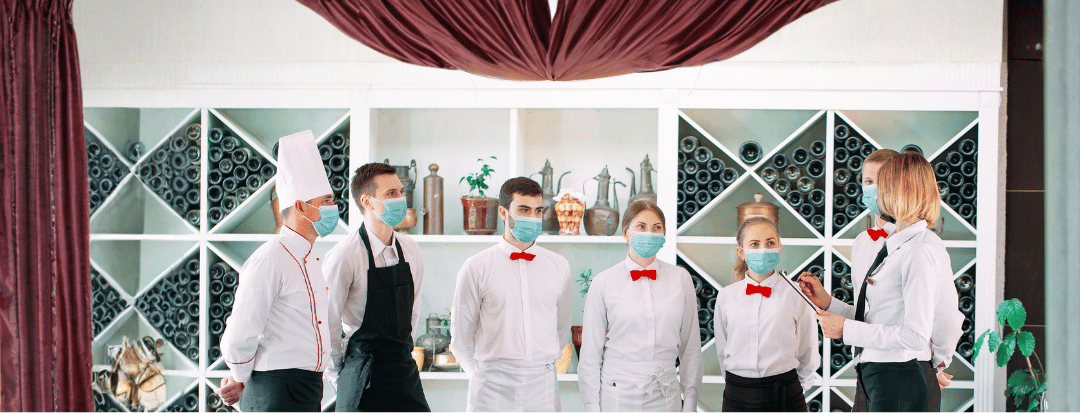
Bar staff training is the structured process of equipping bartenders, servers, and bar managers with the product knowledge, practical skills, and service standards they need to deliver exceptional customer service while staying compliant with alcohol laws. A well-trained bar team does not just make better drinks. It creates a better customer experience, reduces risk, and drives revenue.
In 2026, training bar staff means balancing technical expertise with soft skills, responsible alcohol service, and a commitment to continuous learning. This guide covers the essential training areas, proven tips, and the tools that make training stick.
Why Proper Training Is a Top Priority
Investing in proper training pays off across every part of your bar business. Trained staff feel confident handling difficult situations, upselling premium options, and maintaining compliance with local alcohol regulations.
Without a structured training schedule, you get inconsistent drink quality, slow service during rushes, compliance gaps, and higher turnover. A consistent training program reduces errors and improves staff retention, which directly protects your bottom line.
Essential Areas of Bar Staff Training
Effective training programs cover multiple skill areas. Here are the core categories every bar should address.
Product Knowledge
A well-informed bar staff member can confidently guide customers through the menu and offer recommendations. Training should cover spirit categories, wine varieties and regions, beer styles, and food pairings.
Staff should also understand the unique characteristics, history, and flavor profiles of all menu items. This knowledge builds credibility with customers and supports suggestive selling that feels helpful rather than pushy.
Drink Preparation and Technical Skills
Mastering drink-building techniques like muddling, layering, and precise measuring is necessary for operational success. Staff should memorize standard house recipes for classic cocktails and understand proper glassware selection and garnishing.
Speed drills, such as timed challenges for assembling complex orders, improve hustle without sacrificing accuracy. Technical training ensures consistency in drink quality across every shift.
Responsible Alcohol Service
Training in responsible alcohol service is non-negotiable. Staff must understand how to verify a customer's age by rigorously checking IDs, identify signs of intoxication, and manage situations where service must be refused.
Many regions mandate specific certifications such as TIPS (Training for Intervention Procedures) or ServSafe Alcohol. These programs equip staff with the knowledge to navigate legal regulations and help your establishment maintain its license.
Important: Alcohol laws are heavily regulated. Proper training in responsible service protects your business from ABC violations, license suspensions, and lowered fines through a reasonable efforts defense.
Customer Service Excellence
Customer service training should emphasize attentiveness, friendliness, and going the extra mile to create memorable experiences. Training bartenders to distinguish between guests who want social engagement and those who prefer a quick interaction improves service quality.
Active engagement techniques include greeting guests warmly, reading body language, and remembering the names and favorite drinks of regular patrons. These skills build loyalty and repeat business.
Health and Safety Compliance
Following health codes regarding glassware sanitization, safe garnish storage, and bar area cleanliness is essential. Staff should be trained on emergency procedures and regular review of health and safety guidelines.
A clean and organized bar environment contributes to better customer service and reduces health risks for both staff and customers.
Handling Difficult Situations
Role-playing scenarios help staff handle intoxicated or difficult customers by emphasizing active listening and early management involvement. Conflict resolution training gives your team the interpersonal skills to de-escalate problems before they disrupt the customer experience.
Maintaining a professional demeanor under pressure is a skill that separates good bar staff from great ones.
Teamwork and Communication
Effective teamwork and communication are foundational to a well-functioning bar. High-stress situations require clear and frequent communication among staff to ensure smooth operations.
During peak rushes, designating specific staff members as pourers and others as cashiers can prevent bottlenecks. Fostering collaboration through team-building activities and regular staff meetings improves both service speed and morale.
How to Build a Structured Training Program
A structured approach ensures consistency and makes progress measurable. Here are the key steps.
1. Define Clear Training Objectives
Setting clear, achievable goals provides direction and purpose. Break training into phases: orientation, technical skills, service standards, and compliance. Each phase should have specific outcomes staff are expected to meet.
2. Create a Structured Training Schedule
Implementing a structured 3 to 5 day training schedule where new bartenders shadow veterans builds confidence and muscle memory. A consistent schedule ensures every new hire gets the same foundation regardless of who trains them.
3. Use a Mix of Training Methods
Effective training programs utilize hands-on simulation, digital learning platforms, and structured mentorship. Different learning styles respond to different approaches, so blending methods keeps staff engaged and improves retention.
On-the-job training combined with digital courses covers both practical skills and knowledge-based learning. Microlearning tools can provide bite-sized daily training to keep staff updated on industry trends without pulling them off the floor.
4. Build a Comprehensive Training Manual
Comprehensive manuals should include house recipes, glassware standards, cleaning procedures, and POS troubleshooting guides. This gives staff a reference they can return to after training sessions end.
5. Provide Constructive Feedback Regularly
Providing constructive feedback is essential for staff development. Monitor pour accuracy and service speed through POS data and use that information during performance reviews.
Encourage staff to view feedback as a growth tool, not criticism. Regular one-on-one check-ins create a culture of continuous improvement.
6. Incorporate Training Into Daily Operations
Training should not stop after onboarding. Incorporating training into daily operations through pre-shift tastings, quick skill refreshers, and new drink introductions keeps learning ongoing.
Regularly reviewing and updating training materials based on feedback and industry trends ensures your program stays relevant.
Upselling and Suggestive Selling
Teaching suggestive selling techniques assists staff in recommending premium options or food pairings that increase average ticket size. The key is making recommendations based on guest preferences so the interaction builds trust rather than feeling transactional.
Staff who understand the menu deeply can naturally suggest new drinks, cocktail upgrades, or complementary items without it feeling forced. This is one area where product knowledge directly translates to revenue.
Keeping Up With Industry Trends
In 2026, there is an increased focus on sophisticated mocktails and low-ABV alternatives to cater to sober-curious trends. Staff should be trained on these options to serve every customer confidently.
Encouraging continuous learning through industry events, new techniques, and evolving menu knowledge keeps your team sharp and your bar competitive.
How KNOW Helps Bar Managers Train and Manage Staff
For bars and restaurant groups managing staff across multiple locations, keeping training consistent and operations standardized is the biggest challenge. Paper manuals get lost. Verbal training varies by trainer. Compliance gaps only surface when it is too late.
KNOW gives bar managers the tools to embed training and operational standards into how their team works every day.
1. Build and Deliver Training Courses on Mobile
Create bartender training courses with videos, quizzes, and interactive content that staff complete on their phones. From responsible alcohol service to product knowledge, every module is tracked for completion and quiz scores.
2. Standardize Daily Checklists Across Every Shift
KNOW digitizes opening checklists, closing procedures, cleaning tasks, and pre-shift prep so every shift runs to the same standard. Staff complete them on mobile with timestamps and photo evidence.
3. Track Skill Development and Training Progress
See exactly who has completed which training, who needs refreshers, and where gaps exist. Managers get real-time dashboards showing training status across the entire team without chasing paper records.
4. Assign and Track Tasks During Service
Assign prep tasks, restocking duties, and follow-up items to specific staff members with deadlines. Task completion is tracked in real time so nothing falls through the cracks during busy periods.
5. Keep Your Team Aligned With Instant Communication
KNOW's communication tools let you push announcements, menu updates, and shift notes to every team member instantly. No more relying on notice boards or hoping the message gets passed along.
Ready to make bar staff training consistent across every location?
Frequently Asked Questions
1. How often should I train bar staff?
Initial training should span 3 to 5 days for new hires, with ongoing training built into daily operations. Schedule formal refresher sessions at least quarterly, and update training materials whenever menu items, regulations, or procedures change.
2. Can online training replace in-person bar training?
Online training is excellent for product knowledge, compliance certifications, and standardizing content across locations. However, practical skills like drink preparation, speed drills, and customer interaction require hands-on, in-person practice. The most effective approach combines both.
3. What certifications do bar staff need?
Requirements vary by region. Common certifications include TIPS (Training for Intervention Procedures) and ServSafe Alcohol. Check with your state or local authority to confirm which certifications are mandatory and whether online training fulfills regulatory requirements.
4. How do I keep bar staff motivated during training?
Set clear, achievable goals. Use a mix of hands-on practice, digital learning, and mentorship to accommodate different learning styles. Provide constructive feedback regularly and recognize progress. Staff who see training as an investment in their skill development stay more engaged.
5. How can I measure the effectiveness of my bar training program?
Track metrics like drink consistency, service speed, upselling rates, customer feedback scores, and compliance incident frequency. Monitoring pour accuracy and order times through POS data provides objective benchmarks for individual and team performance.
Build a Bar Team That Performs Under Pressure
Great bar staff training turns new hires into confident, skilled team members who deliver consistent service, stay compliant, and drive revenue. The investment pays for itself in faster service, fewer incidents, and stronger customer loyalty.
Enjoying this article?
Ready to streamline your operations?

Related Articles
Bar Staff Training: A Complete Guide to Building a Skilled, Confident Team


.png)
How to Create Interactive Training Modules: A Practical Guide for Restaurants
.png)

Preventing Employee Burnout in Restaurants: Causes, Signs & Solutions