How to Start a Virtual Restaurant: A Practical Guide to the Delivery-Only Business Model
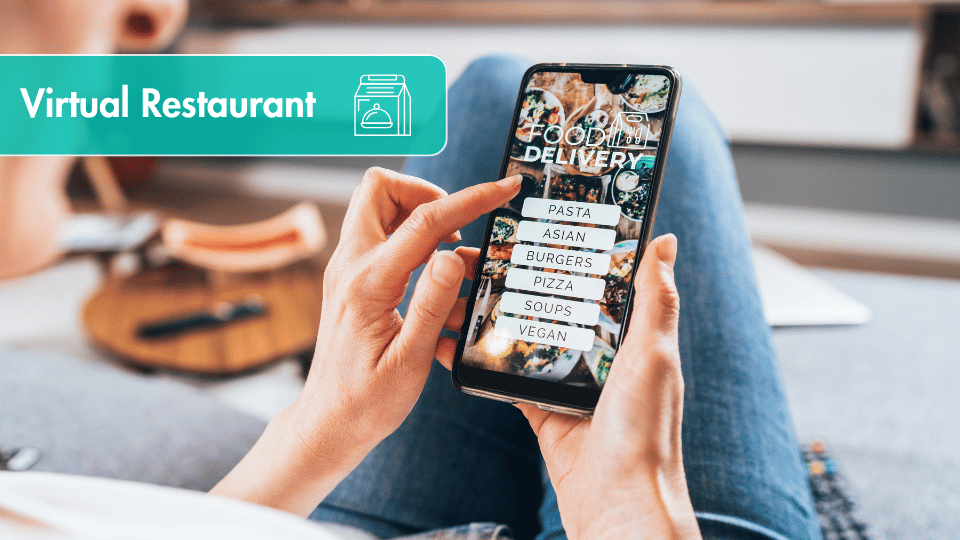
A virtual restaurant is a delivery-only food business that operates without a storefront or dining room, preparing food in an existing or commercial kitchen and selling exclusively through third-party delivery apps. Also called a ghost kitchen or dark kitchen, the model lets operators launch new brands, improve kitchen efficiency, and reach more customers without the overhead of physical expansion.
But it is not as simple as uploading a menu to a delivery app. Success depends on delivery-friendly menu design, streamlined operations, and a strong digital brand, especially when you rely on third-party delivery platforms. This guide breaks down what a virtual restaurant is, how it works, and how to start and scale one using the kitchen resources you already have.
What Is a Virtual Restaurant?
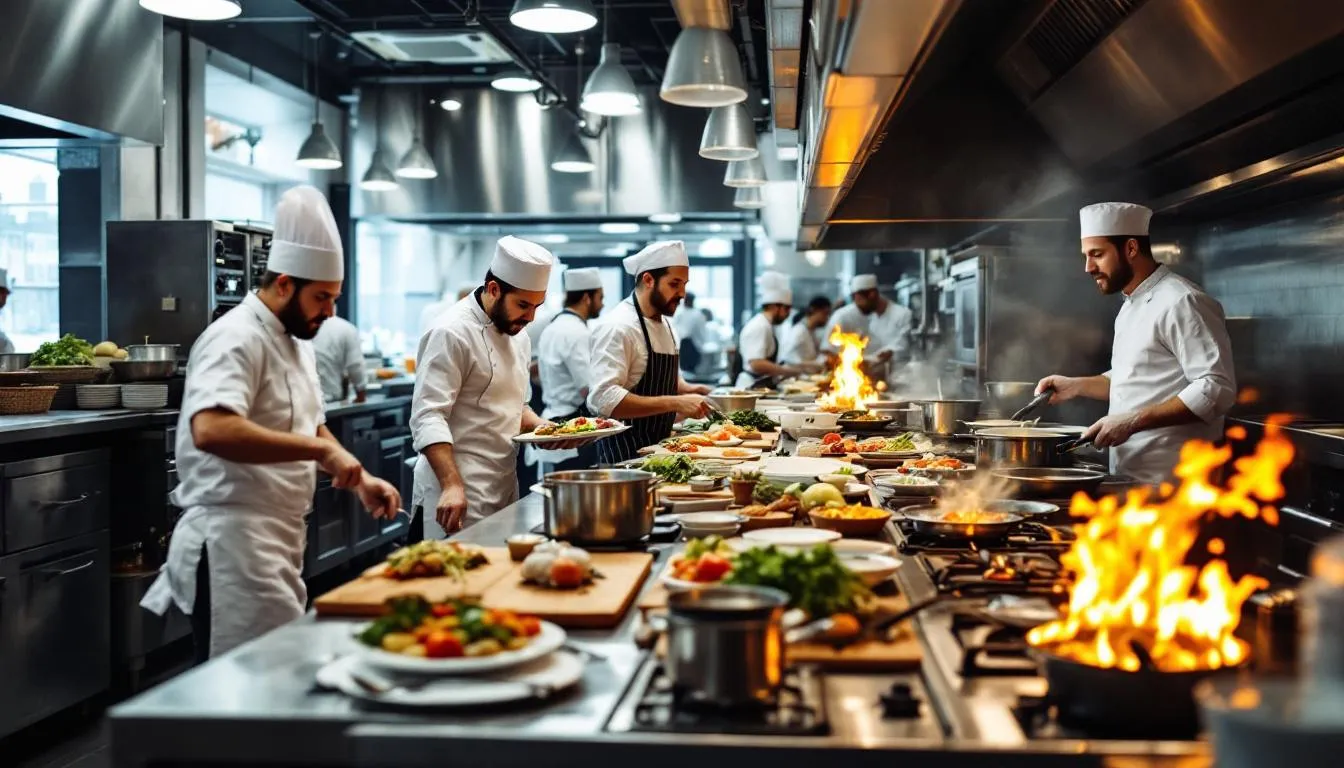
A virtual restaurant, also known as a ghost kitchen or dark kitchen, operates without a storefront or dining room and focuses entirely on online food delivery. It uses either a brick-and-mortar kitchen shared with an existing restaurant or a dedicated commercial kitchen to prepare food exclusively for pickup and delivery through third-party platforms.
A virtual restaurant brand is the identity under which delivery orders are placed, and it may share kitchen space with an existing restaurant. Operators can run one or several virtual brands from the same physical kitchen, each tailored to a different cuisine or audience, to reach new customers without opening a new location.
Why Virtual Restaurants Are So Relevant Today
The model has surged because it removes most of the cost and risk of traditional expansion. The five drivers below explain why operators are adopting it now:
- Lower upfront costs: No storefront, dining furniture, or front-of-house staff to fund.
- Faster adaptation to trends: Launch a new cuisine in weeks by adding a virtual menu rather than renovating a kitchen.
- Expanded delivery reach: Tap into customers who prefer ordering food online through apps.
- Better use of kitchen assets: Maximize capacity during off-peak hours.
- Low-risk concept testing: Trial new food ideas without building a full-scale restaurant.
How Do Virtual Restaurants Work?
Virtual restaurants exist entirely online but require a real kitchen. Orders are placed through food delivery apps, prepared by kitchen staff, and handed to couriers, while the customer interacts with the brand only through digital touchpoints. The operation breaks into a few repeatable stages.
Concept development
Choose a clear food concept and target audience that align with your kitchen's existing capabilities. A burger restaurant might spin up a virtual brand focused on loaded fries, or a cafe might launch a morning smoothie-bowl concept, in both cases reusing equipment and ingredients already on hand.
Menu design for delivery
Design dishes that hold up during transit, favoring items that travel well such as bowls, rice dishes, and sandwiches, in packaging-friendly portions. Keep the menu limited to roughly 6 to 10 items so prep stays fast and consistent.
Delivery app integration
List the virtual restaurant on platforms like Uber Eats, DoorDash, and Grubhub. Each listing needs a menu with photos, descriptions, and prices, your brand assets such as logo and tagline, and accurate cuisine tags so customers can discover you in search.
Kitchen workflow and order fulfillment
Optimize kitchen operations for speed and accuracy by assigning dedicated staff or prep stations, managing tickets through a kitchen display system or POS, and keeping branded packaging and labels stocked so orders go out correctly during a rush.
Delivery and hand-off
Most brands rely on third-party couriers by default, while in-house drivers add control at the cost of complexity. Whichever you use, make sure orders are labeled correctly and packaging is tamper-proof and spill-resistant before hand-off.
Digital feedback and adjustments
Track item ratings, star reviews, order accuracy, and delivery times, then use that feedback to tweak menu items, packaging, or staff training. Because there is no dining room, these digital signals are your primary read on quality.
Marketing your virtual brand
With no foot traffic to rely on, visibility comes from in-app promotions like discounts and free delivery, geo-targeted social ads, QR-code inserts in your dine-in packaging, and collaborations with local influencers or content creators.
Step-by-Step: How to Start a Virtual Restaurant
Starting a virtual restaurant follows a clear sequence, from validating demand to scaling what works. The eight steps below turn the concept into a launch plan.
1. Research local demand and delivery trends
Start with your delivery radius and use location-specific data from platforms like Uber Eats and DoorDash, plus industry sources such as Nation's Restaurant News. The goal is to learn which cuisines are oversaturated, which items trend well in delivery, how price points are distributed, and which time windows generate the most orders, so your concept has both demand and delivery viability.
2. Select a concept that fits your kitchen
Avoid adding complexity. Choose a concept that leverages your current kitchen workflow, so if your line already handles grilled proteins well, a bowl-based concept like "Steak and Grain" lets you repurpose ingredients and equipment. Favor familiar prep methods, ingredients you already stock, and low-impact additions to your existing line.
3. Design a menu for delivery
Delivery performance matters as much as taste, so streamline the menu for speed, portability, and consistent presentation. Keep the following best practices in mind:
- Keep the item count low, around 6 to 10 SKUs maximum.
- Bundle items into combos to increase ticket size.
- Test packaging for insulation and leak resistance.
- Eliminate fragile garnishes or items that degrade in transit.
4. Set up the right delivery structure
Decide how food reaches the customer: third-party only keeps overhead low but cedes control, while a hybrid model with in-house drivers gives more control at the cost of complexity. Whichever you choose, set clear pickup protocols with a separate pickup station that does not disrupt dine-in, a labeling system for multiple brands, and tight coordination between expo and front-of-house.
5. Integrate with delivery apps
Create distinct listings on Uber Eats, DoorDash, and Grubhub, uploading optimized photos, short names, and clear descriptions, and apply correct tags such as "chicken wings" or "healthy bowls" for search visibility. Keep branding separate if you run multiple virtual brands. Each platform requires individual approval and may take 7 to 14 days to go live.
6. Prepare your staff and back-of-house workflow
Smooth operations depend on how well the kitchen adapts, so train staff on portion control specific to the virtual menu, packaging technique and station setup, and ticket timing and peak-hour flow. Use batch prep and dedicated staff where possible so virtual orders do not slow down core operations.
7. Launch and actively promote
Visibility drives orders. Launch with a short-term promo such as 20% off the first order or free delivery, and push content to your existing social followers. Layer in app-based boosts or sponsored listings, cross-promotion in your main restaurant through flyers and QR codes, and geo-targeted Instagram or TikTok ads, then test different prices, images, and descriptions to see what converts. Monitor item performance and order volume daily through the in-app dashboards.
8. Scale or pivot based on performance
Once your systems are stable, introduce additional niche brands like dessert-only or late-night concepts, target new neighborhoods through shared commercial kitchens, convert underperforming brands into more viable food types, and expand hours to capture off-peak demand. Keep using customer feedback and delivery-app analytics to refine menus, pricing, and operations.
Virtual Restaurant vs. Traditional Restaurant
The two models diverge across cost, staffing, and how customers find you. A traditional restaurant carries high fixed costs and a full front-of-house, while a virtual restaurant trades physical presence for kitchen efficiency and digital discovery, accepting lower revenue per ticket in exchange for volume and flexibility.
The takeaway is that a virtual brand competes on operational speed and delivery experience rather than dining-room atmosphere, which is why menu design and back-of-house discipline carry so much weight.
Key Considerations Before You Start
Before launching, weigh the factors that most affect whether a virtual brand turns a profit. Kitchen capacity, delivery commissions, food quality in transit, brand positioning, compliance, and marketing budget each shape the economics in a different way.
Delivery commissions in particular, often 25% to 35% of each order, are the single biggest pressure on margin, so model them into your pricing before you go live rather than after.
Common Challenges of Running a Virtual Restaurant
Even a well-planned virtual restaurant runs into predictable friction, and most of it traces back to delivery logistics and platform dependence. Food quality can degrade in transit when packaging and menu items are not built for transport, producing soggy textures, temperature loss, or poor presentation. Overreliance on third-party platforms compounds the problem, because high commission fees and a lack of direct customer access make long-term loyalty hard to build.
Operations create a second cluster of challenges. Mixing dine-in and virtual orders in one kitchen without dedicated systems leads to delays, missed items, and quality drops during peak hours, and menu complexity creeping in through extra SKUs or cross-utilized ingredients overwhelms staff and increases ticket errors. Running several virtual brands without clear differentiation dilutes recognition and confuses customers.
Visibility and feedback round out the list. Virtual restaurants struggle to gain traction on delivery apps without sponsored listings or algorithm boosts, limited direct communication makes it harder to resolve complaints or adjust menus quickly, and a loose pickup process for delivery drivers results in cold food and negative reviews. Naming these risks early is what lets you design systems that prevent them.
How KNOW Streamlines Virtual Restaurant Operations
Running a virtual restaurant means keeping your kitchen efficient, your labor costs controlled, your staff aligned, and your delivery orders flawless. KNOW manages that complexity by replacing paperwork and guesswork with clear, trackable systems, supporting the day-to-day of virtual kitchens in five ways:
- Opening and closing checklists: Digitize shift routines like opening prep, packaging setup, order staging, and end-of-day cleanup so no step or restock is missed during a rush.
- Food safety and storage compliance: Keep audit-ready records for cold-storage checks, expiry logs, and hygiene protocols, making it easy to see what is safe to send out.
- Audit and operational reviews: Run regular audits for kitchen cleanliness, packaging standards, and delivery readiness, with results scored and reported in real time.
- Maintenance and downtime reporting: Log equipment issues and packaging shortages directly from the line so teams flag and resolve problems before orders stall.
- Shift scheduling and staff tracking: Assign kitchen shifts, track attendance with GPS check-ins, and keep everyone aligned across multiple virtual brands or locations.
KNOW turns your kitchen into a delivery-ready operation with no missed steps or surprises, even during peak hours. Book a free demo to see it in action.
Final Thoughts
Virtual restaurants are a powerful way to grow without expanding your footprint, but success depends on how well you manage the operation behind the scenes. From food safety and prep flow to delivery accuracy and team coordination, virtual kitchens demand structure.
KNOW gives you the clarity, consistency, and control to run a virtual restaurant that delivers more than food. Book a free demo and take your delivery-only brand to the next level.
Frequently Asked Questions
1. Can I launch a restaurant business online without opening a physical location?
Yes. The virtual restaurant model lets you operate a delivery-only business without a brick-and-mortar location. You prepare food in a licensed kitchen, list your virtual brand on third-party platforms like Uber Eats, and serve customers entirely through online food delivery.
2. Why are more restaurants choosing to go virtual?
Many operators shift to virtual models to reduce overhead, test new concepts quickly, and meet rising delivery demand. With no storefront or dining room, virtual restaurants offer a low-risk way to reach a digital-first audience using existing kitchen space and staff.
3. How is a virtual restaurant different from a traditional restaurant?
Unlike a traditional restaurant, a virtual restaurant has no physical location for customers to visit, no dining room, host stand, or table service. The entire interaction happens through online food delivery, which lets operators save on labor and real estate costs.
4. How do I start a virtual restaurant from an existing kitchen?
Identify underused capacity, choose a virtual brand concept that aligns with your kitchen's strengths, design a delivery-friendly menu, and integrate with major delivery platforms. Make sure your kitchen staff is trained for packaging, timing, and brand-specific execution.
5. What are the main advantages of the virtual restaurant model?
The model offers low startup costs, flexible branding, and fast market testing. Without a storefront or dining room, owners reduce operational costs and can trial new food concepts quickly based on demand and customer preferences.
6. Can a virtual restaurant run multiple brands from the same kitchen?
Yes. Many successful virtual restaurants run multiple brands from one kitchen. For example, a single kitchen might prepare food for a taco brand, an Italian concept, and a vegan bowl concept at the same time, making efficient use of existing staff and ingredients.
7. Do I need a commercial kitchen to launch a virtual restaurant?
Yes. You need a licensed commercial kitchen that complies with local food safety regulations. This can be an existing restaurant kitchen, a ghost kitchen facility, or a shared kitchen space that lets you safely prepare delivery orders and scale as demand grows.
8. How do virtual restaurants ensure food quality during delivery?
They design menu items with travel in mind, choosing packaging that retains temperature and texture, simplifying plating, and using ingredients that hold well in transit. Monitoring customer feedback on food quality is essential for long-term brand success.
9. How important is branding for a virtual restaurant?
Branding is critical. Without a physical presence, a virtual restaurant must stand out through its menu, brand name, food photography, and online reputation. A strong online presence helps attract new customers and differentiate from competing concepts.
10. What challenges should I expect when running a virtual restaurant?
Expect to manage delivery-app commissions, maintain food quality in transit, coordinate delivery drivers, and prevent brand confusion across multiple concepts. Operators also need to invest in market research and marketing to compete in a crowded online market.
Enjoying this article?
Ready to streamline your operations?

Related Articles
Bar Staff Training: A Complete Guide to Building a Skilled, Confident Team


.png)
How to Create Interactive Training Modules: A Practical Guide for Restaurants
.png)

Preventing Employee Burnout in Restaurants: Causes, Signs & Solutions