.png)
Retail SOP: Building Consistency and Efficiency in Store Operations
A retail SOP (standard operating procedure) is a documented set of instructions that details how to perform store tasks consistently and safely, from opening and closing to handling inventory, serving customers, and maintaining cleanliness. SOPs act as a playbook so every task is done the same way, delivering a seamless customer experience across all locations.
Running a retail store requires dozens of moving parts to work together, from keeping shelves stocked and appealing to balancing the register at closing. This article explains what a retail SOP is, why it matters, and how to develop and implement procedures that support operational excellence in your business.
What Is a Retail SOP?
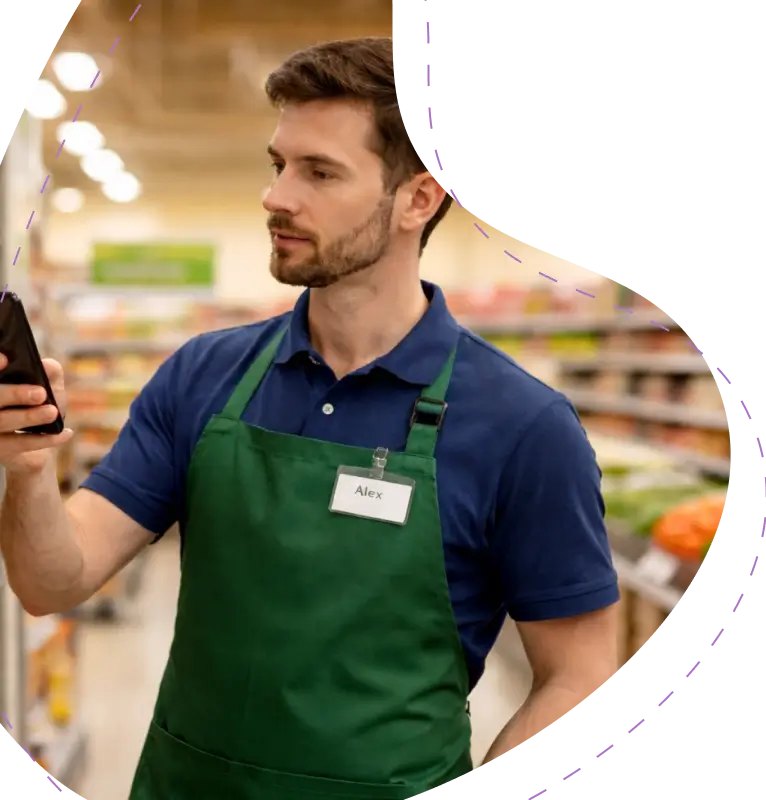
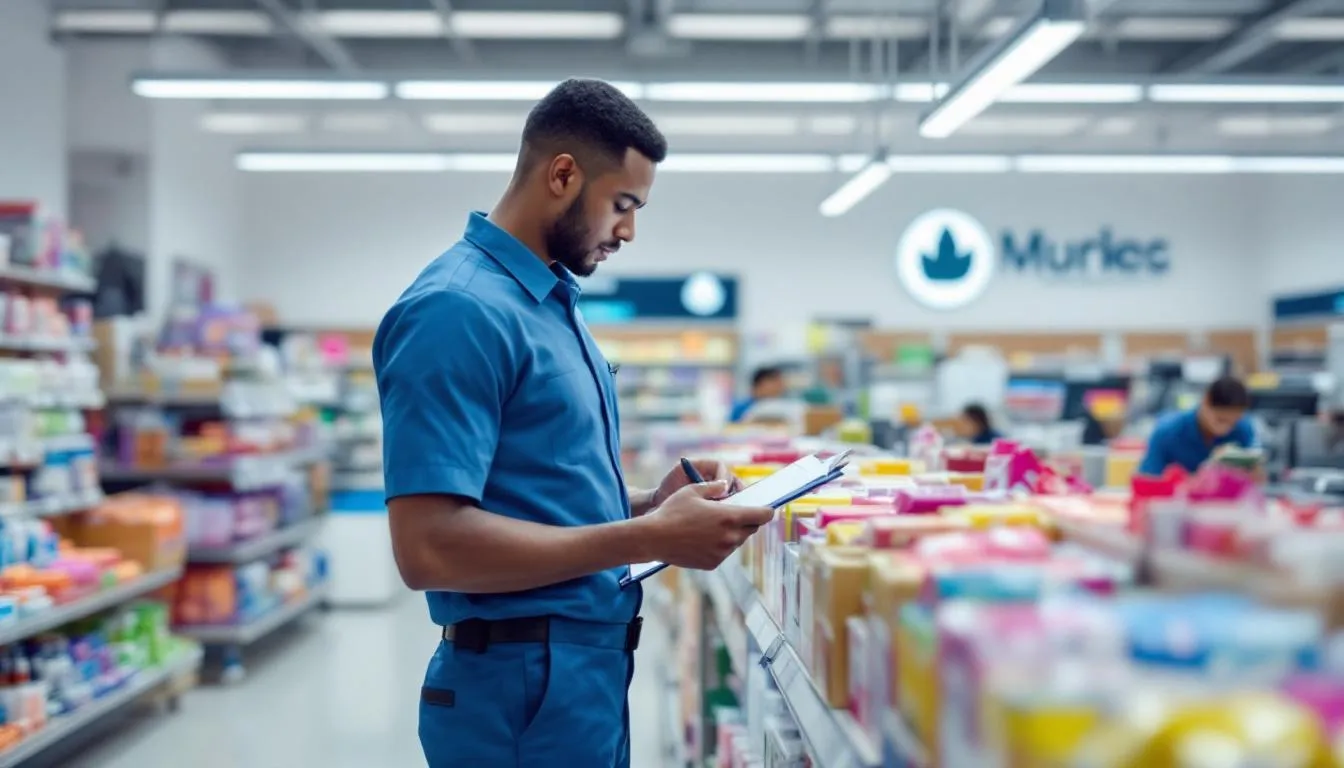
A standard operating procedure is a documented set of instructions detailing how to perform specific tasks consistently and safely. In retail, SOPs guide employees through processes like opening and closing the store, handling inventory, serving customers, and maintaining cleanliness. They are more than checklists, describing roles, responsibilities, and the sequence of steps needed for consistent quality and compliance.
Retail SOPs vary with the size of the operation. A small boutique may have a few procedures covering cash handling, inventory counts, and cleaning, while retail chains often maintain extensive manuals spanning merchandising standards to health and safety. Whatever the scale, effective SOPs share the same traits: clear, concise, accessible, and updated regularly.
Why Retail SOPs Matter
SOPs do more than document tasks; they protect quality, efficiency, and compliance as a business grows. The benefits show up across the whole operation.
- Consistency across locations: Standard procedures ensure customers get the same service and quality at every outlet, strengthening brand identity and trust.
- Operational efficiency: SOPs streamline repetitive tasks and remove guesswork, reducing wasted time and bottlenecks.
- Quality control: Detailed instructions reduce variation in product handling, presentation, and customer interactions.
- Training and onboarding: Step-by-step instructions shorten the learning curve so new hires perform correctly from day one.
- Regulatory compliance: SOPs help meet and document health and safety, labor, food safety, and financial requirements.
- Risk management: Procedures for safety, loss prevention, and emergencies reduce the risk of accidents, theft, and legal issues.
Core Components of Retail SOPs
A complete retail SOP set covers the full store day and every function that keeps it running. These are the core areas to document.
Store opening procedures
- Check for signs of forced entry.
- Turn on lights, signage, and background music.
- Inspect security and fire systems.
- Verify POS equipment functionality.
- Conduct a brief inventory-level check.
- Set up displays or menu boards.
Store closing procedures
- Count cash drawers and reconcile sales.
- Clean customer areas and restrooms.
- Restock shelves and refrigerators.
- Turn off appliances and equipment.
- Set security alarms and lock all entry points.
Inventory management
- Forecast product demand and place and track supplier orders.
- Receive deliveries and check for damage or expiry.
- Update inventory records and stock shelves correctly.
- Handle returns, shortages, and overstock.
- Conduct cycle counts on a weekly, monthly, or quarterly basis.
Customer service and checkout
- Greet customers consistently and assist with product selection.
- Handle returns and exchanges efficiently and address complaints.
- Promote upselling and loyalty programs.
- Scan items accurately, apply discounts, and process multiple payment types.
- Offer farewells and receipts.
Cash handling and financial controls
- Set up cash drawers with starting balances.
- Accept and record all cash and card payments.
- Issue correct change and receipts.
- Reconcile sales at day's end and prepare and log bank deposits.
- Secure funds in a safe or drop box and apply dual-control verification.
Visual merchandising and store atmosphere
- Follow product placement guides and use consistent pricing labels and signage.
- Implement seasonal display schedules.
- Adjust lighting and music to brand standards.
- Monitor temperature and scent settings.
Cleanliness, hygiene, and safety protocols
- Follow daily cleaning schedules for floors, restrooms, and shelves.
- Dispose of waste and recycle as required, and sanitize surfaces and equipment.
- Apply food handling protocols such as handwashing, gloves, and temperatures.
- Prepare for emergencies and know evacuation routes and extinguisher locations.
- Monitor loss prevention through cameras and staff awareness.
People management and training
- Use onboarding checklists for new hires.
- Provide role-specific training modules and regular coaching.
- Set and enforce dress codes and shift schedules.
- Outline break policies and communication rules.
Loss prevention and incident reporting
- Conduct bag checks and verify returns.
- Monitor for suspicious behavior.
- Use incident logs and reporting forms and notify supervisors or security.
- Identify trends and provide refresher training as needed.
Developing Retail SOPs
Building effective SOPs takes planning and collaboration rather than writing rules in isolation. Work through these eight steps.
- Define objectives. Decide what your SOPs should achieve, such as better customer satisfaction, compliance, less waste, or brand consistency.
- Identify critical processes. Outline the tasks essential to daily operations, from opening and closing to merchandising, inventory, service, cash handling, and cleaning.
- Map workflows. Break each process into steps, documenting who performs each, the order, required tools, and decision points, using flowcharts where helpful.
- Consult your team. Involve the employees who do the tasks daily, since they spot bottlenecks and their buy-in makes instructions practical.
- Document detailed instructions. Write clear, plain-language steps that specify what to do, how, and why, with safety cautions where relevant.
- Use templates and checklists. SOP templates standardize formatting, and checklists reinforce adherence and verify completion.
- Train staff. Roll out SOPs through sessions, demonstrations, and role-play, and make sure employees know where to find them.
- Monitor and refine. Track how well SOPs work, gather feedback, audit regularly, and update documents when processes change.
Examples of Retail SOPs by Function
Mapping SOPs to each store function shows how the pieces fit together and what each one is meant to accomplish.
Implementing and Maintaining SOPs
Well-written SOPs are only the first step; implementation takes communication, training, and ongoing oversight. Make procedures easy to reach, whether printed in a binder, on tablets, or built into an operations platform, and fold SOP reviews into staff meetings while recognizing employees who follow them.
As the business evolves, keep SOPs current. New products, promotions, seasonal changes, and regulations all call for updates, so assign someone to review procedures at least quarterly and invite employees to suggest improvements when they find a better way.
How KNOW Can Help
Managing SOPs across multiple stores can be daunting. KNOW offers a centralized platform that digitizes your standard operating procedures and helps ensure consistent execution.
- Digital SOP templates: Convert paper manuals into interactive checklists staff access on mobile devices, guiding employees step by step with clear instructions.
- Task assignment and scheduling: Assign routine tasks like opening procedures, inventory counts, or cleaning to specific employees with automated reminders, so coverage stays reliable through schedule changes.
- Real-time visibility: Monitor task completion live, review photos or comments, and spot outstanding tasks to support accountability and quick fixes.
- Training modules: Upload SOP training into the learning module so new hires complete bite-sized lessons and quizzes, with managers tracking completion and gaps.
- Audit readiness: Keep digital logs of SOP adherence so reports on completed tasks, corrective actions, and training records prove compliance during inspections.
By integrating SOP management with daily operations, KNOW reduces administrative burden and keeps standards consistent across locations. Whether you run one store or a regional chain, KNOW keeps teams aligned without relying on paper or memory. Book a free demo to simplify SOP management across your stores.
Frequently Asked Questions
1. What is an SOP in retail?
An SOP in retail is a detailed document outlining how specific store tasks should be performed to ensure consistency, quality, and compliance. It gives step-by-step instructions for opening the store, managing inventory, serving customers, handling cash, and maintaining safety and cleanliness, which standardizes operations and makes it easier to train staff and scale.
2. How often should retail SOPs be updated?
Review SOPs at least quarterly and update them to reflect new products, changing regulations, or process improvements. Updates may also follow a major incident or customer feedback, and keeping SOPs current ensures employees always have accurate instructions.
3. Do SOPs slow down operations?
At first, introducing SOPs can feel time-consuming as employees learn new routines. Once established, though, they streamline operations by eliminating guesswork, reducing errors, and speeding up repetitive tasks, creating a more consistent customer experience.
4. Should SOPs replace training?
No, SOPs complement training rather than replace it. They serve as reference materials that reinforce what employees learn, while effective training introduces the SOPs, demonstrates the tasks, and lets employees practice, with ongoing coaching to ensure they are followed.
5. How do SOPs improve customer experience?
By standardizing service, SOPs ensure every customer is greeted warmly, assisted promptly, and checked out efficiently. Consistent displays, clean premises, and reliable returns all create a seamless experience that makes customers more likely to return and recommend the store.
6. Can digital SOP tools work in small businesses?
Yes. Digital SOP tools benefit businesses of all sizes, and smaller stores often lack dedicated admin staff to keep procedures current. Digitizing SOPs lets managers assign tasks, track completion, and update procedures without reprinting manuals, while supporting training and central documentation.
7. How do I ensure employees follow SOPs?
Clear communication, proper training, and accountability are key. Introduce SOPs during onboarding, give hands-on demonstrations, and encourage questions, then use checklists or digital apps to track completion. Recognize employees who adhere and address non-compliance promptly, and consider building SOP adherence into performance reviews.
8. What should be included in a retail store opening procedure?
An opening procedure should include security checks, inspection of lights and equipment, POS readiness, a brief inventory check, signage setup, cash drawer preparation, cleaning of customer areas, and a review of the day's promotions. This ensures the store is ready for customers and runs smoothly from the start.
9. Are SOPs necessary for a small boutique or cafe?
Yes. A boutique or cafe may have fewer employees, but customers still expect consistent service and quality. SOPs help new employees learn quickly, ensure tasks like cash handling and cleaning are done correctly, support compliance, and free up the owner's time by reducing constant supervision.
10. How do SOPs support business continuity?
SOPs provide a blueprint others can follow when key employees are absent, so tasks continue uninterrupted through turnover, illness, or emergencies. They also serve as evidence of compliance during inspections and capture institutional knowledge, supporting long-term stability and growth.
Enjoying this article?
Ready to streamline your operations?

Related Articles

Bar Staff Training: A Complete Guide to Building a Skilled, Confident Team


.png)
How to Create Interactive Training Modules: A Practical Guide for Restaurants
.png)

Preventing Employee Burnout in Restaurants: Causes, Signs & Solutions