Best way to avoid bacterial contamination
What is bacterial contamination?
Bacterial contamination occurs when bacteria are present in food. There are several ways that bacteria can contaminate food, including through contact with contaminated surfaces, food handling practices, and poor food safety procedures. Bacteria can also contaminate food if it is not cooked properly.
What are the consequences of bacterial contamination?
Bacterial contamination can cause foodborne illness, which can lead to serious health problems, including hospitalization and even death. Bacterial contamination can also damage your reputation and business, as customers will not want to patronize a restaurant that is not taking proper precautions to ensure their safety.
What is the best way to avoid bacterial contamination?
There are a few key things that restaurant owners and managers can do to prevent bacterial contamination:
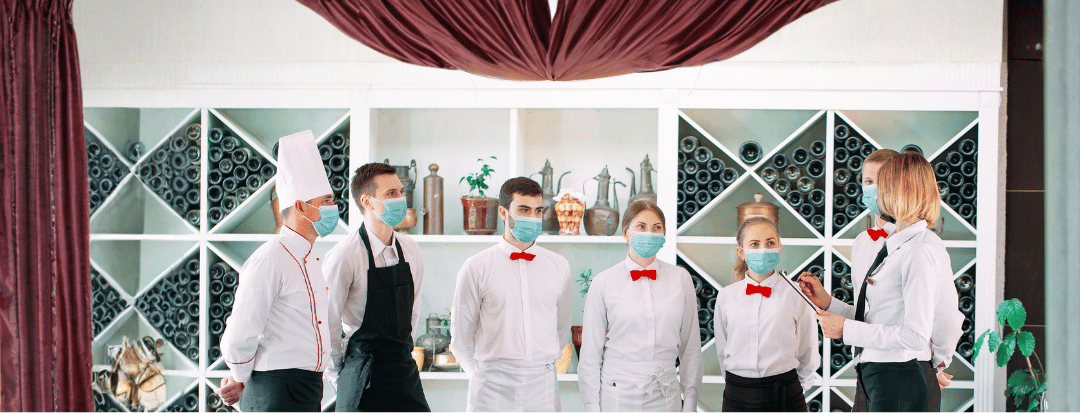
- Train staff on proper food handling practices. Bacterial contamination can be prevented by properly washing hands, cooking food properly, and avoiding cross-contamination.
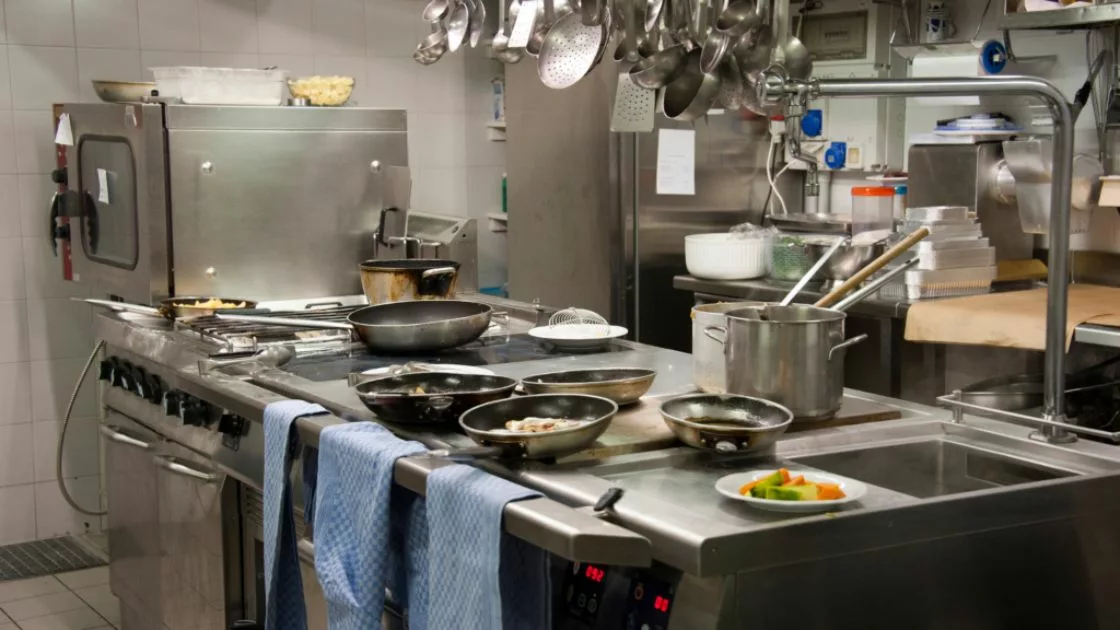
- Keep food preparation areas clean and free of clutter. Bacteria can easily spread in dirty or cluttered environments.
- Use disinfectant wipes or sprays to clean surfaces that come into contact with food. This includes countertops, cutting boards, and utensils.
- Avoid using bare hands to handle food. Use gloves, tongs, or other utensils instead.
- Store food properly to keep it from spoiling. This includes keeping food at the correct temperature and using airtight containers.
- Regularly check that your refrigerator and freezer are at the correct temperature. Bacterial contamination can spread quickly in warm environments.
By taking these steps, you can help prevent bacterial contamination in your restaurant. If you do find yourself dealing with a contamination issue, be sure to act quickly to minimize the risk to your customers and your business.
How can you stop bacteria from growing in food?
The best and most effective way to stop bacteria from growing in food is to properly cook it to the recommended internal temperature. The amount of contamination in the food you prepare in your kitchen can be reduced to a safe level by cooking. Even though other methods of handling food, such as safe storage conditions and good hygiene, can help prevent contamination, cooking is the final and most important step in limiting bacterial growth.By giving the food enough heat, any microorganisms, including bacteria used in food production, are destroyed. Heat causes structural damage to bacteria, preventing them from reproducing and posing a threat to your customers.To ensure that the food they serve is safe, restaurants must maintain a comprehensive food safety plan that tracks cooking temperatures.
How can food handlers reduce bacteria to safe levels?
Food handlers can successfully lower the level of bacteria to a safe level by adhering to the proper food handling procedures. Listed below are some examples of effective practices that help:
- Raw and prepared foods should be kept in cool, dry places. By keeping cold foods cold and hot foods hot at the proper temperature, bacterial pathogen growth can be prevented. To reduce the number of pathogens in the food when preparing meals ahead of time, cook the ingredients at low temperatures.
- All utensils and areas that come into contact with food should be clean. Including the tools and equipment used to prepare your products, thoroughly clean and sanitize any areas that may come into contact with food. Use hot, soapy water or sanitizing liquids like liquid chlorine bleach solution as needed. Additionally, this procedure includes washing hands with soap and warm water to maintain good food hygiene.
- Establish a reliable water source. Various types of food are frequently contaminated by bacteria from sources such as contaminated water.
- Following sanitization, always let surfaces air dry. The surfaces can become contaminated again even with clean cloths.
At what temperature do most bacteria stop growing?
Bacteria typically stop growing on prepared or cooked foods at temperatures below 40°F (5°C) and above 60°F (140°C). The temperature range between 40°F and 140°F (5°C and 60°C), also known as the temperature danger zone, is where perishable foods are most likely to spoil as a result of harmful bacterial growth.To ensure that very little to no bacteria will be left alive in fresh foods, cook foods to an internal temperature of 165° F (74° C) unless your food safety agencies advise a different internal temperature.
Does Refrigeration Prevent Bacterial Growth in Food?
The optimum range for bacterial growth is between 40 and 140 degrees Fahrenheit, and perishable foods like meat and dairy products are the ideal strata where they multiply most quickly. This is why perishable foods should always be stored in the refrigerator at or below 40 degrees Fahrenheit.Between 32 to 40 degrees Fahrenheit, bacteria can still grow, but at a significantly slower rate. Even when properly refrigerated, raw perishable food must be consumed within a certain time frame, usually 3 to 4 days, as refrigeration only prolongs the shelf life of the food. If you do not think you will consume the food by the specified date, think about freezing it.
Can microwaving food kill bacteria?
If you don't want to eat food contaminated with harmful microbes, make sure to keep your microwave spotless. Wipe up any splatters immediately, and give the area a good scrubbing if there are any meat drippings (which tend to be full of nasty bacteria). In other words: clean as you go!Even the inside of microwaves, where the food is placed, harbors germs. They also present dangers from the outside. Microwave oven door handles are one of the most germ-ridden areas, and are often overlooked when it comes to cleaning. Most people simply assume that they are clean, but in fact, they hide a lot of bacteria.
What should I do if I suspect that my food is contaminated?
If you suspect that your food is contaminated, you should take the following steps:
- Discard any potentially contaminated food.
- Thoroughly clean and sanitize all surfaces and utensils that may have come into contact with the contaminated food.
- Contact your local health department to report the incident and find out what additional steps need to be taken.
Looking to take your food safety procedures to the next level? Check out KNOW, a digital tool that can help you streamline all your operations.
Enjoying this article?
Ready to streamline your operations?

Related Articles

Bar Staff Training: A Complete Guide to Building a Skilled, Confident Team


.png)
How to Create Interactive Training Modules: A Practical Guide for Restaurants
.png)

Preventing Employee Burnout in Restaurants: Causes, Signs & Solutions