What Is TCS Food? Essential Insights and Guidelines for Safe Handling
Food safety is a top priority in any kitchen, whether in restaurants, catering services, or home cooking. One of the biggest risks in food handling comes from improper temperature control, which can lead to bacterial growth and make food unsafe, resulting in foodborne illnesses. Perishable foods, especially those with high moisture content and protein levels, require careful monitoring to prevent contamination and ensure consumer safety.Without proper storage, cooking, and cooling techniques, these foods can quickly enter the temperature danger zone (40°F–140°F or 4°C–60°C), where bacteria multiply at dangerous rates. To mitigate these risks, regulatory agencies like the FDA Food Code and HACCP (Hazard Analysis and Critical Control Points) provide strict guidelines for food handling. Following these protocols is essential for maintaining food safety, preventing outbreaks, and ensuring compliance with health standards.
What is TCS Food?
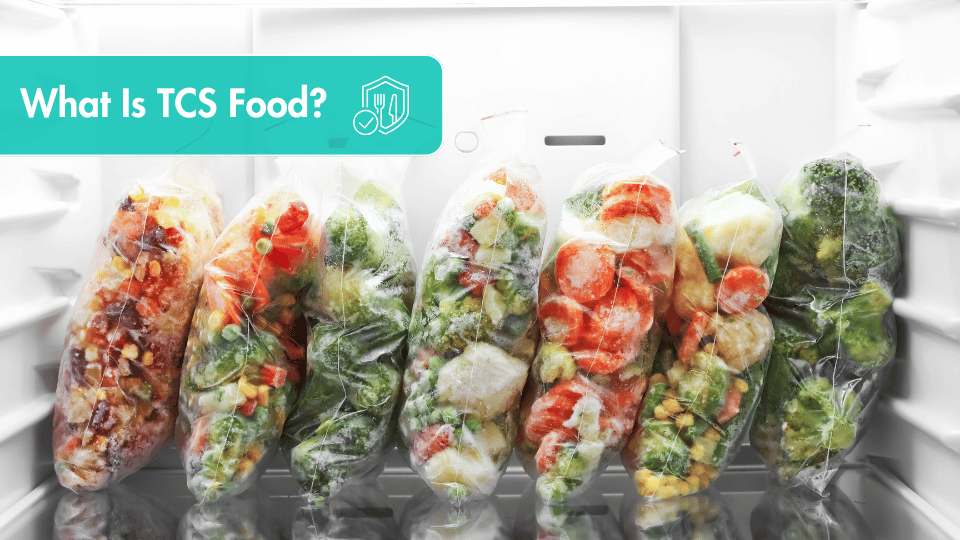
TCS food, or Time/Temperature Control for Safety food, refers to perishable items that require strict handling to prevent the growth of harmful bacteria. These foods have characteristics that make them highly susceptible to contamination—high moisture content, high protein levels, and neutral acidity. Such conditions provide the perfect environment for illness-causing bacteria to multiply if time and temperature controls are not maintained.To keep TCS food safe, it must be stored, cooked, and cooled correctly, ensuring it does not remain in the temperature danger zone (40°F–140°F or 4°C–60°C) for extended periods. Both cold foods and warming foods must be monitored to maintain proper TCS food temperatures and prevent foodborne illnesses. Understanding what TCS food is and how to apply time and temperature controls is essential in food safety, whether in restaurants, catering services, or home kitchens.
What Qualifies as TCS Food?
TCS food is any food that requires time-temperature control to prevent bacteria from thriving. These include foods with:
- High moisture content – Water activity above 0.85, creating an environment for bacterial growth.
- High protein content – Found in meats, dairy, and seafood, providing nutrients for bacteria.
- Neutral to slightly acidic pH – pH levels between 4.6 and 7.5 support rapid bacterial multiplication.
Because these foods create ideal conditions for microbial activity, TCS time temperature control is necessary to reduce the risk of contamination. It is crucial to maintain proper storage temperatures for most TCS foods to prevent bacterial growth and ensure food safety.
Why TCS Food Requires Strict Handling?
Without proper Temperature control for TCS foods, illness-causing bacteria can multiply rapidly. If TCS food remains in the temperature danger zone for over two hours, bacteria like Salmonella, E. coli, and Listeria can grow to unsafe levels.Key handling practices include:
- Cooling foods quickly after cooking to prevent bacterial reproduction. Proper cooling techniques, such as the two-step process, are essential to cool food efficiently and safely.
- Cooking foods to the required internal temperature to kill pathogens.
- Keeping frozen foods at or below 0°F (-18°C) to halt microbial activity.
- Maintaining proper food safety practices in both commercial and home kitchens.
Difference Between TCS Food and Non-TCS Food
FactorTCS FoodNon-TCS FoodStorage RequirementNeeds temperature control TCS foods (refrigeration or heating)Can be stored at room temperatureBacterial Growth RiskHigh due to illness-causing bacteriaLow as it does not support bacterial growthMoisture ContentHigh, which supports bacterial reproductionLow, making it less perishableProtein ContentHigh, providing nutrients for bacteriaUsually low, reducing contamination riskAcidity LevelNeutral to slightly acidic (pH 4.6–7.5)High acidity (pH below 4.6), preventing bacteriaExamplesCooked foods, dairy, meat, poultry, seafood, cut fruitsDry grains, dried beans, whole fruits, honey, nutsHandling NeedsRequires TCS food temperatures and time temperature controlNo special temperature requirementsBy understanding what TCS food is and how it differs from non-TCS food, food handlers can effectively implement control for safety TCS measures. Whether in food service operations or home kitchens, ensuring food safety through proper handling of TCS food reduces contamination risks. It is crucial to keep TCS foods safe by following proper handling and storage guidelines to prevent pathogen growth.
Food Safety Risks Associated with TCS Foods
TCS food is highly susceptible to contamination because it provides the ideal environment for illness-causing bacteria to thrive. Harmful pathogens like Salmonella, E. coli, and Listeria multiply rapidly in foods with high moisture, protein, and neutral acidity. Without proper temperature control for TCS foods, these bacteria can grow to dangerous levels, leading to foodborne illnesses.Poor time and temperature controls in cooling, warming, and handling cooked or frozen foods can cause outbreaks. It is crucial to follow TCS food safety guidelines and practices to prevent food spoilage and bacterial growth in perishable foods.
Why Bacteria Multiply Rapidly in the Temperature Danger Zone
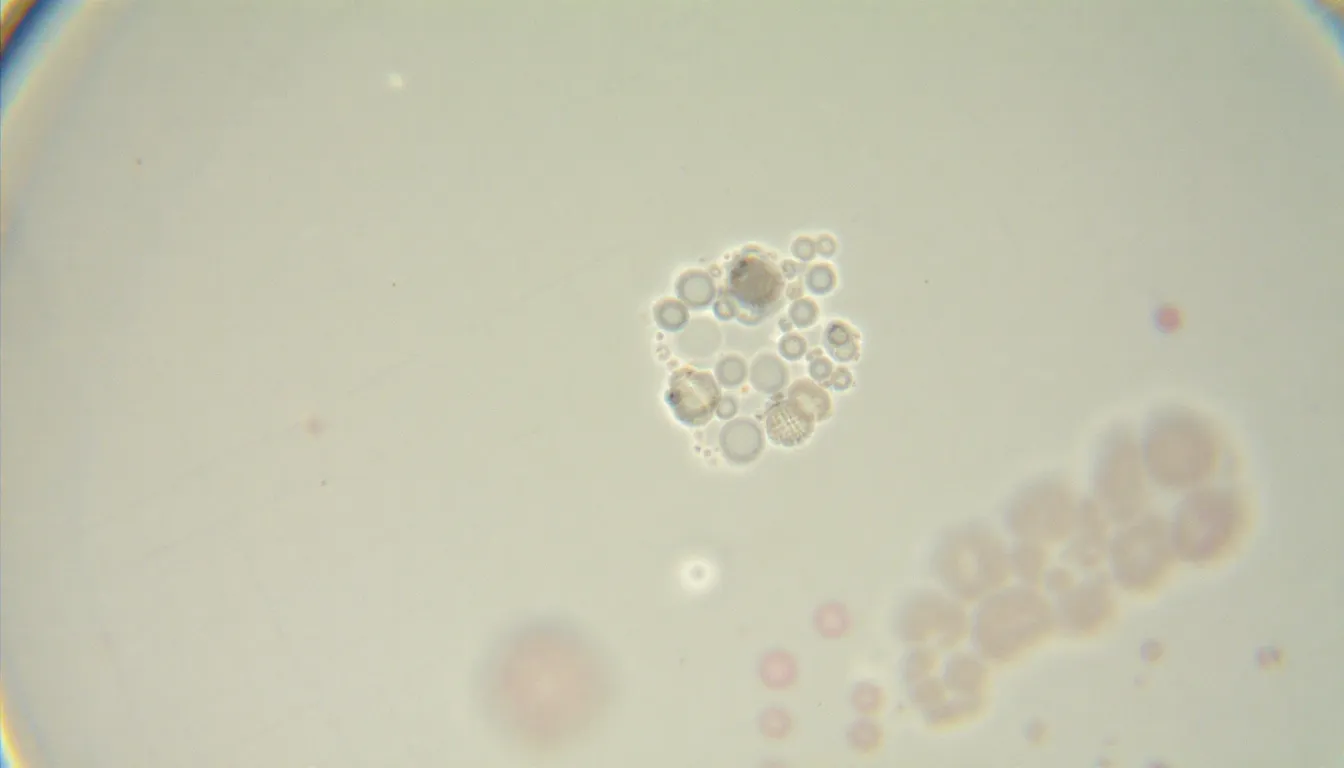
Bacteria such as Salmonella, E. coli, and Listeria double in number every 20 minutes when food is left in the temperature danger zones, specifically between 41 to 135 degrees Fahrenheit. Factors that contribute to bacterial growth include:
- Time exposure: The longer food remains in the danger zone, the higher the contamination risk.
- Moisture content: Bacteria thrive in TCS food with high water activity, such as dairy and meats.
- Protein-rich foods: Cooked foods like poultry and seafood provide nutrients for bacteria.
- Improper cooling foods: Hot food must be cooled quickly to avoid prolonged exposure.
- Frozen foods thawing improperly: Defrosting at room temperature allows bacteria to grow.
Examples of Improper Temperature Storage Leading to Food Safety Issues
Failing to follow time and temperature control has led to major foodborne illness outbreaks. Some real-world cases include:
- Buffet food left at room temperature – Poor control for safety TCS caused an outbreak at a wedding.
- Undercooked poultry in restaurants – TCS food temperatures weren’t maintained, leading to illness-causing bacteria like Salmonella.
- Cooling foods too slowly in large containers – Soups and stews retained heat too long, fostering bacterial growth.
- Improper handling of cold foods – Dairy and cut fruit stored above 40°F (5°C) caused food poisoning incidents.
By following these time and temperature control guidelines, food handlers can prevent contamination and ensure the safe consumption of TCS food.
How to Properly Handle and Store TCS Food
1. Receiving and Inspection
Proper handling of TCS food starts at the receiving stage, where all food deliveries must be inspected to ensure safety. Any product that arrives in the temperature danger zone (40°F–140°F or 5°C–60°C) should be rejected to prevent contamination. Suppliers must follow strict time and temperature controls to maintain food quality.To verify supplier compliance, inspect shipments using calibrated thermometers and ensure that cold foods arrive at 40°F (5°C) or below and frozen foods are at 0°F (-18°C) or lower. Check for signs of illness-causing bacteria, such as discoloration, unusual odor, or damaged packaging. If food does not meet temperature control for TCS foods standards, it should be returned immediately.
2. Storage Guidelines
Proper storage prevents the growth of harmful bacteria and cross-contamination. TCS food temperatures must be maintained in refrigeration, freezing, and dry storage areas. Below is a simplified storage guide: Storage TypeTemperature RequirementBest PracticesRefrigerationBelow 40°F (5°C)Store perishable items like dairy and seafood cold.FreezingBelow 0°F (-18°C)Keep frozen foods solid to prevent thawing.Raw vs. Cooked FoodsStore separatelyKeep raw meats on lower shelves to prevent drips.Labeling & DatingUse FIFO method (First In, First Out)Ensure older stock is used first to prevent waste.Dry StorageCool, dry area below 70°F (21°C)Keep canned goods, grains, and dry ingredients safe.By following TCS food storage protocols, businesses and home kitchens can reduce contamination risks and keep TCS food safe.
3. Cooking and Holding
Cooking TCS food to safe temperatures kills illness-causing bacteria and prevents foodborne illness. All meats, poultry, seafood, and cooked foods must reach their minimum internal temperature before serving.
- Ground meats should be cooked to at least 160°F (71°C) for safety.
- Poultry must reach a minimum of 165°F (74°C) to kill pathogens.
- Seafood should be cooked to 145°F (63°C) to ensure safety.
- Holding hot foods: Maintain at 135°F (57°C) or above to prevent bacterial growth.
- When reheating foods, ensure they reach an internal temperature of 165°F (74°C) within two hours before serving to prevent bacterial growth.
4. Cooling and Reheating
TCS food cooling must follow safe methods to prevent bacterial growth. The two-stage cooling method ensures food moves out of the temperature danger zone quickly.Understanding what TCS mean in food service is crucial for maintaining food safety by controlling time and temperature to prevent bacteria growth.
Two-Stage Cooling Method
- First stage: Reduce food temperature from 135°F to 70°F (57°C to 21°C) within 2 hours.
- Second stage: Cool from 70°F to 40°F (21°C to 5°C) within 4 hours.
Safe Reheating Practices
- TCS food temperatures must reach at least 165°F (74°C) before serving.
- Avoid reheating food more than once, as it increases bacterial contamination risk.
- Use microwaves or stovetops for thorough reheating instead of slow warmers.
- Stir foods while reheating to distribute heat evenly and eliminate cold spots.f
- Discard any food not reheated within 2 hours to maintain food safety.
By following these Time and temperature control methods for TCS foods, food establishments and home kitchens can ensure the safety of TCS food, preventing foodborne illnesses and contamination risks.
Best Practices for Preventing TCS Food Contamination
1. Personal Hygiene
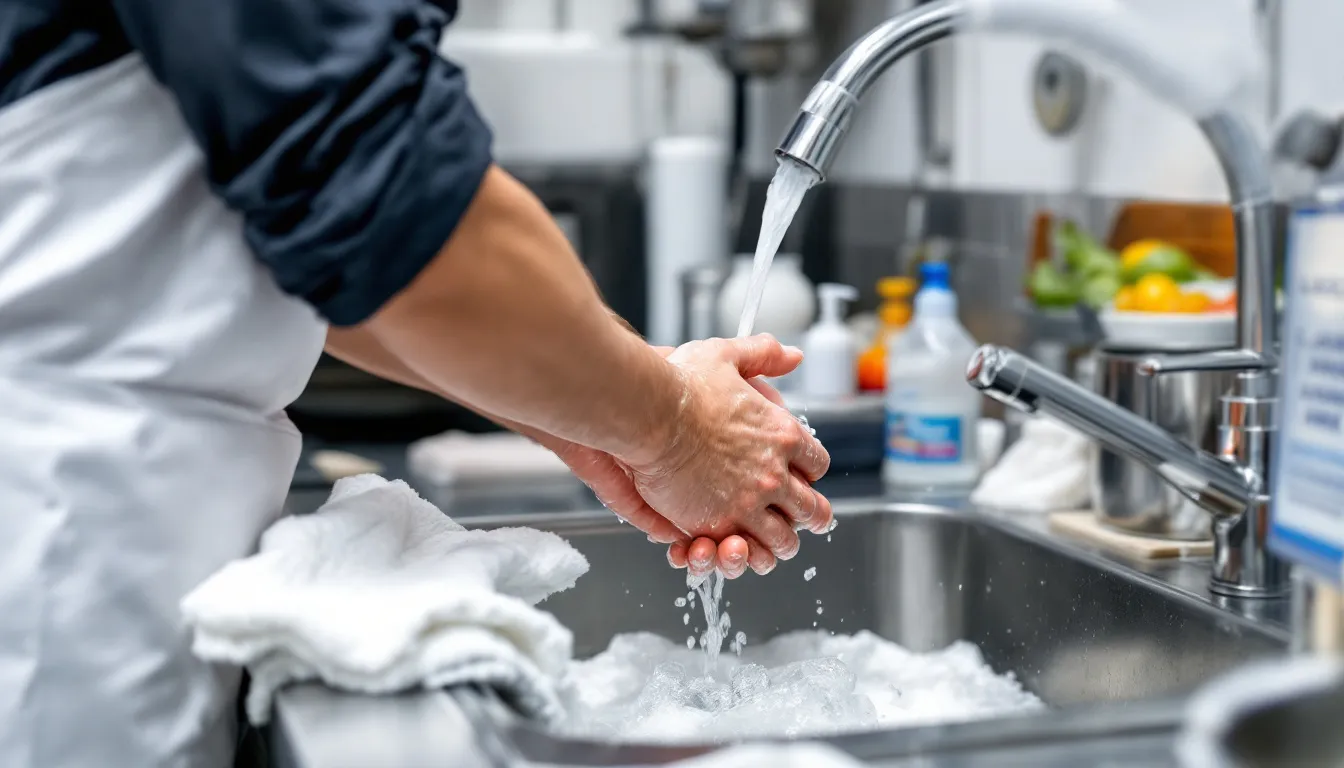
Maintaining proper personal hygiene is one of the most effective ways to prevent TCS food contamination. Illness-causing bacteria can spread through unclean hands, improper handling, and poor hygiene practices. Food handlers must wash their hands frequently—before preparing food, after handling raw ingredients, and after using the restroom.Protective gear, such as gloves, hairnets, and aprons, is crucial in food safety. Gloves should be changed when switching between raw and cooked foods to prevent cross-contamination. Hairnets prevent stray hairs from falling into food, and clean uniforms reduce the risk of spreading bacteria. Ensuring staff follows strict hygiene guidelines helps keep TCS food temperatures safe and minimises contamination risks.
2. Cross-Contamination Prevention
Cross-contamination occurs when illness-causing bacteria from raw food transfer to cooked foods, utensils, or work surfaces. Preventing the growth of harmful bacteria requires proper cleaning and time and temperature controls.
Steps to Prevent Cross-Contamination
- Separate raw and cooked foods – Store raw meats away from ready-to-eat items.
- Use color-coded cutting boards – Assign separate boards for meat, seafood, and vegetables.
- Sanitize utensils after each use – Wash knives and cutting tools immediately after cutting raw foods.
- Keep hands clean – Wash hands after handling raw ingredients to avoid spreading bacteria.
- Disinfect work surfaces frequently – Clean countertops and prep areas with food-safe disinfectants.
By following these TCS food safety procedures, foodborne contamination risks are minimized.
3. Sanitization Procedures
Proper sanitization is essential to maintaining food safety in restaurants, commercial kitchens, and homes. Cleaning with food-safe disinfectants eliminates illness-causing bacteria and ensures safe TCS food temperatures are maintained.
- Use hot, soapy water to clean utensils and cutting boards after handling raw food.
- Apply food-safe disinfectants to workstations, counters, and storage shelves daily.
- Ensure dishwashers reach proper sanitation temperatures of at least 180°F (82°C).
- Regularly clean walk-in refrigerators and freezers to prevent bacterial buildup.
- Change cleaning cloths and sponges often to avoid spreading contamination.
By integrating TCS time temperature control with strict cleaning measures, food safety is effectively maintained.
4. FIFO Method (First In, First Out)
The FIFO (First In, First Out) method ensures that older food stock is used before newer inventory, preventing spoilage and foodborne illness. Proper inventory rotation is critical for safety TCS foods that have limited shelf life.
- Label all food items with expiration dates to track freshness.
- Store new stock behind older stock to ensure proper rotation.
- Check storage temperatures regularly to maintain TCS food temperatures.
- Discard expired food immediately to prevent contamination.
- Monitor frozen foods to ensure they remain at 0°F (-18°C) or below.
- Refrigerate cooked foods promptly at 40°F (5°C) or lower.
- Train staff on proper FIFO procedures to maintain food safety standards.
How KNOW Can Help with Food Safety in a Restaurant
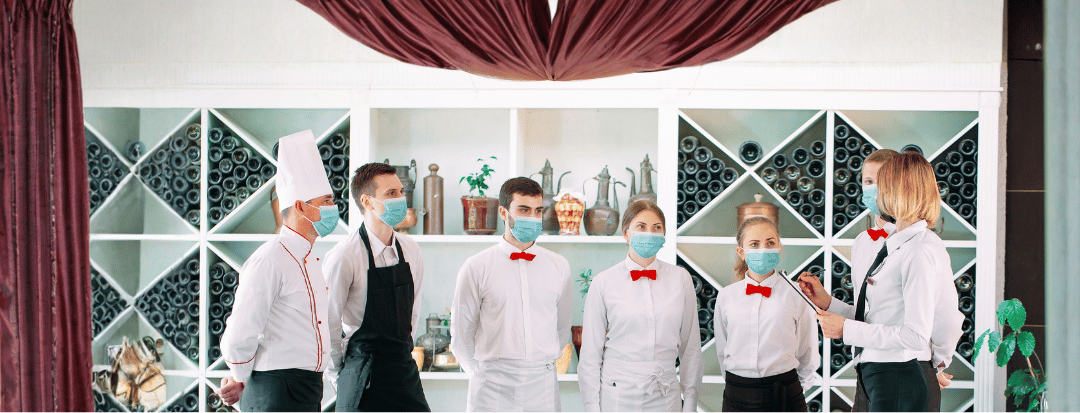
Maintaining food safety in a restaurant requires strict adherence to hygiene protocols, compliance checks, and proper staff training. KNOW helps restaurants implement and enforce food safety measures by digitizing critical processes, reducing manual errors, and ensuring real-time monitoring of compliance.
- Automated Food Safety Checklists – Streamline daily kitchen operations by digitizing handovers, opening and closing procedures, and sanitation checks, ensuring consistency, accountability, and regulatory compliance.
- Hygiene & HACCP Compliance Tracking – Conduct routine hygiene audits, track food and equipment temperatures, and maintain HACCP compliance effortlessly.
- Employee Training & SOP Access – Equip staff with mobile-based training modules, SOP guides, and food safety assessments for continuous learning and adherence to protocols.
- Audit & Inspection Readiness – Maintain digital records of pest control, fire safety, and equipment maintenance audits to ensure smooth inspections and regulatory compliance.
- Incident & Risk Reporting – Log and track food safety incidents, contamination risks, and equipment failures in real-time to prevent hazards before they escalate.
- Real-Time Compliance Monitoring – Gain instant visibility into food safety processes across all locations, ensuring standards are met consistently.
KNOW empowers restaurants to uphold the highest food safety standards, reduce risks, and maintain a clean, compliant, and safe dining environment.[maxbutton id="1" url="https://www.getknowapp.com/get-started" text="Book a Free Demo" ]
FAQs
1. What is TCS food?Temperature control for TCS foods includes perishable items that require strict temperature control to prevent illness-causing bacteria growth. Examples include dairy, meat, seafood, and cut fruits.2. What is the temperature danger zone for TCS food?The temperature danger zone is 40°F–140°F (5°C–60°C), where bacteria multiply rapidly. Food should not be left in this range for more than 4 hours.3. How should cold and hot TCS foods be stored?Cold foods must be kept below 40°F (5°C), while warming foods should be maintained above 135°F (57°C) to prevent contamination.4. What is the two-stage cooling method?Cooling foods should be reduced from 135°F to 70°F (57°C–21°C) within 2 hours, then to 40°F (5°C) within 4 hours.
Enjoying this article?
Ready to streamline your operations?

Related Articles

Bar Staff Training: A Complete Guide to Building a Skilled, Confident Team


.png)
How to Create Interactive Training Modules: A Practical Guide for Restaurants
.png)

Preventing Employee Burnout in Restaurants: Causes, Signs & Solutions