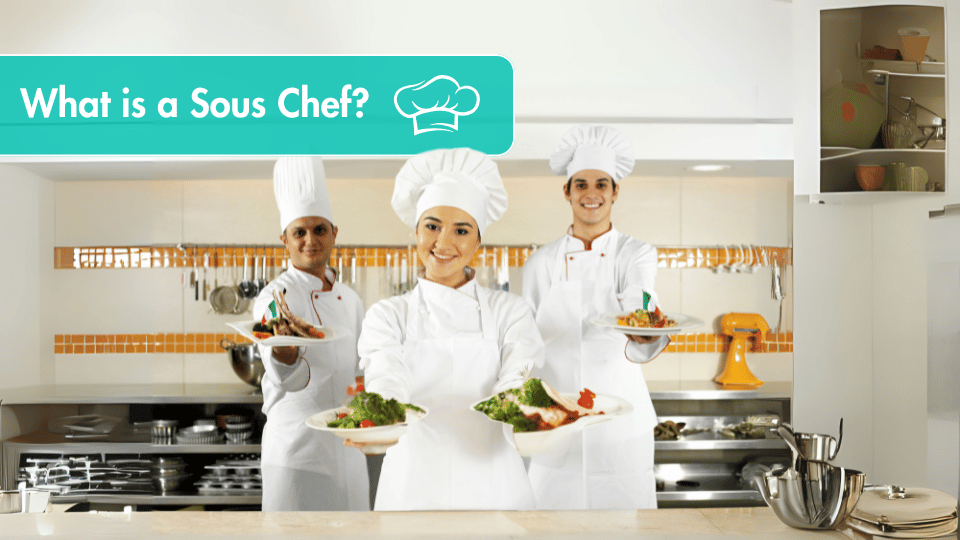
What is a Sous Chef? A Tactical Breakdown of the Second-in-Command
A sous chef is the second in command in a professional kitchen, reporting to the executive chef and responsible for running daily operations during service. They assign work to line cooks, oversee prep, enforce food safety, coach junior staff, and step into any station when needed. In short, the sous chef turns the executive chef's vision into consistent execution on every shift.
While the executive chef sets the big-picture direction, the sous chef makes sure that vision is delivered on every plate and by every team member. From managing the brigade to enforcing prep standards and filling gaps when service goes off track, this role keeps the kitchen fast, functional, and food-safe. For operators, understanding it is essential to building a kitchen that does not rely on one person's presence to succeed.

What Is a Sous Chef?
A sous chef reports directly to the executive chef or chef de cuisine, and their focus is execution. On a typical shift, the role covers a clear set of operational duties:
- Assigning work to the line cooks.
- Managing prep cooks and commis chefs.
- Running pre-shift setups.
- Monitoring plating and station readiness.
- Troubleshooting service issues in real time.
They also uphold SOPs, manage shift transitions, and coach junior staff on cooking techniques. In simple terms, the sous chef is the operational manager of the kitchen, linking the executive chef's strategic direction to tactical execution on the line.
Where the Sous Chef Sits in the Kitchen Hierarchy
The sous chef sits directly below the executive chef and above the station chefs, acting as the bridge between strategy and daily service.
The sous chef is your enforcer of standards across stations. Without them, even the best menus and recipes fall apart in execution.
The Sous Chef's Core Responsibilities
The role spans five core areas, each one a lever on kitchen consistency. Together they explain why a strong sous chef is so hard to replace.
1. Running the kitchen team
Sous chefs manage station assignments, monitor team performance, and fill gaps when needed, holding the kitchen's tempo steady through service. What to look for: strong communication, a visible presence on the floor, and quick conflict resolution.
2. Overseeing food prep
Before each shift, the sous chef confirms that every station is fully prepped and equipped, stepping in directly when prep lags or falls behind spec. What to look for: meticulous prep standards, versatility across stations, and proactive readiness checks.
3. Enforcing food quality and safety
Sous chefs own food hygiene, labeling, storage, temperature control, and cleanliness, treating these not as routine back-of-house chores but as real risk controls. What to look for: relentless attention to cleanliness, real-time compliance checks, and leadership by example.
4. Training and upskilling staff
From onboarding new cooks to coaching line staff on timing and technique, sous chefs drive skill development and operational consistency. What to look for: teaching clarity, patience, and a willingness to correct without demoralizing.
5. Supporting the executive chef
A good sous chef flags problems, tests fixes, and fine-tunes the kitchen plan based on the realities of service rather than theory. What to look for: reliable feedback, fast course correction, and sound judgment under pressure.
What Makes a Great Sous Chef?
Beyond technical skill, a handful of qualities shape a sous chef's day-to-day influence on the kitchen.
A great sous chef is calm under pressure, strong in the fundamentals, and clear in how they lead people. It is not just about cooking; it is about managing energy, people, and performance while mastering the craft.
Career Path: How Most Sous Chefs Start
Most sous chefs start from the ground up, moving through commis, line cook, and chef de partie roles before proving their consistency, reliability, and leadership under pressure. Some arrive with formal training from culinary schools or hospitality programs, while others advance entirely through hands-on experience, mentorship, and learning by doing.
Because of that, operators should focus less on credentials and more on the ability to manage a team under pressure, a willingness to coach others, and consistency in both quality and attitude. Those traits predict success in the role far better than a diploma alone.
Common Problems Sous Chefs Face and Fixes That Work
Even strong sous chefs hit recurring obstacles, and most have practical fixes. The three below cause the most disruption in day-to-day service.
Burnout and fatigue
Long hours and high stakes wear down even the most dedicated leaders. Rotate leadership duties across days, build structured breaks into slower windows, and celebrate daily wins so the pressure does not quietly erode morale over a busy season.
Inconsistent team performance
Junior team members vary widely in prep speed, hygiene, and focus. Standardize onboarding with checklists and visual SOPs, use a tool like KNOW to assign and track role-specific tasks, and pair junior staff with mentors so learning happens on the job rather than by trial and error.
Communication gaps between stations
When teams are not aligned, dishes pile up, timings slip, and quality drops. Run shift briefings and role reminders before each service, reinforce kitchen language cues like "heard," "behind," and "hands," and use digital tasking tools to assign responsibilities clearly so nothing falls between stations.
How KNOW Helps You Support the Sous Chef
KNOW is a digital platform built for structured kitchens, helping operations stay consistent across shifts, outlets, and roles without micromanaging. It gives the sous chef the visibility and structure to lead in four ways.
Assign tasks by role
Assign, track, and verify daily tasks for each team member in real time, so responsibilities are clear and nothing depends on memory during a rush.
Give station-specific training
Upload training modules and station guides so new team members can learn the station without slowing down active service.
Spot problems early
KNOW flags patterns like missed prep, hygiene gaps, and inconsistent output, letting the sous chef fix issues before they spiral into a bad service.
Standardize across locations
Roll out the same kitchen management systems across multiple outlets, with the same training, recipes, and cleaning flows everywhere.
Final Thoughts: Why the Sous Chef Role Matters More Than Ever
The sous chef is the backbone of the kitchen, holding food quality, team timing, customer experience, and internal standards together at once. As more culinary professionals enter the industry through experience rather than formal education, your systems matter more than ever, and tools like KNOW help you build structure and visibility across the team.
Support your sous chef well and everything downstream, from quality to speed to consistency, improves. Book a free demo to see how smarter kitchen operations start with your second-in-command.
Frequently Asked Questions
1. What is a sous chef, and how does their role differ from an executive chef?
A sous chef is the second in command in a professional kitchen, working directly under the executive chef or chef de cuisine. The executive chef focuses on culinary vision, menu planning, and overall leadership, while the sous chef plays a more operational role, overseeing food preparation, managing kitchen staff, and ensuring the head chef's standards are met on every shift.
2. What are the key responsibilities of a sous chef in a restaurant?
The sous chef manages the kitchen team, supervises prep cooks, commis chefs, and line cooks, maintains food safety standards, and steps in during service when needed. They also handle kitchen planning, assist with inventory, and support culinary training, and in many kitchens they help develop menus alongside the executive chef.
3. Can you become a sous chef without formal culinary education?
Yes. Many sous chefs start their careers through on-the-job training rather than a formal culinary arts degree. A culinary institute or hospitality program can help, but practical experience, strong cooking skills, and leadership qualities are often valued more than formal education alone.
4. What culinary skills and qualities are essential for becoming a sous chef?
A sous chef needs a mix of culinary technique, time management, communication, and kitchen management ability. They must be able to lead a team, manage stress, uphold food safety, and show creativity when solving problems or adapting during a busy service.
5. Where does the sous chef fit in the kitchen hierarchy?
The sous chef sits directly under the chef de cuisine or executive chef. Below them are the chefs de partie or line cooks, commis chefs, and kitchen assistants. This structure lets the sous chef coordinate food preparation across stations while supporting the executive chef's vision.
6. What kind of kitchen operations does a sous chef manage?
A sous chef oversees day-to-day operations, including prep, service timing, staff coordination, and proper use of kitchen equipment. They ensure all activity, from mise en place to final plating, follows standard operating procedures, which directly shapes food quality, efficiency, and team morale.
7. What kind of career path leads to a sous chef position?
Becoming a sous chef usually starts with entry-level roles such as commis chef or line cook. Many professionals grow into the role over years of hands-on experience, working under chef mentors and gradually building expertise and management skills, often broadening their range across catering, fine dining, or pastry.
8. How does a sous chef contribute to food safety and hygiene?
Food safety is a non-negotiable part of the role. Sous chefs train staff on hygiene standards, prevent cross-contamination, monitor food storage temperatures, and ensure everyone follows health regulations. Leading by example is what creates a culture of safety and cleanliness across the kitchen.
9. Do sous chefs help with training and developing junior kitchen staff?
Yes. One of the most important sous chef responsibilities is training and mentoring junior team members. Sous chefs work closely with prep cooks, line cooks, and commis chefs to improve technique, reinforce standards, and help them grow, which builds a more capable and consistent kitchen team.
10. What value does a strong sous chef bring to a restaurant?
A strong sous chef is a stabilizing force. They bridge vision and execution, help the executive chef maintain standards, keep service running efficiently, and keep staff focused and motivated. In short, the sous chef is essential to delivering quality consistently across every shift.
Enjoying this article?
Ready to streamline your operations?

Related Articles

Bar Staff Training: A Complete Guide to Building a Skilled, Confident Team


.png)
How to Create Interactive Training Modules: A Practical Guide for Restaurants
.png)

Preventing Employee Burnout in Restaurants: Causes, Signs & Solutions