What Does 86 Mean? How Restaurants Use ‘86’ Today
The term “86” is deeply rooted in the restaurant and hospitality industry, but its exact origin remains a subject of debate. If you’ve ever worked in a restaurant, you’ve likely heard someone say, “86 the chicken special” or “Table 4 is 86-ed from ordering alcohol.” But what does it really mean? In simple terms, “86” is used to indicate that an item is out of stock or that a customer has been removed from the premises.
Theories Behind the Origin of ‘86’
A. The Prohibition Era Theory
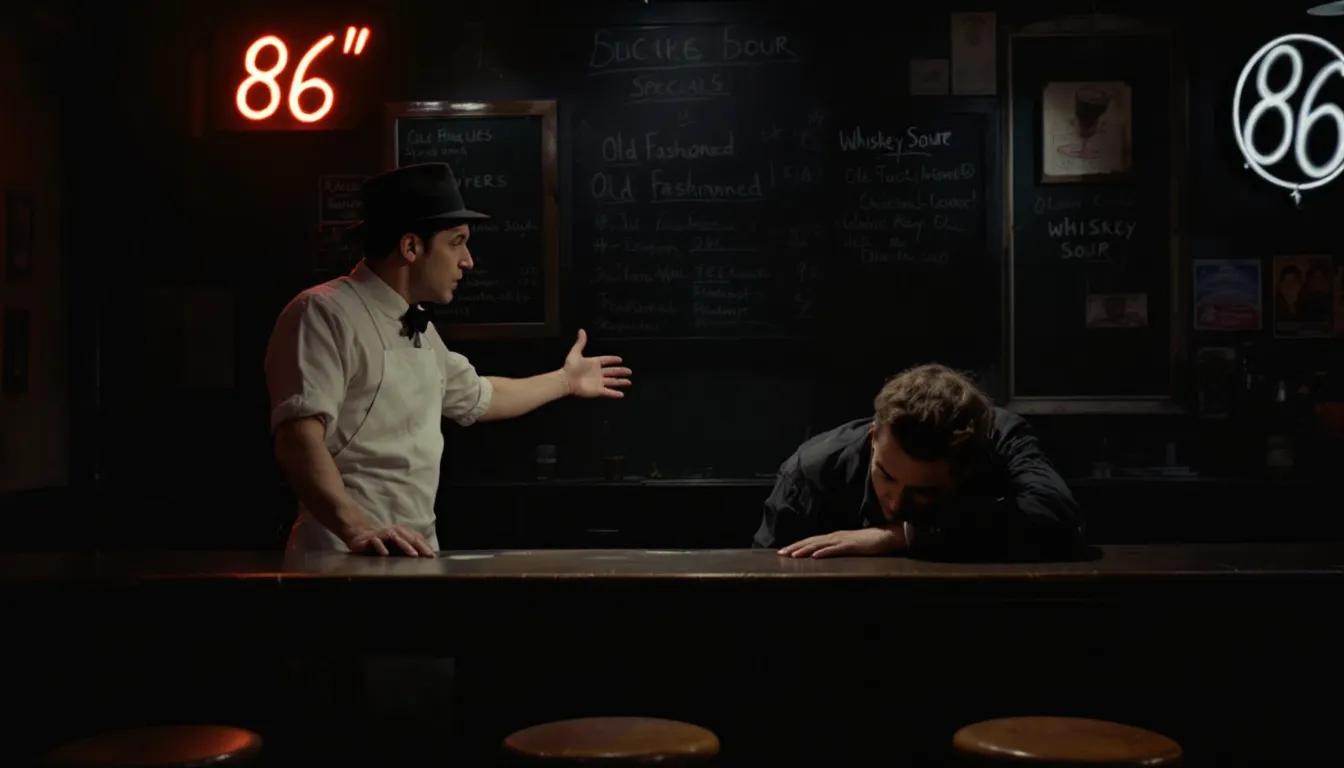
One of the most popular theories about the origin of “86” ties it to the Prohibition era of the 1920s. During this time, secret bars known as speakeasies operated illegally, serving alcohol behind closed doors. To avoid trouble with law enforcement, bartenders developed coded language to discreetly communicate. When a drink got out of hand, or a customer became too intoxicated, bartenders would signal to “86” them—meaning they needed to be removed quickly. This could also apply to running out of specific alcohol brands, making it an early form of restaurant lingo. Over time, this phrase spread beyond speakeasies, becoming widely used in the restaurant industry, especially in cases where businesses had to refuse service to problematic patrons.
B. Chumley’s Bar in New York Theory
Another famous theory links the phrase “86” to Chumley’s, a historic bar located at 86 Bedford Street in New York City. This bar had an unusual layout, with a front entrance and a discreet back exit. Whenever police raids occurred—or when the owners wanted to discreetly remove an upset customer—they would direct them through the back door at 86 Bedford Street. Over time, restaurant employees and bar staff started using “86” as shorthand for kicking someone out.
C. Military Code Theory
Some believe the term “86” comes from World War II military slang, where it was used to mean “eliminate” or “get rid of.” Military personnel might use “86” when ordering the disposal of equipment or even when referring to removing a soldier from duty. As many veterans entered the restaurant industry after the war, they likely brought this terminology with them. In a busy restaurant menu setting, where speed and efficiency are crucial, adopting military-style shorthand made communication quicker.
D. Diner & Restaurant Lingo Theory
The most widely accepted theory ties “86” to early diners and soda fountains in the early 20th century. Before digital menus, waitstaff and kitchen staff relied on restaurant lingo to streamline orders. If a popular dish ran out, the chef would yell “86 it!”, signaling that it should be removed from the restaurant menu. This system helped avoid confusion and ensured waitstaff didn’t take orders for unavailable items. Some also believe soda fountain lingo influenced this term, as soda jerks used a numeric system to indicate different food and drink statuses.
How Restaurants Use ‘86’ Today
1. Kitchen Staff Communication
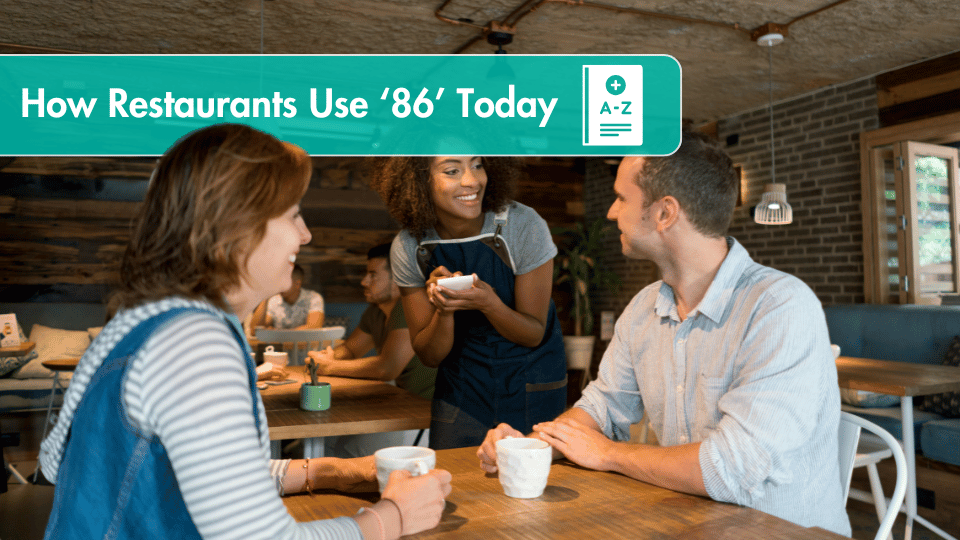
When a menu item becomes unavailable—be it a popular steak dish or a seasonal panzanella salad—the kitchen announces “86” to inform everyone. This prevents restaurant employees from taking orders for items that can’t be served, thus avoiding delays and disappointed guests. Such clear restaurant lingo ensures smooth operations.For example, if a guest requests a drink and the bar lacks a key ingredient, using “86” immediately indicates its unavailability. This quick communication maintains a seamless dining experience and prevents upset customers from disrupting the atmosphere.
2. Customer Service
If a guest becomes overly aggressive, argumentative, or intoxicated, staff may need to refuse service to maintain a safe environment. For instance, if drunken patrons cause issues, the manager might discreetly instruct the staff to “86” that guest. This means they should stop serving them alcohol or ask them to leave if their behavior persists.While high-end venues might handle this discreetly, local bars or clubs might have security enforce it. The aim is to protect other customers and employees, much like the old stories of 86 Bedford Street, where people were quietly shown the exit.
3. Technology Influence
With advancements in technology, restaurants no longer rely solely on shouting “86” across the kitchen. Today, many Point of Sale (POS) systems include an “86” function that allows managers to instantly update the menu when an item is unavailable. This prevents miscommunication, ensures guests aren’t ordering unavailable dishes, and aids in inventory management.
The Expansion of ‘86’ Beyond Restaurants
The term “eighty six” originated in the restaurant industry but quickly spread beyond. Over time, it has been adopted in bars, nightclubs, business language, and even pop culture. From removing an unavailable dish from a menu to cutting off a rowdy cowboy’s drink, the meaning has evolved. Today, “86” is commonly used to refuse service, cancel plans, or remove something entirely. It has appeared in movies, music, and everyday speech, proving that this simple restaurant term has a lasting impact. Its usage reflects the adaptability and enduring nature of the hospitality industry’s unique lingo.
How KNOW Can Enhance Restaurant Efficiency
KNOW offers a digital solution that streamlines restaurant processes, reduces manual tasks, and ensures seamless day-to-day operations. By digitizing essential tasks, KNOW helps restaurant employees communicate effectively, much like the restaurant lingo of old, ensuring that nothing is overlooked and operations run smoothly.With KNOW, restaurants can optimize their workflows, maintain compliance, and manage their workforce efficiently, all while enhancing the dining experience and preventing the need for frequent "86" situations.
1. Streamlined Task & Checklist Management
Simplify kitchen handovers, opening and closing procedures, and compliance tasks. This reduces human error and maintains service standards, with management monitoring task completion in real-time.
2. Enhanced Food Safety & Hygiene Tracking
Automating compliance checks and regular hygiene audits ensures adherence to health regulations. Digital monitoring of food and equipment temperatures maintains cleanliness and safety.
3. Efficient Employee Training & Onboarding
Mobile learning modules and SOP guides provide essential skills efficiently. This reduces onboarding time and equips staff with necessary operational knowledge.
4. Simplified Audit & Compliance Management
Digital audits for pest control, fire safety, and equipment maintenance ensure regulatory compliance and operational safety, quickly addressing potential issues.
5. Optimized Scheduling & Attendance Management
Automated shift planning and mobile check-ins streamline workforce management, reducing conflicts and ensuring adequate staffing during peak hours.
6. Real-Time Performance Monitoring
Instant insights into task completion and operational trends help identify inefficiencies and improve workflow, ensuring smooth restaurant operations.With KNOW, restaurants enhance productivity, compliance, and management efficiency.[maxbutton id="1" url="https://www.getknowapp.com/get-started" text="Book a Free Demo" ]
FAQs
1. What does 86 mean in a restaurant?
In the restaurant industry, "86" means a menu item is unavailable or a customer needs to leave. For example, if a steak is out of stock, the kitchen will say, "86 the steak," to inform the staff not to offer it. Similarly, if a patron is disruptive, they may be "86-ed," meaning they should exit the premises.
2. Why do restaurants say 86?
"86" is part of traditional restaurant lingo for quick communication. It helps refuse service, remove a dish, or handle unruly customers efficiently, ensuring smooth operations and a pleasant dining experience.
3. Where did the term 86 originate?
The origins of "86" are unclear, with theories linking it to Prohibition-era speakeasies, Chumley's bar at 86 Bedford Street in NYC, military shorthand, or soda fountain lingo.
4. Is 86 used outside restaurants?
Yes, "86" is used in bars, business, and pop culture to mean canceling or removing something. For instance, in a meeting, saying "Let's 86 that idea" means to discard it.
5. How does technology help with 86 in restaurants?
POS systems enhance "86" efficiency by updating menus in real-time when an item is unavailable, reducing miscommunication and ensuring that customers are not disappointed by ordering something that can't be served. This digital approach helps maintain inventory accuracy and streamlines the workflow, allowing restaurant employees to focus on providing excellent service without the need for constant verbal updates. Additionally, it aids in managing stock levels and prevents unnecessary waste, ultimately contributing to a more efficient and customer-friendly dining experience.
Enjoying this article?
Ready to streamline your operations?

Related Articles

Bar Staff Training: A Complete Guide to Building a Skilled, Confident Team


.png)
How to Create Interactive Training Modules: A Practical Guide for Restaurants
.png)

Preventing Employee Burnout in Restaurants: Causes, Signs & Solutions