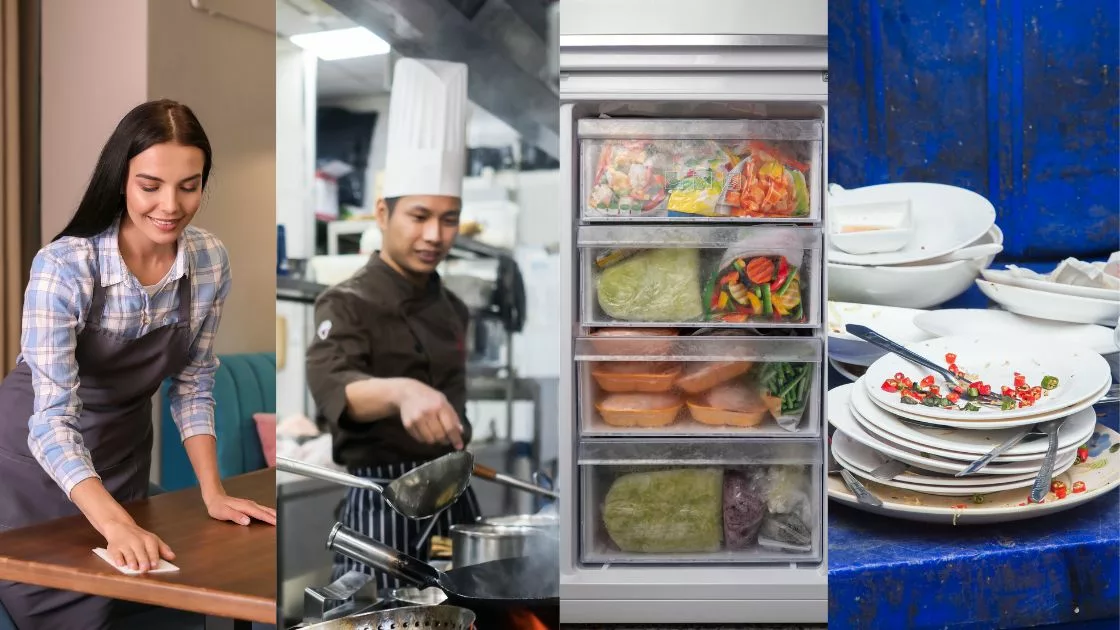
The 4 Cs of Food Safety: Clean, Cook, Chill, Cross-Contaminate
As a food business, it's important to ensure that you are following food safety regulations at all times. To help with this, we've put together everything you need to know about the 4 Cs of food safety: Clean, Cook, Chill, and Cross-Contaminate.Each of these steps is important in preventing food poisoning and ensuring that your food is safe to eat.
What Are the 4 Cs of Food Safety?
- Clean
- The first C is clean. This means you need to clean your hands, utensils, and surfaces often. Wash your hands for 20 seconds with soap and water when handling food. Wash cutting boards, dishes, and countertops with hot soapy water. Use a separate cutting board, especially for raw meat, poultry, and seafood.
- Cook
- Cooking food properly is one of the most important steps in food safety. Make sure to cook food to the proper temperature, and use a food thermometer to check for doneness.
- Chill
- Bacteria can grow quickly in food that is not properly refrigerated. Keep food cold by refrigerating it within 2 hours of cooking. Put leftovers in the fridge within 2 hours as well.
- Cross-Contaminate
- It is simple for bacteria to transfer from one food to another. To prevent this, always keep raw and cooked foods separate, and use different cutting boards and knives for each. Keep these foods separate from each other and other food in your grocery shopping, kitchen, and plate.
One way to ensure that you are cooking food safely is to use a cooking temperature chart. This chart will tell you how long to cook food at different temperatures. This way, you can be sure that your food is cooked all the way through and is safe to eat.By following these simple guidelines, you can help keep your food business safe and compliant with food safety regulations.
Why Is Food Safety Important?
Food safety is extremely important, both in terms of the health of your customers and the safety of your employees. When you follow the 4 Cs of food safety—Clean, Cook, Chill, Cross-Contaminate—you're minimizing the risk of food poisoning for everyone involved.So why is food safety so important? It's simple: when you don't follow safe food handling practices, you're putting your customers and your employees at risk. Not to mention, you could be risking your business as well. Food poisoning outbreaks can make national headlines, and no business wants that kind of attention.
What Are Some Food Safety Hazards?
Many potential food safety hazards can occur during the growing, harvesting, storage, transportation, and preparation of food. Biological hazards are the most common type of food safety hazard. Bacteria are the primary cause of foodborne illness, with viruses and parasites causing a smaller number of illnesses. The symptoms of foodborne illness can range from mild gastrointestinal upset to life-threatening conditions such as dehydration, sepsis, and meningitis.The best way to prevent foodborne illness is to practice food safety at all stages of food handling, from growing and harvesting to storage, transport, and preparation. For example, say your staff is chopping up some vegetables on the kitchen counter. they've just finished washing their hands, but don't dry them properly and then go to touch the salad bowl, contaminating the salad with bacteria from their hands.That's why it's so important to always clean kitchen counters and knives properly and always wash hands thoroughly. It might take a few extra seconds, but it's worth it, in the end, to keep your customers safe from foodborne illnesses.
What Are Some Good Food Hygiene Practices?
Now that you know the 4 Cs of food safety, let's look at some good food hygiene practices that you can follow in your kitchen.
- Let's start with cleaning. Ensure your culinary team members are cleaning their work areas, tools, and cutlery before they begin preparing food. And don't let them forget to wash their hands!
- Cook your food properly. Be sure to cook your food thoroughly -- your culinary team can use a food thermometer to check the temperature.
- Finally, be sure to chill your food properly. This is especially important for leftovers. Refrigerate them within two hours of cooking and consume them within four days.
- Avoid cross-contamination. Cutting boards and utensils can harbor harmful bacteria. To avoid contamination, use separate ones for raw meat and produce.

Importance of Following the 4 C's of food safety
The 4 Cs of food safety are critical in preventing foodborne illness. Cleanliness is essential in preventing contamination. Cooking food properly kills harmful bacteria. Chilling food properly prevents the growth of bacteria. When food contacts contaminated surfaces, cross-contamination can happen.Following the 4 Cs of food and safety is the best way to prevent foodborne illness. By keeping food clean, cooking it properly, chilling it properly, and avoiding cross-contamination, you can keep your employees and customers safe from harmful bacteria.
Monitoring the 4 C's of Food Safety with KNOW
You can never be too cautious when it comes to food safety. That's why it's so important to follow the 4 Cs: Clean, Cook, Chill, and Cross-Contaminate.But keeping track of all these steps can be a challenge, especially when you're busy in the kitchen. That's where KNOW comes in. With KNOW's food safety and compliance tools, you can generate reports instantly and stay compliant with all the latest regulations. No more double-checking paper-based checklists! Eliminate human errors from food safety compliance checks and documentation.So why choose KNOW? Because when it comes to food safety, you can never be too careful.

Enjoying this article?
Ready to streamline your operations?

Related Articles

Bar Staff Training: A Complete Guide to Building a Skilled, Confident Team


.png)
How to Create Interactive Training Modules: A Practical Guide for Restaurants
.png)

Preventing Employee Burnout in Restaurants: Causes, Signs & Solutions