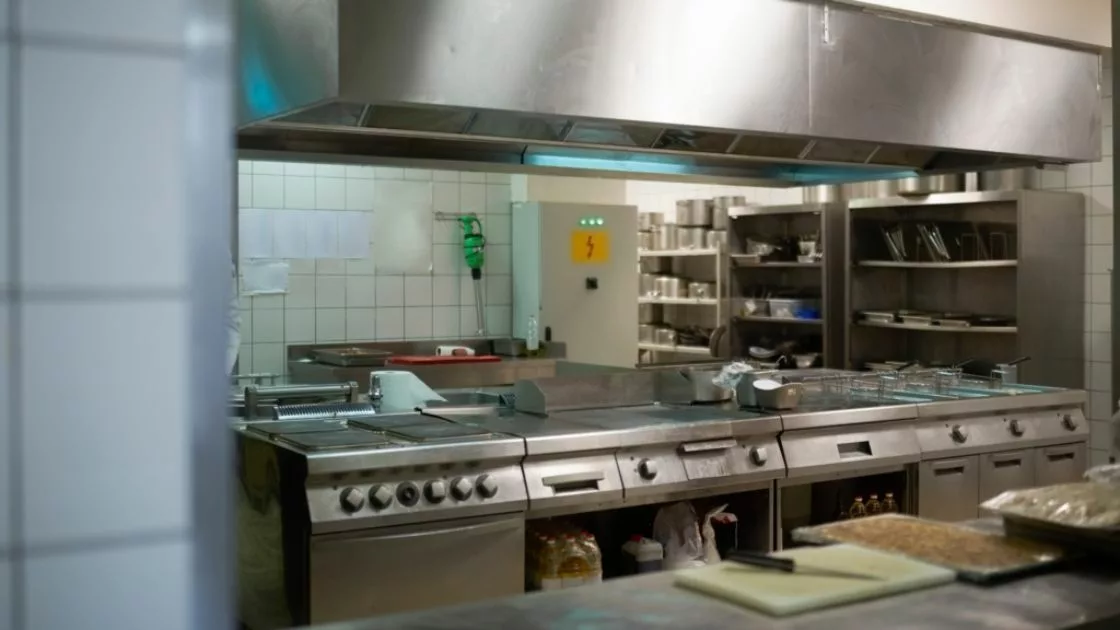
The Temperature Danger Zone: Why restaurants need to be careful?
What is the temperature danger zone in kitchen?
The Temperature Danger Zone for food is the range of temperatures between 40°F and 140°F in which bacteria can grow rapidly. This range of temperatures is often called the "Danger Zone." Bacteria grow quickly in the Danger Zone. In as little as two hours, bacteria can multiply to dangerous levels if food is not properly cooked or refrigerated.
Why is it important for restaurants to be aware of the temperature danger zone?
Bacteria can grow to unhealthy levels in meals that are permitted to enter the temperature danger zone, causing the food to deteriorate when placed outside of the foodtemp danger zone. This type of dangerous bacteria growth can develop without any visible signs that the food is unsuitable for consumption. Foods may smell and appear normal, yet they may contain hazardous bacteria that cause foodborne illness.Restaurants need to be aware of the danger zone and take steps to keep food out of it. This includes keeping hot food hot and cold food cold. It also means ensuring that food is cooked properly and cooled quickly if it needs to be reheated.While it is important to keep all food out of the temperature danger zone, it is especially important to pay attention to potentially hazardous foods. These are foods that are high in protein, such as meat, poultry, fish, eggs, and dairy products. Bacteria can multiply quickly on these foods and cause food poisoning.It is your obligation as a food service professional to keep foods out of the danger zone by utilizing permitted techniques to refrigerate, heat, and store foods.Additionally, being aware of the danger zone for food temperature ensures you comply with state regulations for food and health inspection. Adhering to the temperature danger zone Celsius is critical to maintaining food safety.
What happens if the food stays in the danger zone?
If food is left out at room temperature for an extended period of time, bacteria (such as Staphylococcus aureus, Salmonella Enteritidis, Escherichia coli O157:H7, and Campylobacter) can multiply to hazardous levels. Food loses its quality and freshness if it is left out at room temperature for an extended period of time. If food is not properly cooked or stored, you run the risk of eating food contaminated with dangerous germs. You may become ill if you consume food infected with harmful microorganisms. Among the most typical foodborne illnesses are those caused by E. coli, Listeria, and Salmonella.It is important to remember that the danger zone is a range of temperatures in which bacteria can grow rapidly. By taking some simple steps, you can reduce the risks associated with the temperature danger zone.
Temperature danger zone chart

How to reduce the risks of the temperature danger zone for food?
There are a few simple steps you can take to reduce the risks associated with the temperature danger zone. First, keep hot food hot and cold food cold. This means that you should avoid letting food sit out at room temperature for too long. Second, cook food thoroughly. This will kill any bacteria that may be present. Finally, avoid cross-contamination. This means keeping raw food and cooked food separate to prevent bacteria from spreading.The best way to keep food from going bad is to keep it out of the temperature danger zone. This can be done by cooking it properly, storing it in a cool place, and reheating it if necessary. Two of the most effective ways to keep food out of the temperature danger zone are hot-holding foods and refrigerated food temperature storage.Hot-holding foods is the process of keeping food at a safe temperature above 140°F. This can be done by using a steam table, oven, warming tray, or slow cooker.Refrigerated food temperature storage is another great way to keep food out of the temperature danger zone. Refrigerators should be set to 40°F or below and checked regularly with a food thermometer. Freezers should be set to 0°F.By following these simple tips, restaurant owners and managers can ensure that their food safety practices are up to par. By keeping food out of the Temperature Danger Zone, they can help prevent the growth of dangerous bacteria and keep their customers safe.
Here are some tips to help with safe cooking and storage of food:
- Maintain the temperature of hot food. Hot food should be kept at or above 140°F (60°C).
- Cold food should be kept at or below 40°F (4°C).
- Take special care with leftovers. Refrigerate leftovers within 2 hours of cooking at 40°F (4°C).
- Safely reheat. Before consuming, reheat food to an internal temperature of 165°F (73.8°C), or until hot and steaming.
- Keep track of storage temperatures. Keep your refrigerator and freezer at temperatures of 40°F (4.4°C) or below and 0°F (-17.7°C), respectively.
- Use only tightly sealed containers. Choose sealed glass or plastic storage containers.
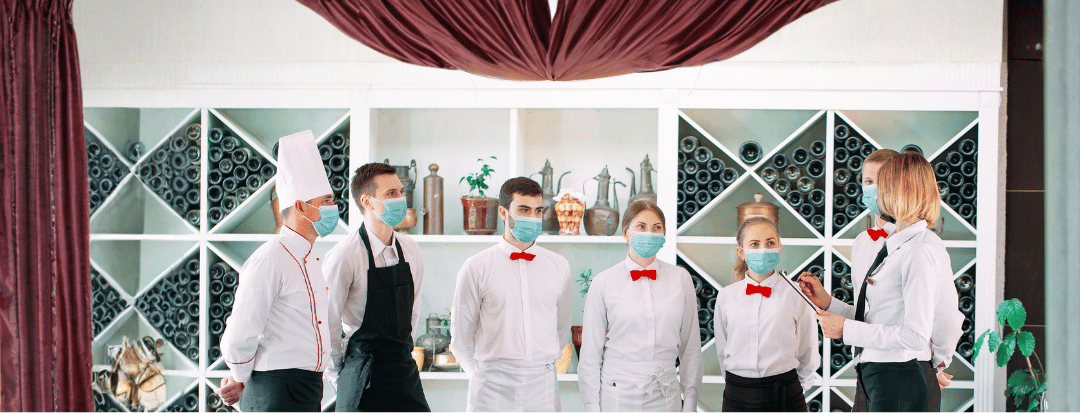
- Train employees to manage temperature danger zone
The bottom line
While it is possible to monitor temperature danger zone manually, using a food safety management system can help to automate such processes and make it easier to track. An app like KNOW can help ensure that your restaurant is always in compliance with food safety regulations.With KNOW, you can easily keep track of all your food safety checklist items, get alerted when something needs to be done, report issues in real-time and so much more. So why take the risk when it comes to food safety? Get KNOW App and give yourself some peace of mind.
Enjoying this article?
Ready to streamline your operations?

Related Articles
Bar Staff Training: A Complete Guide to Building a Skilled, Confident Team

.png)
How to Create Interactive Training Modules: A Practical Guide for Restaurants
.png)
Preventing Employee Burnout in Restaurants: Causes, Signs & Solutions