
.png)
What Is Restaurant Loss Prevention—and Why It Matters
Restaurant loss prevention is the set of systems and controls that stop avoidable losses from spoilage, over-ordering, portioning errors, cash mishandling, void abuse, and employee theft. In a business where small losses add up fast, it is not a nice-to-have; it is essential to protecting revenue, staff morale, and long-term viability, whether you run one location or a growing multi-unit brand.
This guide covers the key threats to restaurant profitability, offers a loss prevention checklist, and walks through how to implement practical controls, from training and checklists to digital systems and audits, so you leave with a clear framework to protect profits and run tighter operations.
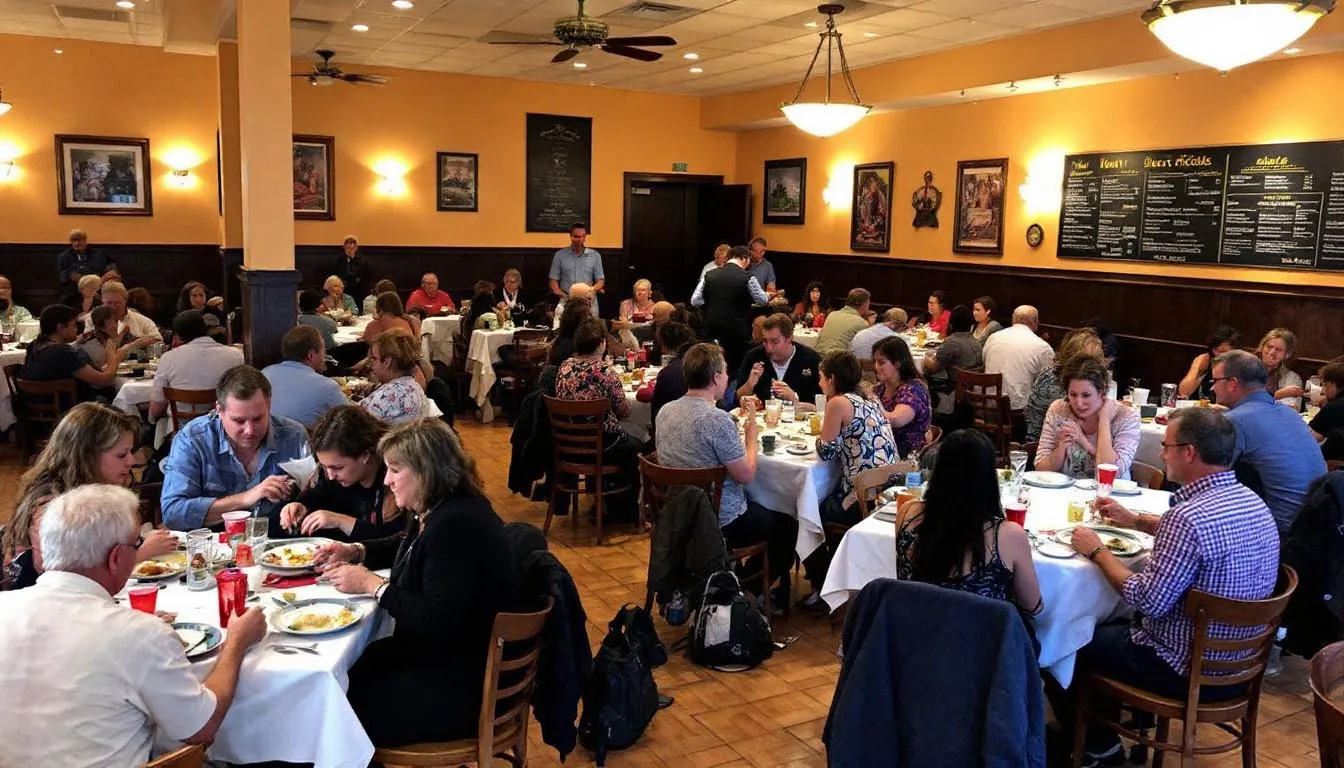
Common Sources of Restaurant Loss
Even well-run restaurants experience shrinkage, often ranging from 6% to 15% annually, and most of it hides in plain sight through everyday operational gaps, overlooked behaviors, and manual systems. Understanding where losses occur is the first step to stopping them.
Food waste and spoilage
Food waste is among the most visible forms of loss, but without strict tracking the patterns behind it go unnoticed. Over-ordering perishables that are not tied to sales forecasts leaves dairy, seafood, and produce expiring before use, inaccurate prep lists lead to bulk batches discarded at the end of the day, and staff measuring by eye rather than with scales overuse proteins, cheeses, and sauces. These errors drive up food cost percentages and hurt plate consistency.
Operational waste
Everyday operational losses are easy to overlook because they look routine, but compounded daily, they hit margins. Bartenders without jiggers or pour-control spouts over-pour during peak hours, untracked free garnishes, toast, and sides add up, and failing to log fridge and freezer temperatures or follow FIFO rotation increases spoilage. This waste rarely shows up in sales reports yet steadily raises food costs.
Transaction and cash handling losses
Cash-based fraud is one of the most damaging and hardest-to-detect forms of shrinkage without a structured system. Frequent post-check voids or manager comps without clear notes suggest manipulation, cash miscounts during payments or drawer closeouts may be accidental or deliberate, and fake refunds let staff pocket money when there is no audit trail. Even minor daily losses of $20 or $50 accumulate into thousands over months.
Employee theft and fraud
Dishonest behavior is not always outright theft; it can be subtle misuse of systems, discounts, or assets. Staff may skim food or small cash sales, give unauthorized discounts or create duplicate checks to confuse oversight, and take to-go containers, cleaning supplies, or bulk food from unsecured storage. Insider theft erodes team trust and is hard to confront without documentation, which is why policy and surveillance matter.
Vendor or delivery-related loss
Even with reliable suppliers, delivery and invoice misalignments are a consistent risk without clear receiving protocols. Invoices may be padded with items that were never delivered, boxes marked delivered may never arrive during busy periods, and in some cases drivers manipulate signatures or deliver the wrong items to offload overstock. Unchecked, this directly affects COGS, inventory accuracy, and prep schedules.
The First Step: Total Visibility
Loss prevention does not start with discipline; it starts with visibility, so every dollar that leaves the business should be traceable. That means recording every transaction in the POS with time stamps and user ID, logging every delivery with matched invoices and item checks, assigning responsibility for daily inventory spots and fridge checks, monitoring refund and void activity in real time, and keeping a detailed waste log per station and shift. Restaurants that invest in this detail are better protected from theft and better positioned to reduce food cost percentages.
How to Build a Restaurant Loss Prevention Strategy That Works
A structured strategy protects profitability and creates a culture of accountability that prevents theft before it happens. These eight elements make it work.
Codify expectations in the employee handbook
Your handbook is the foundation of the program, defining acceptable behavior and specific violations around cash handling, food waste, voids, discounts, and unauthorized access. Document cash handling procedures for refunds, comps, and drawer closeouts, define theft and fraud from shortchanging guests to skimming tips, and set guidelines for how and when surveillance is reviewed. Clarity helps staff understand not just what is allowed but why it matters.
Build and use a loss prevention checklist
Checklists keep loss prevention consistent across shifts, locations, and teams rather than left to memory.
Assign checklist responsibilities to designated managers or kitchen leads and log completion digitally for accountability.
Conduct targeted loss prevention training
Training works best when tied to daily operations, not generic lectures. Train employees on real-time fraud scenarios like void scams or fake delivery claims, use real or mock video footage to highlight gaps in procedure, teach staff to spot vendor fraud like shorted deliveries, and cover camera protocols and POS alerts. Regular refreshers reinforce learning and address new vulnerabilities.
Leverage digital systems and modern tools
Digital systems are central to loss prevention, and a POS should do more than track sales. Use POS alerts for frequent voids, suspicious discounts, or large comps tied to one user, integrate cameras with POS data to verify transactions, enable real-time monitoring of inventory and cash flow, and compare food served against theoretical usage to track waste. These tools also reduce human error and create transparent reporting.
Perform routine audits and regular reviews
Regular audits create pressure for compliance and catch early signs of loss. Run random cash register audits comparing recorded and actual totals, review surveillance for blind spots or suspicious behavior during shift changes, run weekly reviews of frequent voids and refunds, and compare delivery invoices with inventory received. Tie audit results back to training to correct procedures and reduce temptation.
Implement layered security measures
Security should cover both physical and digital access. Lock storage rooms, liquor cabinets, and delivery doors outside service hours, restrict register override functions to verified managers, require unique PINs for all POS logins, and use alarms and cameras at prep stations, back exits, and cash drawers. Limiting access and tracking activity both discourages theft and helps identify who is responsible when issues arise.
Follow clear disciplinary procedures
A transparent approach to consequences reinforces the strategy. Outline the repercussions for each violation, from a verbal warning to termination, track incidents in staff records to monitor repeat offenses, and explain the procedures during onboarding and in the handbook. When employees know consequences are consistent, they are more likely to comply.
Reinforce culture and communication
Loss prevention is about awareness and mutual responsibility, not fear. Include team leads in identifying weak points and proposing fixes, use monthly meetings to recognize staff who improve waste tracking or catch errors, and make training part of a broader culture of professionalism. When prevention becomes part of how the restaurant operates, morale improves and the guest experience stays protected. The goal is not to monitor staff at every turn but to set up prevention that works quietly in the background and activates when necessary.
10-Point Restaurant Loss Prevention Checklist
Once checked, each item should be documented and addressed, since missing it once tends to mean missing it always.
How KNOW Supports Restaurant Loss Prevention
KNOW helps operators establish control by digitizing key processes, tracking accountability, and improving real-time visibility across operations.
Digital checklists for daily loss prevention
KNOW replaces paper SOPs with digital checklists so every shift follows the right steps, from cash handling procedures to closing inventory counts, with each task logged, time-stamped, and tracked to reduce the human error and undocumented deviations that drive shrinkage.
Real-time monitoring of critical tasks
Managers can see whether key procedures are completed on time, like cold storage temperature checks, alcohol inventory logs, or delivery inspections, which helps prevent spoilage, waste, and vendor fraud before they hit the bottom line.
Role-based access and accountability
Assign specific tasks to designated staff and track completion through user logins, helping owners monitor performance, flag suspicious activity, and reduce the opportunity for theft in storage rooms, registers, or back-of-house areas.
Automated audits and historical logs
KNOW makes it easy to run regular audits across locations covering food costs, cash flow, voided transactions, and wastage, storing all data securely so managers can spot fraud patterns or inconsistencies over time.
Employee training and SOP reinforcement
Upload training modules, loss prevention policies, and safety protocols, schedule refreshers, and use automated reminders to reinforce practices around inventory management, refunds, and high-risk cash handling.
Faster issue escalation and resolution
Whether a missing delivery, a miscounted drawer, or a faulty camera, KNOW's mobile-first system lets staff flag issues instantly and managers act before minor lapses become major losses.
With KNOW, restaurants get a centralized system that supports prevention rather than just reactive controls, building a culture of efficiency, transparency, and accountability that turns everyday staff into active participants in protecting profitability. Book a free demo to protect profits and streamline compliance.
Final Thoughts
Restaurant loss prevention is integral to profitability, sustainability, and growth. It requires clear systems from prep to cashier, digital tools for real-time monitoring, ongoing training and accountability, balanced discipline paired with recognition, and continuous audits to stay ahead.
A strong program directly reduces food costs, fraud, and errors while protecting cash flow and staff culture. Build it once, refine it often, and it becomes part of how you run a leaner, smarter restaurant business. Book a free demo to put the systems in place.
Frequently Asked Questions
1. What is restaurant loss prevention, and why is it critical?
Restaurant loss prevention is a structured set of methods to stop avoidable losses in food costs, cash flow, and inventory shrinkage. By combining clear cash handling procedures, inventory controls, and security systems, restaurants protect profitability and maintain efficiency in a highly competitive industry.
2. What items belong on a restaurant loss prevention checklist?
A comprehensive checklist covers daily cash register reconciliations, FIFO rotation and expiration checks, storage room access logs, surveillance camera status, and vendor invoice audits. Including these routine tasks keeps staff accountable and helps managers flag suspicious activity early.
3. How do digital POS systems help reduce employee theft at cash registers?
Modern POS systems provide real-time monitoring of voids, discounts, and refunds, alerting managers to unusual patterns. Linking POS data to surveillance cameras creates an effective strategy that discourages cash handling manipulation and speeds investigation.
4. Which cash handling procedures protect cash flow the most?
Segregating duties, requiring dual sign-off for bank deposits, and counting drawers in a locked office are essential. These steps reduce temptation, prevent theft, and create verifiable records that match daily operations to actual cash on hand.
5. How can inventory management software lower food costs and food waste?
Inventory tools track theoretical versus actual usage, flag over-ordering, and generate waste reduction reports. Analyzing variances lets owners adjust par levels, improve portion control, and cut food wasted, leading to more effective loss prevention.
6. What security measures work best against restaurant theft and vendor fraud?
Layered measures, including surveillance over high-risk zones, alarms on back doors, and restricted key access to storage, deter internal and external theft. Combined with vendor delivery audits and digital invoice checks, they close loopholes that indicate theft or shorted shipments.
7. How often should loss prevention training be scheduled?
Training should happen at onboarding and through quarterly refreshers. Teaching fraud patterns, proper cash handling, and the consequences of violations reinforces policy and ensures employees understand their role in protecting profitability.
8. What common restaurant fraud patterns should managers watch for?
Fraud often appears as frequent voids without manager approval, discounts well above policy, or vendor invoices that do not match received goods. Monitoring these with digital systems and regular audits lets operators catch problems before they escalate.
9. How can restaurant owners monitor employee performance without harming morale?
Use transparent metrics like void ratios, waste logs, and on-time checklist completion, paired with positive reinforcement that rewards staff who follow loss prevention efforts. This safeguards cash flow while maintaining morale.
10. How does a loss prevention program leverage technology to stay effective?
An effective program integrates POS systems, surveillance, and digital checklists, enabling real-time monitoring, quicker response to suspicious behavior, and data-driven adjustments that improve prevention and protect the guest experience.
Enjoying this article?
Ready to streamline your operations?

Related Articles

Bar Staff Training: A Complete Guide to Building a Skilled, Confident Team


.png)
How to Create Interactive Training Modules: A Practical Guide for Restaurants
.png)

Preventing Employee Burnout in Restaurants: Causes, Signs & Solutions