
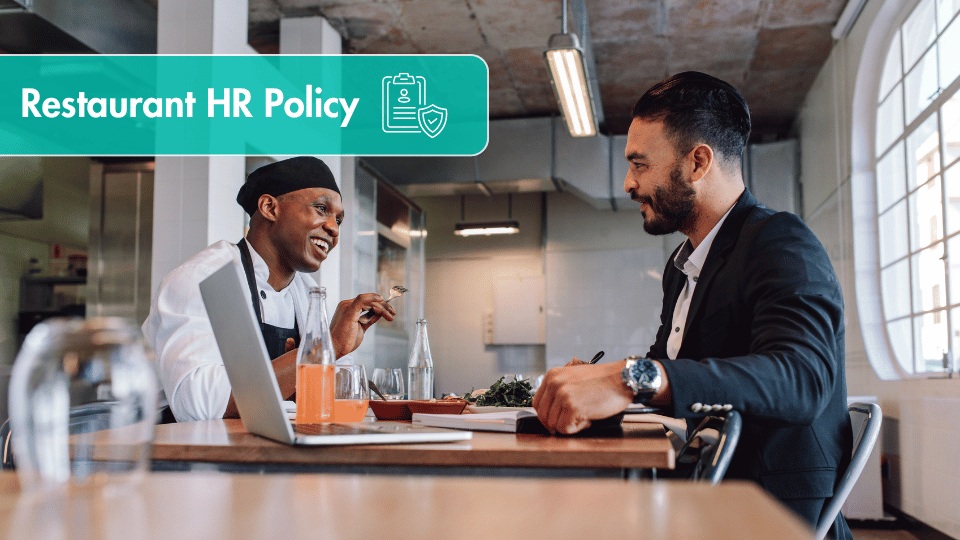
10 Restaurant HR Policies That Actually Boost Morale and Team Performance
Restaurant HR policies are the written rules and procedures that govern how you hire, train, schedule, pay, and support your staff. The strongest ones cover clear expectations, structured training, fair reviews, open communication, recognition, health and safety, transparent scheduling, inclusive hiring, progressive discipline, and tech-enabled operations. Together they keep you compliant and build a team that shows up and performs.
Running a restaurant today is not just about food quality or fast service; it is about building a team that wants to be there. If you already operate a restaurant, you have felt the cost of disengaged staff in turnover, training gaps, compliance issues, and customer complaints. The right policies flip that script, raising morale, retention, and service standards, whether you manage one high-volume kitchen or scale across many locations.
1. Clear and Accessible HR Policies
Clarity is the foundation of accountability. When your team knows exactly what is expected, they are far more likely to meet and exceed those expectations, which lifts satisfaction across the board. A clear, readable employee handbook should carry all of it in your restaurant's own tone rather than dense legal text.
At a minimum, the handbook should include:
- Code of conduct and dress code.
- Attendance and punctuality guidelines.
- Anti-discrimination and harassment policies.
- Safety protocols and reporting channels.
- Procedures for leave, complaints, and disciplinary action.
Make sure every new hire receives and signs the handbook during onboarding, and update it regularly to reflect changes in labor laws, business priorities, and industry trends.
2. Structured Training and Development
Training is not a one-time task; it is a continuous process that shapes everything from food safety to team morale. The most effective programs combine onboarding for new employees, role-specific SOPs and microlearning modules, ongoing training on hospitality, compliance, and menu changes, and clear upskilling paths with mentorship.
Investing in employee training helps staff understand their roles, improves consistency, reduces costly errors, and lifts satisfaction. It is also one of the fastest ways to raise customer satisfaction, since a confident team delivers a better experience.
3. Fair and Frequent Performance Reviews
Effective performance management creates a culture of growth, not fear. That means running reviews regularly rather than once a year, grounding them in objective, behavior-based metrics, and making feedback a two-way conversation with clear opportunities to improve. Linking performance to recognition or benefits reinforces the behaviors you want.
Use constructive feedback to coach, not just critique. Done well, reviews help you retain top talent and spot your future leaders early.
4. Open Communication Channels
Open communication builds trust, and in a high-pressure restaurant environment, trust is everything. Encourage it through monthly one-on-ones or check-ins, digital suggestion boxes or anonymous surveys, and team huddles or pre-shift meetings that give everyone a moment to speak.
Let your team know their voices matter so they share freely. When restaurant employees see their input lead to real change, engagement climbs sharply.
5. Recognition and Rewards Programs
A simple thank you goes a long way, and a structured recognition program goes further still. Practical options include weekly shoutouts or MVP awards, incentives tied to guest feedback, and spot bonuses or perks connected to team goals.
Recognition builds morale and reduces turnover while reinforcing your restaurant's values. It costs little and pays back in loyalty and consistency.
6. Health, Safety, and Wellness Culture
Every restaurant HR policy should treat workplace safety and employee wellbeing, both physical and mental, as a top priority. In a fast-paced environment, that means building a genuine culture of care rather than a checklist. The strongest health and wellness policies rest on a few pillars:
- Enforced health and safety protocols, including handwashing, PPE, fire exits, and emergency drills.
- Clear guidelines aligned with safety regulations and industry best practices.
- Access to wellness resources such as mental health support, hydration reminders, and healthy shift meals.
- Mandatory rest breaks and workload management to reduce burnout.
Supporting well-being does more than lift morale; it produces better focus, fewer absences, and higher customer satisfaction. A safe, supported team simply delivers better service.
7. Transparent Scheduling and Time-Off Management
Few things frustrate restaurant teams more than unpredictable or last-minute scheduling, which fuels burnout, miscommunication, and turnover. A strong scheduling policy publishes schedules at least one to two weeks in advance, uses digital systems or time-tracking software for time-off requests and shift swaps, and documents clear coverage plans for sick days, emergencies, and vacations.
When employees feel some control over their schedules, trust grows, and the whole restaurant culture becomes healthier and more stable.
8. Inclusive Hiring and Diversity Practices
Diversity is not just a social initiative; it is a business strength, especially in hospitality, where teams are diverse and guest-facing by nature. Designed and maintained by a qualified HR manager, your hiring policies should use inclusive, accessible job postings, comply with EEO standards and accommodation needs such as religious head coverings and disabilities, provide equal access to benefits, training, and promotion, and undergo ongoing review for fairness and representation.
A diverse team communicates and collaborates better, connects more naturally with your customer base, and helps you attract and keep top talent.
9. Progressive Discipline and Conflict Resolution
Conflict is inevitable in a busy, high-stress environment, so your HR approach should give managers and staff a fair, transparent path to resolve it. A strong policy clearly defines code-of-conduct violations, outlines a consistent escalation from verbal warning to written warning to final notice, and provides safe, anonymous ways for employees to report issues. It should also stay compliant with the Fair Labor Standards Act, anti-retaliation rules, and other applicable federal laws.
This protects your team, reinforces accountability, and keeps the workplace safe and respectful even when tensions run high.
10. Tech-Enabled HR and Daily Operations
Outdated, paper-based HR processes slow teams down and create compliance risk, which does not work in fast-paced kitchens and multi-unit brands. KNOW solves this by putting powerful HR tools in the palm of your team's hands, so policies live where the work happens rather than in a binder. With KNOW, you can:
- Digitally manage scheduling, time-off requests, and shift changes.
- Assign and track employee handbooks and critical policy updates.
- Monitor policy acknowledgment for everything from pay policies to health and safety regulations.
- Prompt compliance with safety practices, such as reminding back-of-house staff to wear non-slip shoes.
- Maintain real-time visibility across one or many outlets, even in low-connectivity environments.
KNOW is more than HR software; it is a frontline operating system built for the realities of the restaurant industry.
Regular HR Audits and Policy Reviews
In the fast-moving restaurant industry, regular HR audits are essential rather than optional, because they keep your processes compliant, competitive, and aligned with evolving business goals. At a minimum, HR professionals should review employee handbooks and SOPs, disciplinary procedures and documentation practices, performance management frameworks, and onboarding and training programs.
These reviews help you stay ahead of labor-law changes, respond to industry trends, and keep policies aligned with both operational needs and brand values. They also surface insight into turnover patterns and shifting staffing needs, all of which matter when planning growth. Running structured reviews at least once or twice a year builds a stronger foundation for long-term success and smoother expansion.
Operational Insights for Scaling Smarter
As your restaurant grows, your human resource strategy has to scale with it, because strong policies are the infrastructure for consistent culture and performance. To future-proof your HR, tie employee training to your brand's unique selling proposition, use performance reviews to promote qualified people internally, and adopt benefits systems that flex with team size.
Plan staffing for new markets based on turnover and historical trends, and account for the startup costs tied to onboarding and technology rollout. Your HR playbook should evolve with your growth stage rather than stay stuck in the opening chapter.
How KNOW Helps You Operationalize Great HR
Even the most thoughtful restaurant HR policies fall flat if they are buried in binders or lost in group chats. KNOW brings them to life seamlessly, consistently, and at scale.
Digitize onboarding and employee training
No more paper checklists or missed steps. KNOW helps you build interactive, multilingual training journeys, so every new hire starts strong and aligned from day one.
Replace paper SOPs with smart task management
Opening and closing routines, food safety logs, and daily prep lists are digitized with time-stamps, media attachments, and manager visibility, so nothing slips through the cracks.
Push announcements and policy updates in real time
Need to flag a schedule change, safety hazard, or policy update? Send instant alerts with read tracking and escalation reminders so the message actually lands.
Track acknowledgments and compliance automatically
KNOW logs every acknowledgment, whether a revised handbook, a health and safety notice, or a new incentive policy, so you always have an audit trail ready.
Built for real-world restaurant environments
KNOW is lightweight, offline-friendly, and mobile-first. From high-volume QSRs to fine-dining concepts, it keeps restaurant employees aligned and protected, whether they are in the kitchen, on the floor, or on break.
HR Is Your Culture in Action
In the restaurant industry, human resources is not just a department; it is how your culture shows up on the floor every single shift. The way you onboard, train, recognize, and support your team sends a clear message about what you stand for and shapes your reputation.
Prioritize people, build structure, and follow through. That is how strong teams and lasting brands are built, and with the right tools, turning policy into daily practice becomes effortless. Book a demo with KNOW to see how top restaurants use smart tech to support their people, strengthen operations, and grow without the chaos.
Enjoying this article?
Ready to streamline your operations?

Related Articles

Bar Staff Training: A Complete Guide to Building a Skilled, Confident Team


.png)
How to Create Interactive Training Modules: A Practical Guide for Restaurants
.png)

Preventing Employee Burnout in Restaurants: Causes, Signs & Solutions