Restaurant freezer temperature - What are the ideal levels?
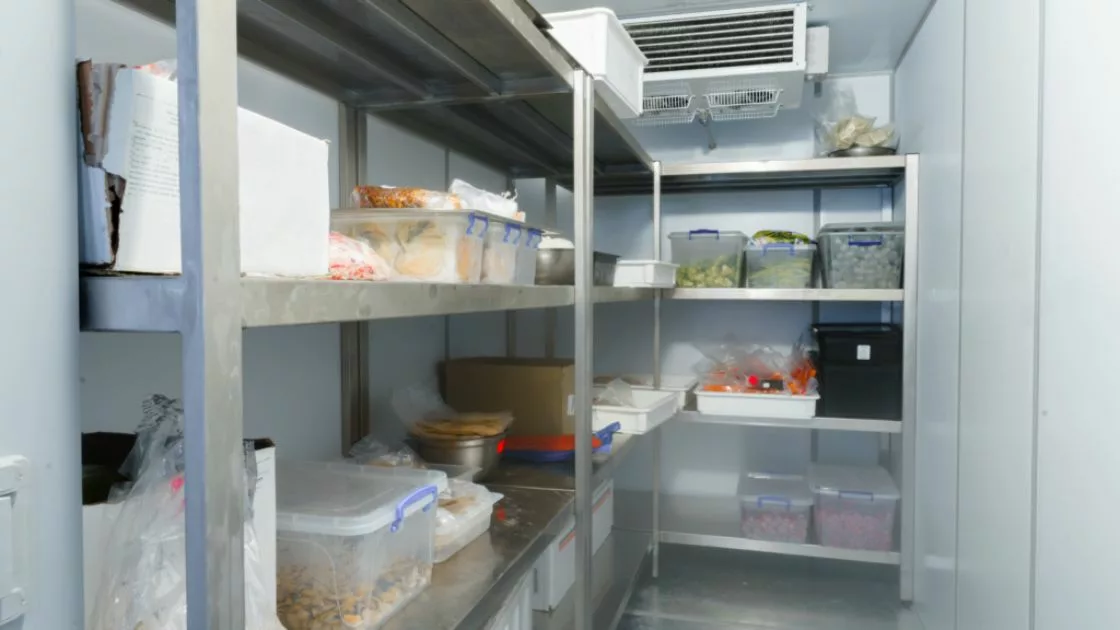
Freezers are a crucial part of any restaurant's kitchen. They help keep food fresher for longer and prevent it from spoiling. But what temperature should a freezer be in a restaurant? The perfect Restaurant freezer temperature varies depending on the type of food being stored.However, some general guidelines can help you ensure your freezer is set at the optimal temperature. In this blog post, we will explore the ideal kitchen freezer temperatures for different types of food, as well as some tips for maintaining proper freezer temperatures in your restaurant.
What Is the Ideal Restaurant Freezer Temperature?
For most types of food, the ideal temperature is between 0°F and -10°F. This range will keep your food frozen solid without the risk of it thawing and refreezing (which can cause freezer burn).If you're storing delicate items like ice cream or seafood, you may want to set your freezer slightly warmer, at around -5°F. This will prevent these items from getting too hard and losing their flavor.Whatever temperature you choose, it's important to keep an eye on your freezer thermometer and ensure that the temperature stays consistent. Fluctuating temperatures can cause your food to spoil more quickly.
Why Is It Important to Maintain This Temperature?
There are many dangers that come with not maintaining the correct freezer temperature in a restaurant. These dangers include:
- Foodborne illness – If food is not kept cold enough, bacteria can grow and cause food poisoning.
- Spoilage – If food is not kept cold enough, it will spoil and become inedible.
- Waste – If food spoils, it has to be thrown away, which is a waste of money.
Therefore, it is important to maintain the correct freezer temperature in a restaurant to avoid these dangers.
The Consequences of a Too-cold or Too-warm Freezer
If your restaurant's freezer is too cold, your food will spoil quickly. The ideal temperature for a freezer is -18°C (0°F). If it's warmer, your food will defrost and thaw, leading to bacteria growth and food poisoning. If it's much colder, your food will become ice crystals and lose flavor.On the other hand, if your restaurant's freezer is too warm, your food will not be properly preserved. Warmer temperatures cause freezer burn, dry out the food and make it less appetizing. Plus, if the temperature gets too high, you risk melting all your ice cream! The ideal temperature for a freezer is -18°C (0°F).
Tips for Troubleshooting a Restaurant Freezer
If your restaurant freezer is not maintaining the correct temperature, there are a few things you can do to troubleshoot the issue.
- First, check the thermostat to make sure it is set to the correct temperature. If it is, then check to see if the freezer is getting enough airflow. If neither of these is the problem, then it is likely that the evaporator coils are frosted over and need to be defrosted. To do this, turn off the freezer and unplug it from the power source. Then, remove all the food from the freezer and put it in a cool place.
- Next, use a dryer to melt any ice that has built up on the evaporator coils. Once they are free of ice, plug the freezer back in and turn it on. It should now be able to maintain the correct temperature.
By following these tips, you can ensure that your restaurant freezer is at the ideal temperature and that your food will stay fresh and delicious.
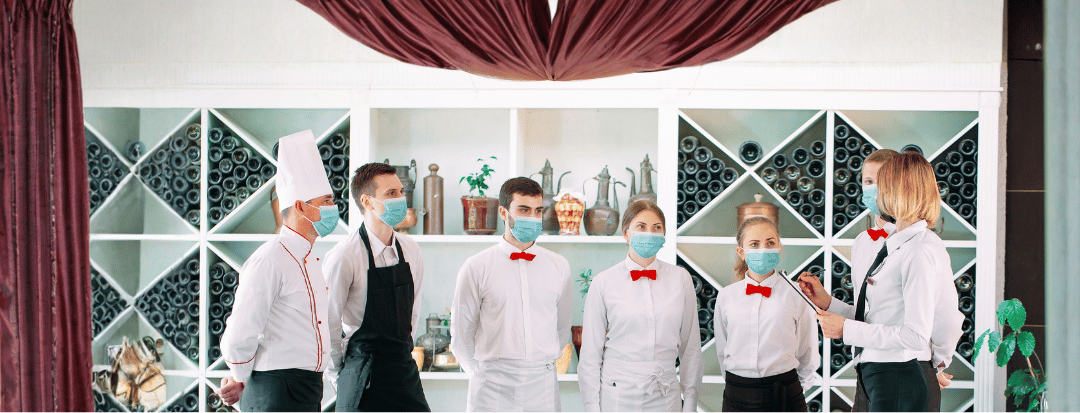
How Can You Educate Your Restaurant Staff to Handle the Freezer Temperature?
- Clearly state the rules for handling the freezer temperature. This may include specifying what the ideal temperature range is, how often it should be checked, and who is responsible for checking and adjusting it.
- Educate your staff on why following these rules are important. This may include explaining how proper freezer temperatures help to preserve food quality and prevent spoilage.
- Make sure your staff knows how to adjust the freezer temperature if needed. This may involve providing them with a thermometer and showing them where the controls are located.
- Encourage your staff to ask questions if they're unsure about anything related to the freezer temperature. This will help to ensure that everyone is on the same page and that there are no misunderstandings.
- Periodically check in with your staff to make sure they're following the rules for handling the freezer temperature. This may include checking the thermometer or asking someone else to do so regularly.
- Take corrective action if necessary if you find that your staff is not following the rules for handling the freezer temperature. This may include talking to individual employees about their responsibility in this area or taking more drastic measures such as reassigning duties or terminating employment.
Restaurant Freezer Temperature Chart - Why is it important?
A freezer temperature chart is important for a restaurant because it helps to ensure that food is kept at a consistent temperature. This is important for food safety and quality. If food is not kept at a consistent temperature, it can spoil or become unsafe to eat. A freezer temperature chart can help a restaurant avoid these problems.
What Are the Benefits of Having a Restaurant Freezer Temperature Chart?
A freezer temperature chart has many benefits for a restaurant -- the most obvious benefit is that it helps to ensure food safety. By keeping track of the temperature in your freezer, you can make sure that food is being stored at a safe temperature and avoid potential health hazards.It can also help you save money. If you know what temperatures your freezer should be set at, you can avoid over- or under-cooling your food, leading to wasted energy and higher utility bills. Additionally, if you understand how different foods respond to freezing temperatures, you can optimize storage to minimize spoilage and waste.Finally, a freezer temperature chart can be a valuable tool for troubleshooting potential problems with your freezer. If you notice that the temperature in your freezer is fluctuating or that food is not keeping as cold as it should, a quick check of the chart can help you identify the source of the problem so that it can be addressed quickly and efficiently.
How Can You Monitor Your Freezer Temperature With KNOW’s Food Safety Management System?
If you are a restaurant owner or manager, it is important to monitor your freezer temperature to ensure food safety.The best way to monitor your freezer temperature is with KNOW’s Food Safety Management System. Using KNOW, you can track your daily checklists and inspections including freezer temperature checks in real-time, ensuring that your food is always safe.Book a free demo to learn more about KNOW and how it can help you improve your daily restaurant operations.
Enjoying this article?
Ready to streamline your operations?

Related Articles
Bar Staff Training: A Complete Guide to Building a Skilled, Confident Team


.png)
How to Create Interactive Training Modules: A Practical Guide for Restaurants
.png)
Preventing Employee Burnout in Restaurants: Causes, Signs & Solutions