
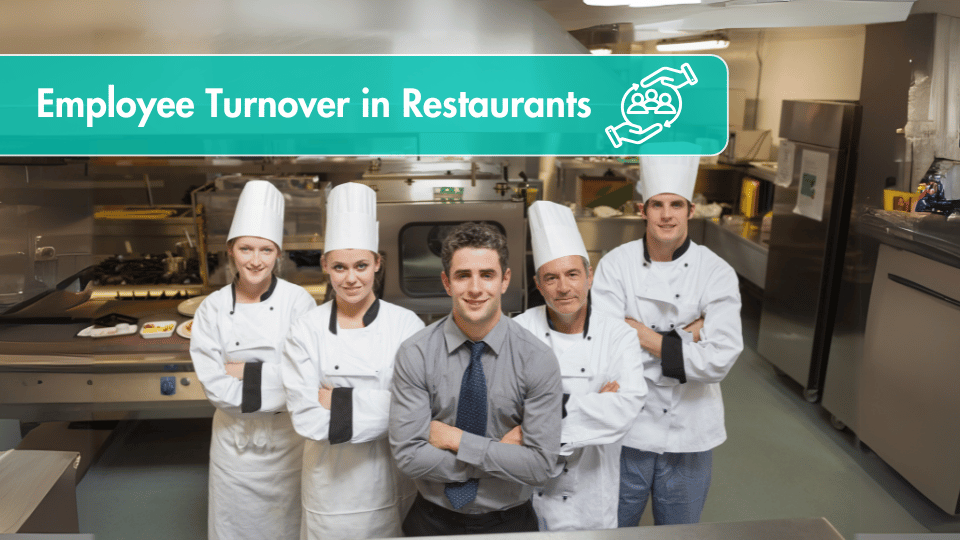
Understanding Employee Turnover: How to Reduce High Rates in Restaurants
Are you struggling to keep your restaurant fully staffed? You're not alone. The restaurant industry faces one of the highest employee turnover rates across all sectors, presenting a significant challenge for owners and managers.According to recent data from Black Box Intelligence, limited-service restaurants reported a staggering 135% turnover rate in hourly roles during Q3 2024. This means more employees left than were on staff during that quarter, highlighting the severity of the issues.
Understanding Employee Turnover in Restaurants
Employee turnover in restaurants is more than just an operational headache; it directly impacts the quality of service and the overall atmosphere of the establishment. Picture this: a busy kitchen where the head chef has to constantly train new line cooks, or a dining room where servers struggle to remember regulars' preferences. This constant flux can lead to inconsistent service, frustrated customers, and a hit to the restaurant's reputation.Turnover can stem from various factors ranging from inadequate wages to a lack of professional development opportunities. Understanding employee turnover is the first step toward implementing more effective retention strategies. Begin by identifying the root causes to craft a tailored solution.
Why is Turnover So High in Restaurants?
Restaurants often operate on thin margins and can be hectic environments, which contributes to high turnover rates. Let's dive into the reasons why employees might choose to pack up their aprons and move on:
- Low Pay: Many restaurant employees, especially in entry-level positions, find it hard to make ends meet on their wages.
- Tough Hours: Late nights, weekends, and holidays are standard in the restaurant industry, which can wear people down.
- Limited Growth: Without clear career paths, ambitious employees might feel stuck.
- High-Stress Environment: The fast-paced nature of restaurant work can lead to burnout.
- Lack of Benefits: Many restaurants don't offer health insurance or other perks common in other industries.
- Poor Management: Ineffective leadership can drive good employees away.
- Seasonal Nature: Some restaurants have busy and slow seasons, leading to job instability.
- Lack of Recognition: When hard work goes unnoticed, employees leave for better opportunities.
Calculating Your Restaurant's Turnover Rate
To effectively manage turnover, it's crucial to understand how to calculate it. Think of it as taking your restaurant's temperature - it helps you know if something's off. Here's a simple breakdown of what to track: ElementDescriptionTotal DeparturesNumber of employees who left in the yearAverage EmployeesAverage number of employees during the yearTurnover Rate(Total Departures / Average Employees) x 100New HiresNumber of hires made to replace departing staffRetention RatePercentage of employees retained from the previous yearFor example, if you had 20 employees leave in a year, and your average number of employees was 50, your turnover rate would be (20/50) x 100 = 40%.
What is an Ideal Turnover Rate?
An ideal restaurant employee turnover rate varies by industry, but for restaurants, rates significantly lower than the national average would be beneficial. Striving for a turnover rate around 50% could be a more attainable goal for many establishments, helping to maintain continuity in staffing and reduce the costs associated with frequent hiring.Think of it this way: if you're running a marathon, you wouldn't expect to go from couch to finish line overnight. Similarly, reducing turnover is a gradual process. Start by setting realistic goals and work towards them step by step.
Strategies to Reduce Turnover and Increase Retention
Improving employee retention requires a multifaceted approach. Here are key strategies that can make a substantial difference:
1. Thorough Hiring Process
Start by hiring right. Choose candidates who not only meet the job requirements but align with your restaurant's culture and vision. This might mean conducting multiple interviews, having candidates shadow current employees, or even inviting them to a team meal to see how they interact.
2. Competitive Wages and Benefits
Money talks, especially in an industry known for low wages. Offering competitive compensation can set you apart from other restaurants. But it's not just about the paycheck. Consider offering benefits packages like health insurance, paid time off, or even tuition assistance for part-time student workers. These perks can make a huge difference in an employee's decision to stay.
3. Positive Work Environment
Create a workplace where people actually want to be. This goes beyond just having a clean kitchen or a fancy dining room. It's about fostering a culture of respect, teamwork, and fun.Encourage open communication, celebrate successes (big and small), and address conflicts promptly and fairly. When employees feel valued and supported, they're more likely to stick around.
4. Professional Development Opportunities
Give your staff room to grow. Offer training programs that go beyond just how to use the POS system. This could include wine tasting classes for servers, advanced culinary techniques for kitchen staff, or management training for those interested in moving up. When employees see a future with your restaurant, they're less likely to look elsewhere.
5. Employee Engagement
Get your staff involved in the business. Ask for their input on menu changes, let them suggest new cocktail recipes, or have them participate in community events representing the restaurant. When employees feel like they have a stake in the business, their commitment grows.
6. Work-Life Balance
Balancing work and personal life is crucial, especially in an industry known for demanding schedules. Flexible scheduling and understanding personal needs can help staff manage their responsibilities outside of work without feeling overwhelmed.Consider implementing a "request-off" system where employees can easily ask for specific days off well in advance. Cross-train your staff so that covering shifts becomes easier. Most importantly, lead by example. If you're always working long hours and never taking time off, your staff will feel pressured to do the same.
7. Recognizing and Rewarding Your Team
Acknowledgment goes a long way in making employees feel appreciated. It's like seasoning in cooking - a little can make a big difference. Regularly celebrating achievements, whether through informal praise or more formal rewards programs, can boost team morale and retention.Consider implementing an "Employee of the Month" program, but with a twist. Instead of just managers choosing, let staff nominate each other. Offer tangible rewards like prime parking spots, gift cards, or even extra paid time off. Remember, recognition doesn't always have to be grand gestures. Sometimes, a sincere "great job" in front of the team can mean just as much.
How KNOW Can Help to Improve Your Turnover Rates
Technology can be a game-changer in managing restaurant staff. Tools like KNOW can streamline the onboarding process, facilitate continuous training, and simplify engagement initiatives. Here's how it can help:
- Streamlined Onboarding and TrainingKNOW ensures new hires are productive from day one with mobile-based onboarding and personalized learning journeys. Employees are given access to engaging, bite-sized courses and the company’s knowledge base, helping them gain confidence and integrate seamlessly into their roles.
- Engaging and Interactive Training Deliver bite-sized, multimedia courses that are easy to understand and accessible on mobile devices. Interactive formats, including videos, images, and quizzes, make learning engaging and enjoyable for your team.
- Simplified Scheduling and Attendance Management KNOW reduces scheduling stress with tools that allow managers to plan shifts, send reminders, and fill last-minute vacancies automatically. Employees receive notifications directly on their mobile devices, minimizing confusion and no-shows, which are common sources of dissatisfaction.
- Transparent and Efficient Communication The platform centralizes communication, making it easy for employees to report issues, receive updates, and access information. By eliminating manual paperwork and text messages, KNOW fosters a smooth, frustration-free work environment.
- Reduced Workload Through Automation KNOW digitizes daily tasks like checklists, compliance tracking, and reporting. This reduces the manual workload for employees, allowing them to focus on their primary responsibilities without feeling overwhelmed.
- Recognition and Accountability With features like gamified leaderboards and progress tracking, employees can see their contributions and accomplishments. This boosts morale and encourages accountability, which helps reduce turnover caused by lack of recognition.
Build a Stronger Team for Long-Term Success
Reducing employee turnover in the restaurant industry may seem challenging, but the rewards are undeniable. It's not a quick fix, but a gradual process that requires focus, strategy, and persistence. By identifying the root causes of turnover and implementing targeted retention strategies, restaurant owners can foster a more stable and motivated workforce.Your team is the backbone of your restaurant. When you invest in their growth and well-being, they’ll invest in the success of your business. Ready to foster a workplace where employees are motivated to stay and grow?See how KNOW can simplify your workforce management, making retention both achievable and sustainable. Book a demo today!
FAQs
1. What's the average turnover rate in the restaurant industry?
Recent data shows the restaurant employee turnover rate reached 130% in 2022, meaning more employees left than were on staff.
2. How can I calculate my restaurant's turnover rate?
Divide the number of employees who left by the average number of employees, then multiply by 100.
3. What's the biggest reason for high turnover in restaurants?
Low wages are often cited as the primary reason, followed by lack of benefits and growth opportunities.
Enjoying this article?
Ready to streamline your operations?

Related Articles

Bar Staff Training: A Complete Guide to Building a Skilled, Confident Team


.png)
How to Create Interactive Training Modules: A Practical Guide for Restaurants
.png)

Preventing Employee Burnout in Restaurants: Causes, Signs & Solutions