How to Improve Restaurant Employee Onboarding Processes
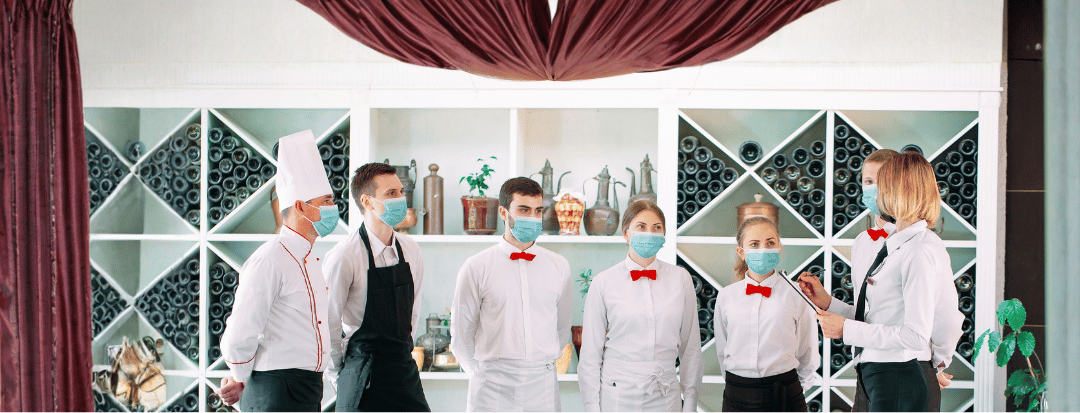
A new day at "The Savory Spoon" begins with excitement—it's Sarah's first day at a bustling restaurant. She’s eager, but also nervous, unsure what to expect. As she steps through the door, she’s met with a friendly greeting and a well-organized welcome kit.Her manager, Mike, takes her on a tour of the restaurant, introduces her to the team, and explains the unique farm-to-table concept that sets them apart. By lunchtime, Sarah feels comfortable, confident, and ready to start her training. This is the power of a well-executed employee onboarding process.In the fast-paced restaurant industry, employee turnover is on the rise. A thoughtful, structured onboarding process is key to keeping new hires engaged and reducing turnover. Let’s walk through the steps to creating an onboarding experience that sets your team up for long-term success.

The Ultimate Employee Onboarding Checklist for New Hires
This checklist will help transform new hires from eager but uncertain employees into confident, productive team members. Here's how you can make onboarding a smooth, engaging experience.
Step 1: Pre-boarding – Setting the Stage for Success
The restaurant onboarding process kicks off the moment your new hire says "yes" to your job offer. Don't let this golden opportunity slip through your fingers!Here's what you need to do:
- Send a warm welcome email
- Include start date, time, and location
- Outline what to expect on day one
- Attach any pre-start paperwork
- Give a sneak peek of the employee handbook
Pro tip: Throw in a fun fact about your restaurant or a team photo. It'll get your new employees pumped to join the crew!Remember, first impressions matter. A smooth pre-boarding process sets the tone for the entire onboarding experience. It shows new hires that you're organized, excited to have them on board, and committed to their success.
Step 2: Day One - Make It Memorable
Alright, it's showtime! Day one is crucial for setting the right tone and making new hires feel welcome. Here's how to nail it:
- Roll out the red carpet (figuratively, of course)
- Handle any remaining new hire paperwork
- Give a comprehensive tour of the restaurant
- Introduce them to the entire team (consider assigning a buddy)
- Review the employee handbook and key policies
- Set up necessary accounts and access
The goal here is to make new employees feel like part of the family from day one. A warm welcome can go a long way in boosting employee engagement and reducing early turnover.Don't forget to cover the basics like where to park, where to store personal items, and how to clock in and out. These small details can make a big difference in helping new hires feel comfortable and confident.
Step 3: Role-Specific Training - From Novice to Pro
Now we're cooking! It's time to dive into the nitty-gritty of job responsibilities. Tailor your training to each role in your restaurant:For servers:
- Menu knowledge (ingredients, allergens, specials)
- Point-of-sale system training
- Table service etiquette
- Handling customer complaints
For kitchen staff:
- Food safety and hygiene protocols
- Kitchen equipment operation
- Recipe knowledge and preparation techniques
- Inventory management
Don't forget to highlight your restaurant's unique selling points and customer service standards. These are what set you apart from the competition!Remember, hands-on practice is key. Let new hires shadow experienced restaurant employees and practice in a low-pressure environment before throwing them into the deep end.
Step 4: Company Culture - More Than Just a Job
Your restaurant isn't just a place to eat; it's a unique experience. This step is all about helping new employees understand and embrace your restaurant's culture.Here's what to cover:
- Share your restaurant's story and mission
- Explain your core values and how they guide daily operations
- Discuss your restaurant's place in the local community
- Highlight any unique traditions or practices
Remember, when employees understand and connect with your restaurant's culture, they're more likely to be engaged and stick around for the long haul.Try to make this fun and interactive. Maybe share some funny stories from your restaurant's history as restaurant owners or have long-time employees share what they love about working there.
Step 5: Safety First - Keeping Everyone Protected
In the fast-paced world of restaurants, safety can't be an afterthought. This step is crucial for protecting your employees, customers, and business.Cover these essential areas:
- Fire safety procedures
- First aid basics
- Food handling and hygiene practices
- Emergency protocols
- Proper use of safety equipment
Don't just lecture - make it interactive. Role-play different scenarios to help new hires understand how to handle various situations. This hands-on approach will help the information stick.Also, make sure to cover any specific safety measures related to COVID-19 or other current health concerns. Show your new employees that their safety is a top priority.
Step 6: Communication is Key - Establishing Clear Channels
Open lines of communication are vital in a restaurant setting. This step is all about making sure your new hires know how to stay in the loop and voice their thoughts.Make sure your new employees know:
- How to communicate with management
- The protocol for calling in sick or swapping shifts
- How to provide feedback or raise concerns
- The best way to stay updated on restaurant news and changes
Consider setting up a mentorship program where new hires are paired with experienced staff. This can provide an additional channel for questions and support.Remember, good communication can prevent misunderstandings, boost morale, and improve overall restaurant operations.
Step 7: Performance Expectations - Setting the Bar
Be crystal clear about what success looks like in each role. This step helps new hires understand their job expectations and how they contribute to the restaurant's success.Discuss:
- Key performance indicators (KPIs) for their role
- How and when performance will be evaluated
- Opportunities for growth and advancement
- The importance of teamwork in achieving restaurant goals
Consider creating a 30-60-90 day plan for each new hire. This gives them clear milestones to work towards and helps them understand their progress.Remember, when employees know what's expected of them, they're more likely to meet (and exceed) those expectations.
Step 8: Technology Training - Embracing the Digital Age
In today's tech-savvy world, your new hires need to be up to speed with all the digital tools you use. This step is all about getting them comfortable with your restaurant's technology.Cover these areas:
- Point-of-sale systems
- Inventory management software
- Online ordering platforms
- Employee scheduling apps
Hands-on practice is crucial here. Let them play around with the systems in a low-pressure environment. Consider creating cheat sheets or quick reference guides for complex systems.Remember, the goal is to make your new hires feel confident using these tools before they need to use them in a high-pressure situation.
Step 9: Customer Service - The Heart of Hospitality
Whether they're working front-of-house or back-of-house, every employee plays a role in customer service. This step is about instilling a customer-first mindset in all your new hires.Cover these key areas:
- Your restaurant's service philosophy
- Handling common customer scenarios
- The importance of body language and tone
- Going above and beyond to create memorable experiences
Role-playing exercises can be incredibly helpful here. Act out different customer interactions and have new hires practice responding.Remember, great customer service can turn first-time visitors into loyal regulars. Make sure your new hires understand their crucial role in this process.
Step 10: Ongoing Support - Keeping the Momentum Going
Onboarding doesn't end after the first week. This final step is about providing continuous support and feedback to help your new hires thrive.Set up regular check-ins to:
- Address any questions or concerns
- Provide constructive feedback
- Celebrate early wins
- Identify areas for additional training or support
Onboarding doesn’t end after the first few days. Continuous support is key to ensuring long-term success:
- Set up regular check-ins to address any questions or concerns.
- Provide ongoing feedback and celebrate early wins.
- Identify areas for additional training if needed.
Tools like KNOW help streamline the onboarding process by tracking progress, so nothing slips through the cracks. With KNOW, you can monitor each new hire’s journey, ensuring they’re receiving the support they need to thrive.
How KNOW Helps with Restaurant Employee Onboarding
KNOW simplifies and streamlines employee onboarding for restaurants, ensuring every new hire feels supported and equipped to succeed. Here’s how it works:
- Personalized Onboarding Journeys - Tailor the onboarding process by creating customized learning paths for new hires. This ensures that each team member receives targeted training relevant to their role, helping them acclimate quickly and effectively.
- Engaging, Multimedia Training - Create bite-sized, interactive courses that include videos, images, and infographics. This approach keeps learning engaging and makes complex concepts easy to grasp.
- Progress Tracking and Support - Managers can monitor each employee’s progress and identify areas where additional support may be needed. This proactive approach ensures no team member falls behind during their onboarding.
- Interactive Assessments for Better Learning - Quizzes and knowledge checks in various formats (e.g., multiple-choice, hotspots) help reinforce learning and evaluate comprehension. This ensures that employees are confident in their skills before moving forward.
- Multilingual Training for Diverse Teams - Recognizing the diversity of restaurant teams, KNOW supports training in multiple languages, allowing employees to learn in their preferred language for maximum comfort and efficiency.
KNOW’s comprehensive onboarding platform ensures that your employees are not just onboarded—they’re empowered to shine in their roles.
Wrapping It Up
A well-designed onboarding process is like a perfectly executed dish – it takes preparation, attention to detail, and a dash of creativity. By following this guide and leveraging tools like KNOW, you're setting your new hires (and your restaurant) up for success.Remember, onboarding isn't just about paperwork and training videos. It's about creating a welcoming environment where new employees feel valued, supported, and excited to contribute. It's about turning job seekers into passionate team members who'll stick around for the long haul.Are you ready to elevate your onboarding process? Discover how KNOW can help you streamline the process, keep your team engaged, and improve overall productivity. With the right tools, your new hires will feel confident and ready to contribute from day one.Ready to see KNOW in action? Book a demo today!

Frequently Asked Questions:
1. How long should the employee onboarding process last?
Typically 30-90 days, depending on role complexity and restaurant size.
2. What's the most common mistake in restaurant onboarding?
Rushing through training to fill shifts quickly, compromising long-term success.
3. How can I make my restaurant's culture shine during onboarding?
Share your restaurant's story, involve veteran staff, and organize team-building activities.
4. What's the ROI of a strong onboarding program?
Reduced turnover, increased productivity, and improved customer satisfaction.
5. How often should I update my onboarding process?
Review and refine at least annually, or whenever significant changes occur in your restaurant.
Enjoying this article?
Ready to streamline your operations?

Related Articles

Bar Staff Training: A Complete Guide to Building a Skilled, Confident Team


.png)
How to Create Interactive Training Modules: A Practical Guide for Restaurants
.png)

Preventing Employee Burnout in Restaurants: Causes, Signs & Solutions