Keeping Restaurant Staff Educated on Food Allergens: What to Know and What to Avoid

When it comes to food allergens in the restaurant setting, knowledge is power. For restaurant owners and managers, it’s essential to stay informed about allergen laws, regulations, and standards for safe food preparation and service. With that in mind, here is a comprehensive guide to help you handle food allergens in your restaurant, food safety regulations, and how to protect customers from potential allergic reactions.
What Are Food Allergens?
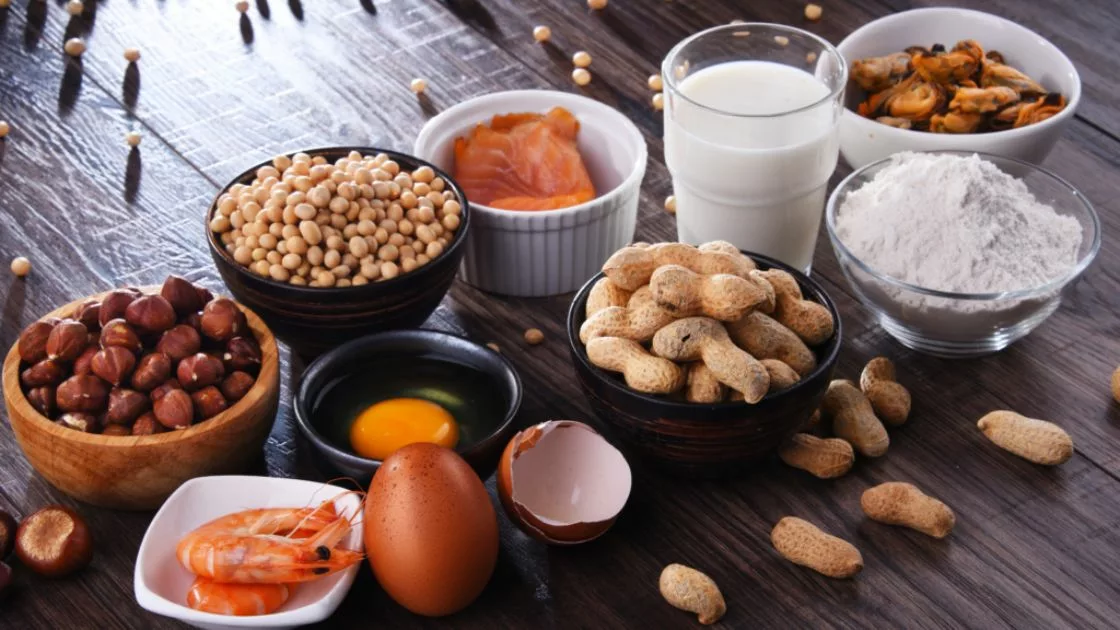
Food allergies affect millions of people worldwide, and the list of potential food allergens is constantly growing. The most common food allergens are milk, eggs, fish, shellfish, tree nuts, peanuts, wheat, and soybeans. Other foods can also cause an allergic reaction in certain individuals. It’s important to be aware that many unexpected items may contain allergen proteins, including processed foods and ingredients such as spices or flavorings.
Restaurant Regulations Related to Food Allergens
Food regulations are designed to help food establishments manage food allergens and protect customers with allergies. It is important for restaurants to comply with these regulations to ensure the safety of their customers and avoid potential legal penalties.In the United States, the Food Allergen Labeling and Consumer Protection Act (FALCPA) and the Food Safety Modernization Act (FSMA) require food establishments to take steps to prevent the risk of food allergens, and to provide allergen information to customers upon request.Under the FALCPA, food establishments are required to:
- Clearly label any packaged food products that contain one of the major food allergens (peanuts, tree nuts, milk, eggs, fish, shellfish, soy, and wheat) in plain language on the product label.
- Provide allergen information to customers upon request, including information on the presence of allergens in menu items and the steps that have been taken to prevent cross-contamination.
Under the FSMA, food establishments are required to:
- Develop and implement a written food safety plan that includes a hazard analysis and risk-based preventive controls (HARPC) to identify and prevent potential food allergens.
- Train all employees on the importance of food allergen management and the steps they should take to prevent cross-contamination and ensure the safety of all customers.
In Singapore, the Sale of Food Act (SOFA) and its regulations, food establishments are required to:
- Take reasonable precautions to prevent cross-contamination of allergens during food preparation, cooking, and storage.
- Label allergenic ingredients in menu items, either on the menu itself or in a separate allergen guide.
- Provide allergen information to customers upon request, including information on the presence of allergens in menu items and the steps that have been taken to prevent cross-contamination.
- Have a trained person on staff who is responsible for managing food allergens and providing allergen information to customers.
Training Staff on Food Allergens
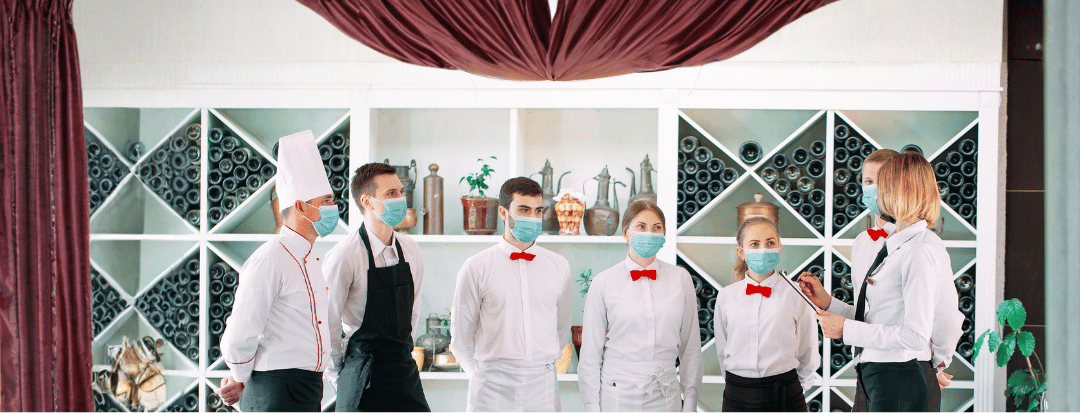
Training restaurant staff on food allergens is an important step in protecting customers with allergies and preventing potential foodborne illnesses. Here are some key steps that restaurants can take to train their staff on food allergens:
- Educate staff on the specific allergens that are most commonly associated with food allergies, including peanuts, tree nuts, milk, eggs, fish, shellfish, soy, and wheat.
- Provide information on the symptoms that food allergies can cause, such as itching, swelling, and difficulty breathing.
- Train staff on the importance of preventing allergen cross-contamination during food preparation, cooking, and storage, and provide guidance on how to do this effectively.
- Teach staff how to properly label menu items that contain allergens, and how to provide allergen information to customers upon request.
- Provide ongoing training and support to ensure that staff are knowledgeable and confident in their ability to manage food allergens and protect customers with allergies.
By providing staff with the knowledge and skills they need to manage food allergens effectively, restaurants can help prevent potential foodborne illnesses and ensure the safety of all their customers.
The 14 Most Common Food Allergens
The 14 most common food allergens, along with some examples of foods that may contain them, are:
- Milk: cheese, yogurt, ice cream, butter, cream, whey
- Egg: omelets, scrambled eggs, quiche, meringue, mayonnaise, eggnog
- Fish: salmon, tuna, cod, halibut, tilapia, herring
- Crustacean shellfish: crab, shrimp, lobster, crayfish, prawns
- Tree nuts: almonds, walnuts, pecans, pistachios, hazelnuts, cashews
- Peanuts: peanut butter, roasted peanuts, peanut oil, peanut flour
- Wheat/Gluten: bread, pasta, cereal, crackers, flour, baked goods
- Soybeans: tofu, soy milk, edamame, soy sauce, tempeh
- Sesame: sesame seeds, sesame oil, tahini, hummus
- Lupin: Lupin flour, Lupin seeds, Lupin beans
- Mustard: mustard seeds, mustard powder, mustard sauce, mustard greens
- Sulfites: dried fruit, wine, beer, processed vegetables, fruit juice, syrups
- Mollusks: clams, mussels, oysters, scallops, squid, octopus
- Celery: celery stalks, celery seeds, celery salt, celery juice
Each of these allergens can cause various symptoms, from mild to severe. It is important to note that this list may vary depending on the source and the specific criteria used to determine which food allergens are the most common. Additionally, individuals may have allergies to other foods that are not on this list.
Food Allergens FAQs
How to Deal With Food Allergens in Your Restaurant?
The first step is to educate yourself and your staff about the most common food allergens. The next step is to put procedures in place to avoid cross-contamination. Here are some tips
- Keep all food preparation areas clean and free of clutter
- Label all ingredients clearly and unambiguously
- Use separate utensils, cutting boards, and other equipment for different types of foods
- Store all food properly to prevent cross-contamination
- Cook all foods that require cooking thoroughly
- Serve food promptly after it is prepared
- Train all staff members on food safety procedures
Where to Display a Food Allergy Chart in a Restaurant?
A food allergy chart should be prominently displayed in a restaurant for staff. A good place for the chart is near the kitchen since that is where most of the food preparation takes place. This is especially important if your menu changes frequently or if you offer a lot of daily specials. The chart should be placed at eye level so that it is easily visible. It can also be placed in the same area as the menu so that staff members can reference it when taking orders.Another option for placement is near the register, where wait staff typically take customers' orders. No matter where you choose to display your food allergy chart, make sure it is in a spot that is accessible to all staff members so they can reference it when necessary.Displaying a food allergy chart in a restaurant is not only required by law in some states, but it is also good customer service. Allergies can be life-threatening, so it is important for restaurants to take them seriously. By prominently displaying a food allergy chart, restaurants can show their customers that they are taking steps to ensure their safety.
How to Cater to Customers With Food Allergies?
Here are some tips for catering to customers with food allergies:
- When taking orders, ask if the customer has any food allergies.
- If a customer has a food allergy, ask what they can and cannot eat.
- Choose ingredients that do not contain the allergen or offer substitutions.
- Prepare food carefully to avoid cross-contamination.
- Label all dishes clearly so that customers with allergies can make informed choices.
By following these tips, you can ensure that your customers with food allergies have a positive experience at your restaurant.
Bottomline
If you're looking for a comprehensive and user-friendly restaurant management app, KNOW is the perfect solution for your needs. With KNOW, you can manage and track all aspects of your multi-location restaurant operations from your mobile device.
Enjoying this article?
Ready to streamline your operations?

Related Articles

Bar Staff Training: A Complete Guide to Building a Skilled, Confident Team


.png)
How to Create Interactive Training Modules: A Practical Guide for Restaurants
.png)

Preventing Employee Burnout in Restaurants: Causes, Signs & Solutions