

Developing a Safety Culture in Your Workplace
Reading Time: 5 minutes Globally, about one in six fatal accidents in the workplace happen in the construction industry. The hazardous nature of the industry is blamed: site location, working environment, machines employees are operating, and even high turnover rate. Another root cause of safety and health problems at work is the exposure to dangerous substances such as asbestos.
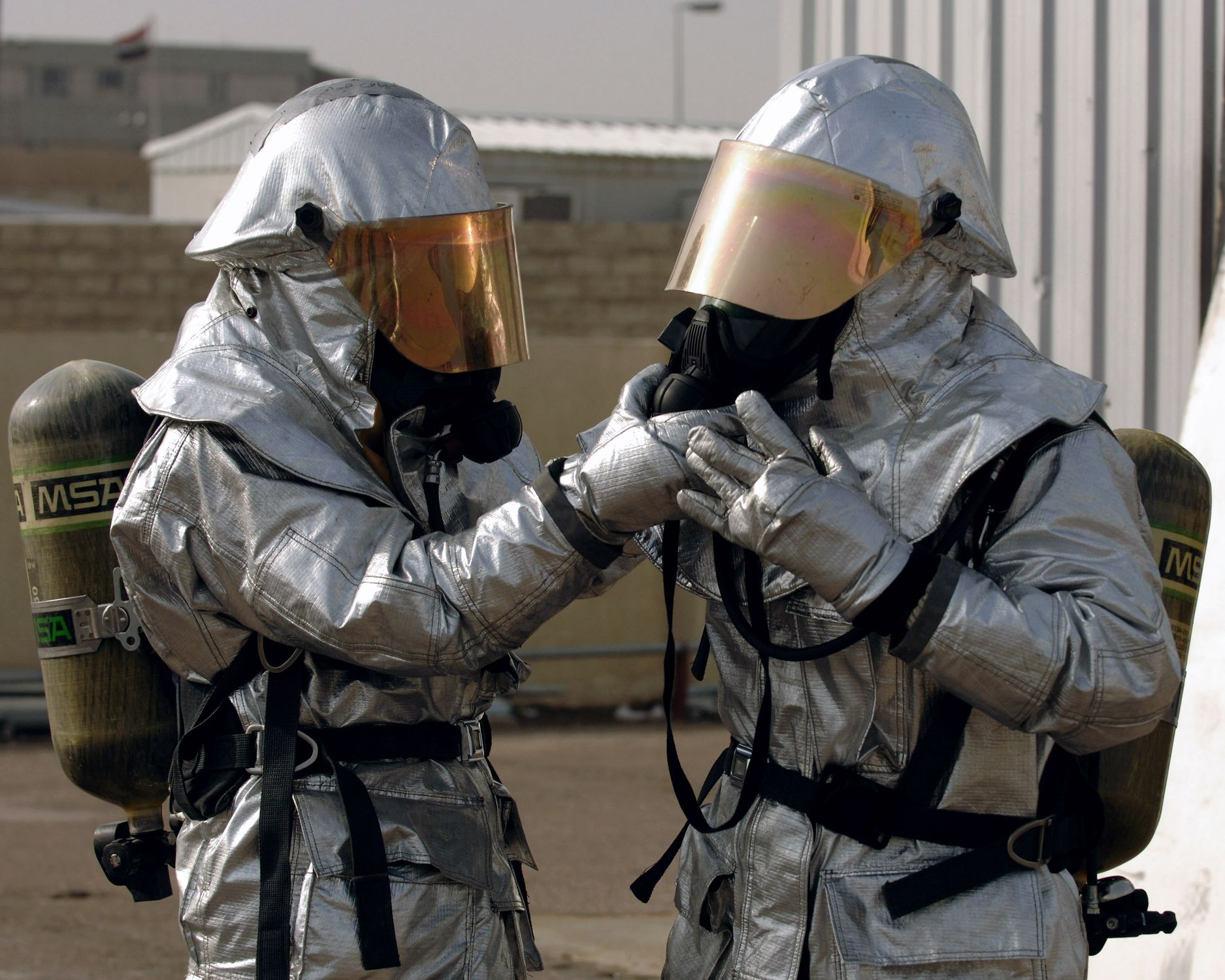
Within the construction industry, it is recognized that the safety of the workplace does not rely on one person or department, developing a safety culture involves both top-level managers and front-line workers. Managers are not only responsible for quantitative proof of safety but as well as programs that encourage and promote employee safety.

In a report from The Straits Times, the Minister of State for Manpower and National Development Zaqy Mohamad said that workplace incidents and injuries involving cranes decreased as of January 2019. He is positive that safety can still be improved through better crane operations.Locally, workplace incidents have fallen from 22 to 12 in the last three years. In a more general statistics, the Singapore construction industry saw a steady workplace fatality of 36 workers from January to November 2018. The previous year reported the same number of casualties. While the number of fatalities remains unchanged, workplace injuries in the construction industry fell to 1,648 from 1,751 in 2017.
How to develop safety culture in your workplace?
Safety doesn't rely on one person or a department. It's a collaborative effort of both managers and employees to keep their workplace safe. One common denominator of workplace fatalities and injuries is that they are all preventable, according to a secretary general of a Singapore trade union. He further added that when it comes to workplace safety, what matters is actively trying to make the environment safe, there can be no compromise.1. Establish leadership that prioritises workplace safety.Display a consistent commitment to improving workplace safety. Ensure all employees are well-equipped and informed on what to do when incidents occur.2. Encourage accountability and ownership.The strength of a workplace safety culture does not depend on those at the top alone but also on every frontline employee. Equipped with proper training, employees should be adept at identifying potential risks. They should also actively keep spaces hazard-free. To ensure full compliance, businesses may include safety performance KPIs as part of employee evaluations.3. Adopt a collaborative communication system.Ensure seamless communication within an organisation, such that everyone has access to safety information. Many firms have turned to technology to streamline information flow. Applications like KNOW help employees familiarise themselves with safety procedures. It also guarantees smooth communication throughout the issue resolution process.
Enjoying this article?
Ready to streamline your operations?

Related Articles


Bar Staff Training: A Complete Guide to Building a Skilled, Confident Team



.png)
How to Create Interactive Training Modules: A Practical Guide for Restaurants
.png)

Preventing Employee Burnout in Restaurants: Causes, Signs & Solutions