
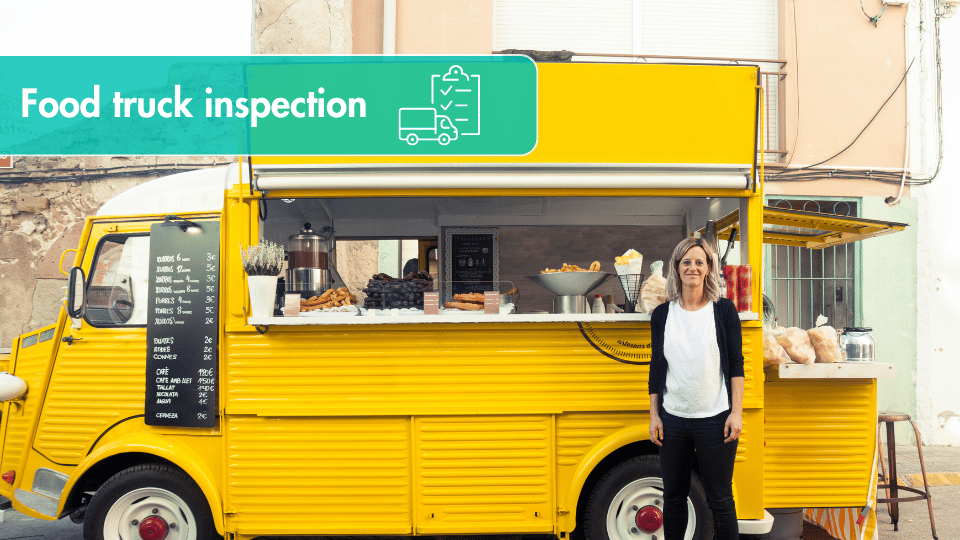
Essential Guide to Food Truck Inspection: Ensure Compliance and Safety
Running a food truck isn’t just about serving delicious meals on the go—it’s also about maintaining strict safety and compliance standards. Imagine this: You’ve built a loyal customer base, your truck is a local favorite, and then one day, an unexpected health inspection shuts you down due to a minor compliance issue.Could it have been avoided? Absolutely. Food truck inspections can be rigorous, covering everything from food handling and refrigeration to fire safety and wastewater disposal. To ensure readiness for the actual inspection, it is crucial to conduct thorough internal reviews and prepare your staff to address any inquiries from the inspector. Inspectors don’t just check for cleanliness—they assess whether your operation meets legal food safety codes.
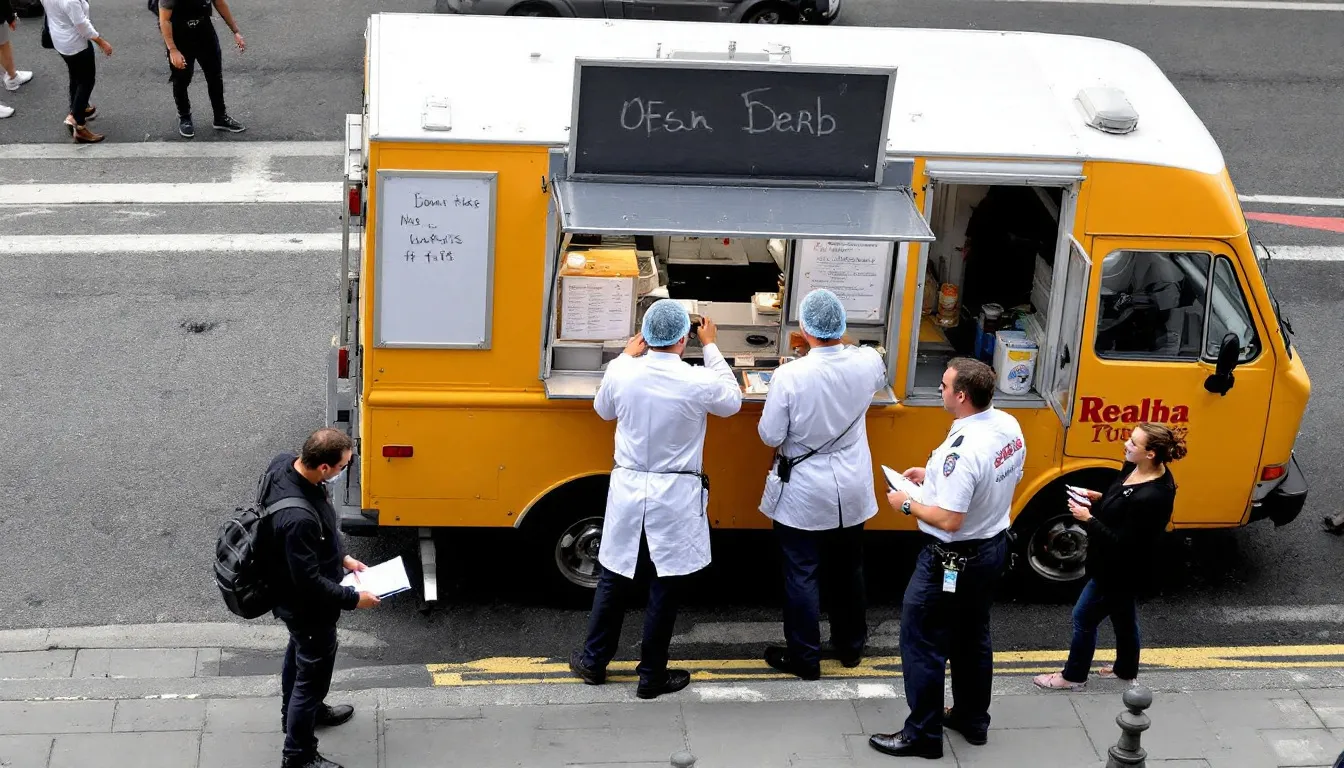
Who Conducts Food Truck Inspections?
Multiple agencies carry out food truck inspections, each focusing on different aspects of compliance. Each agency also focuses on specific key items during their inspections, which are crucial for compliance and safety.
1. Local health departments
Evaluate food safety, proper storage, hygiene, and temperature control to ensure compliance with food safety regulations.
2. Fire safety officials
Check propane tanks, fire suppression systems, and fire safety equipment to reduce hazards in your operations.
3. Building and zoning departments
Determine if a food truck is operating in an approved location and complies with local regulations.
4. Department of Motor Vehicles (DMV)
Ensures the vehicle itself is registered, insured, and roadworthy for safe food truck business operations.
Frequency and Types of Health Inspections
Food truck inspections aren’t just a one-time requirement; they occur regularly to maintain safety and compliance. Some inspections are scheduled, while others can happen without notice. Understanding the types of inspections and their due dates is essential to ensuring that food truck business operations run smoothly.
Types of Food Truck Inspections
Inspection TypeConducted ByPurposeFrequencyKey Areas CheckedRoutine Health InspectionLocal Health DepartmentEnsures food safety practices & complianceQuarterly/BiannualHygiene, storage, temperature logsFire Safety InspectionFire Safety OfficialsEvaluates fire suppression system & hazardsAnnualFire extinguishers, propane tanksLicensing InspectionBusiness Licensing OfficeApproves permits for food truck operationsBefore launch & renewalsPermits, safety complianceSurprise InspectionHealth & Fire DepartmentsEnsures ongoing compliance with safety rulesUnannouncedOverall safety, food handlingEquipment InspectionWorkplace Safety InspectorsVerifies cooking & refrigeration equipmentEvery 6 monthsRefrigeration, power, stoveUnderstanding these inspections and preparing for them proactively ensures that food truck businesses remain compliant, avoiding unexpected shutdowns or financial penalties.
Essential Compliance Requirements for Food Trucks
- Business License – Register your food truck as a legal business entity.
- Food Service Permit / Health Permit – Issued by your local health department to legally serve food.
- Mobile Food Vendor Permit – Required in many cities/counties specifically for mobile food operations.
- Vehicle Registration – Food truck must be registered as a commercial vehicle.
- Commercial Driver’s License (if applicable) – Required if your truck exceeds specific weight limits.
- Fire Department Inspection & Permit – To ensure your cooking and gas systems are fire-safe.
- Zoning & Parking Permits – Permission to park and sell food in specific zones.
- Sales Tax Permit – Required to collect and remit sales tax on food sales.
- Proof of Insurance – General liability, vehicle insurance, and worker’s comp if you have employees
Common Food Truck Inspection Violations & How to Avoid Them
Food truck inspections are strict, and even a small oversight can lead to fines, shutdowns, or loss of business. A single food safety mistake made by the food truck owner—such as storing raw meat above ready-to-eat items—can put customers at risk. Health inspectors look for compliance in daily operations, and repeated violations may result in a revoked permit.
- Improper Food Temperature Storage – Hot foods must be kept above 140°F, and cold foods below 40°F. Use thermometers to monitor temperatures.
- Lack of Proper Hygiene Practices – Employees must wash hands, wear gloves, and follow food safety practices to prevent contamination.
- Equipment and Facility Cleanliness Issues – Grease buildup, dirty work surfaces, and unclean cooking equipment can result in corrective actions. Regular cleaning schedules help maintain compliance.
- Missing or Expired Permits and Licenses – Food truck business owners must track due dates for permit renewals. Keep paperwork accessible for actual inspections.
Checklist for Food Truck Compliance & Safety
Before starting daily operations, food truck owners must ensure they are ready for health inspections and meet all safety requirements. The checklist includes key items that inspectors focus on during their evaluations.A missed key item—such as an improper food storage—can lead to immediate corrective actions. Keeping a checklist ensures that all food truck operations are compliant and inspection-ready. Checklist ItemStatus (Yes / No)Refrigerators and freezers are functioning and set below 40°FYes / NoHot food holding units maintain temperature above 140°FYes / NoAll perishable items are labeled with date and time received/openedYes / NoNo expired or spoiled food presentYes / NoRaw meats stored separately from ready-to-eat foodsYes / NoFire suppression system inspected and certified (within last 6 months)Yes / NoFire suppression system manual pull handle is accessible and visibleYes / NoHood and duct systems cleaned (no grease buildup)Yes / NoPortable fire extinguisher (Class K) is present and fully chargedYes / NoEmergency shutoff valves for gas and power are clearly labeled and accessibleYes / NoEmployees wear gloves when handling ready-to-eat foodYes / NoEmployees wash hands before food prep and after touching raw foodYes / NoHandwashing sink is accessible, with soap, warm water, and paper towelsYes / NoNo eating, drinking, or smoking in food prep areasYes / NoHair restraints (caps, nets) worn by all food handlersYes / NoCooking equipment (grill, fryer, etc.) is cleaned dailyYes / NoCutting boards, knives, and utensils sanitized after each useYes / NoFood contact surfaces wiped with sanitizer throughout the dayYes / NoCleaning logs for equipment are up to dateYes / NoLocal business license posted and validYes / NoHealth department permit is valid and visibleYes / NoMobile food vending permit (as required by local regulations) is currentYes / NoDriver’s license and vehicle registration are valid and stored in the truckYes / NoProof of insurance is available in the truckYes / NoHealth inspection reports available for review in the truckYes / NoNo outstanding violations from previous health inspectionsYes / NoAll required signage (menu, allergen notice, licenses) displayedYes / NoParking location complies with local zoning and distance regulationsYes / NoTruck does not block fire hydrants, sidewalks, or drivewaysYes / NoPropane tanks securely mounted and leak-freeYes / NoElectrical cords are grounded and in good conditionYes / NoGenerator (if used) is serviced and has no fuel leaksYes / NoWastewater tank is larger than freshwater tank and not leakingYes / NoGrey water disposed of at approved site dailyYes / NoTrash is stored in covered bins and removed regularlyYes / NoPest control measures are in place (no signs of infestation)Yes / NoFloors, walls, and ceilings are clean and in good repairYes / NoAll lighting is functional and shatterproof in food prep areasYes / NoThermometers available and calibrated for cold and hot food checksYes / NoFirst aid kit stocked and accessibleYes / NoCarbon monoxide detector (if using gas appliances) is functionalYes / NoEmergency contact numbers posted clearly inside the truckYes / NoTeam trained in food safety and emergency proceduresYes / NoHealth department recommendations from past inspection addressedYes / NoA food truck owners who are well-prepared will avoid risks, reduce hazards, and operate smoothly without regulatory issues.
How KNOW Can Help Your Food Truck Business
- Simplify Operations: KNOW eliminates unnecessary complexity, helping you manage audits efficiently from start to finish while reducing manual effort.
- Capture What Matters: Designed to ensure thorough audits, KNOW helps you focus on capturing essential details, leaving no room for oversight.
- Enhance Team Efficiency: Seamless communication tools keep your team synchronized, enhancing coordination and reducing any risk of miscommunication.
- Deliver Insights Instantly: KNOW generates clear, actionable reports in moments, empowering you to identify areas for improvement and act quickly.
- Ensure Timely Follow-Ups: KNOW simplifies the tracking and completion of corrective actions, ensuring issues are addressed promptly and operations stay on track.
The best part? All these features are available on one platform, eliminating the need to juggle multiple tools. This integrated approach ensures a smoother, more efficient workflow for your restaurant operations.[maxbutton id="1" url="https://www.getknowapp.com/get-started" text="Book a Free Demo" ]With KNOW, you can avoid costly mistakes, stay inspection-ready, and keep your food truck running smoothly.
Final Thoughts
Passing food truck inspections is not just about avoiding fines. It helps keep your customers safe, protects your business, and prevents shutdowns. By following food safety rules, keeping your truck clean, and renewing your permits on time, you can avoid problems and run a successful business.Is your food truck ready for the next inspection?
FAQs
1. How often do food truck inspections take place?
Food truck inspections occur quarterly or biannually, but surprise inspections can happen anytime. Fire safety checks are typically conducted annually.
2. What happens if a food truck fails an inspection?
If a food truck fails an inspection, owners may receive a warning, fine, or temporary shutdown until all violations are corrected.
3. Do food trucks need a separate fire safety inspection?
Yes, fire safety inspections ensure that propane tanks, fire systems, and fire safety equipment meet regulatory standards.
4. Can a food truck operate anywhere, or are there zoning restrictions?
Food trucks must follow local zoning laws and parking restrictions. Some cities designate specific zones for mobile food vendors.
Enjoying this article?
Ready to streamline your operations?

Related Articles

Bar Staff Training: A Complete Guide to Building a Skilled, Confident Team


.png)
How to Create Interactive Training Modules: A Practical Guide for Restaurants
.png)

Preventing Employee Burnout in Restaurants: Causes, Signs & Solutions