Understanding Delivery Driver Insurance: A Comprehensive Guide for Food Businesses
Delivery driver insurance is coverage designed for vehicles used to transport food and goods for a business, filling the gap left by personal auto policies that exclude commercial use. Because those personal policies often deny claims from delivery runs outright, restaurants need the right coverage to protect drivers and shield the business from costly liability.
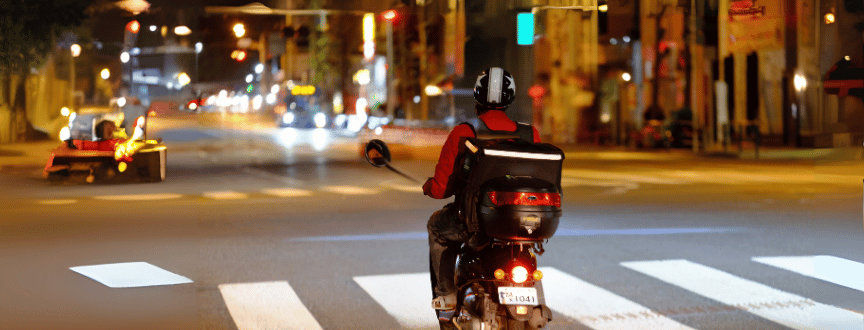
Delivery is no longer a side hustle for restaurants; it is a core revenue stream. With more orders packaged to-go than ever, employees may spend as much time behind a steering wheel as behind a counter, and that shift carries real risk. A fender-bender while transporting an order can lead to injuries, lawsuits, or vehicle damage that far exceeds the price of the meal.
This guide explains what delivery driver insurance is, how it differs from personal auto coverage, and which policies actually protect your business.
Why Delivery Drivers Need Specialized Insurance
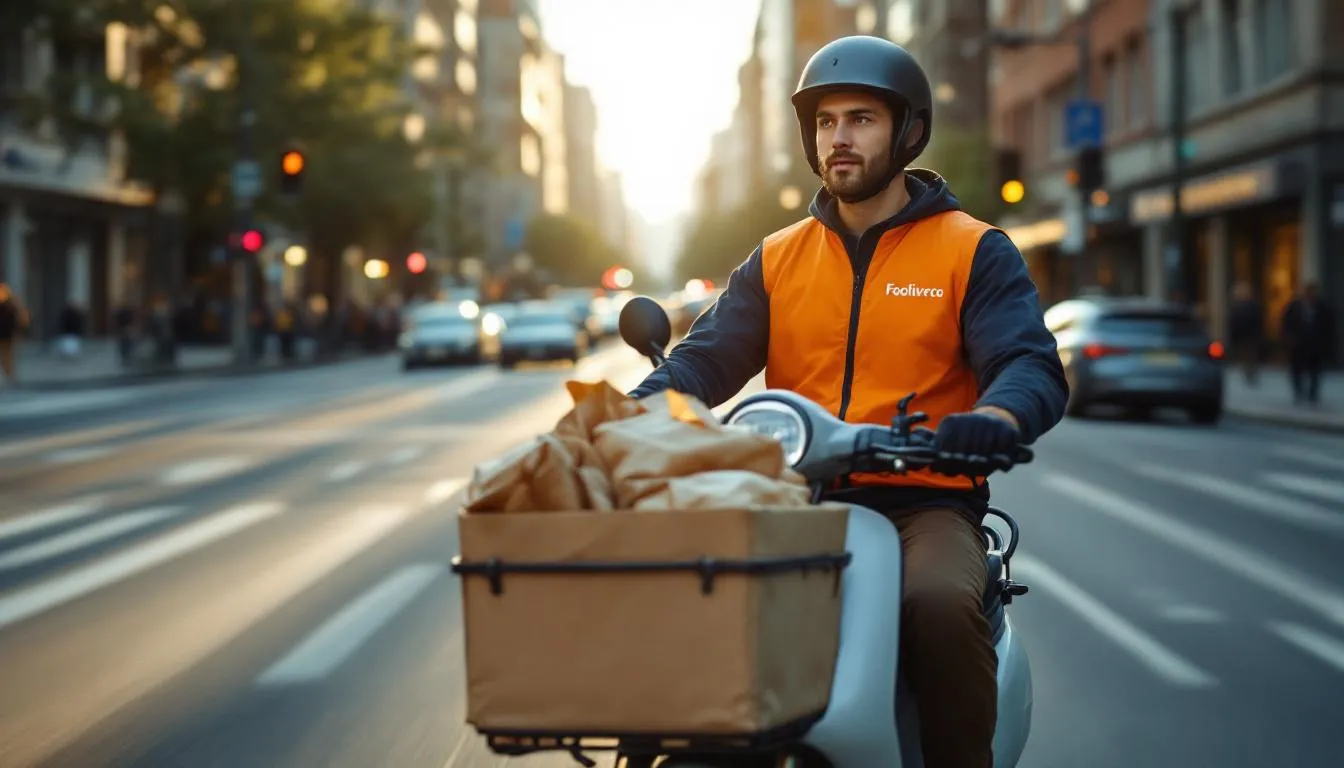
Delivery drivers need specialized insurance because they drive more miles, work under time pressure, and stop at unfamiliar locations, all of which raise the risk of accidents. Without proper coverage, a single accident can create serious financial consequences, from vehicle repairs to medical bills and lawsuits.
Risk factors for delivery drivers
- High mileage and frequent stops: Multiple short trips per shift increase vehicle wear and accident risk.
- Unfamiliar routes: Navigating new neighborhoods and relying on GPS adds distraction.
- Time pressure: Narrow delivery windows can push drivers to speed.
- Adverse conditions: Working in bad weather or at night raises the likelihood of collisions.
These factors make delivery driver insurance essential for protecting your business, your employees, and the public.
Personal Auto vs Commercial Auto Insurance
Two main categories of auto insurance apply to delivery drivers, and understanding the difference clarifies what coverage your drivers actually need.
Personal auto insurance
Personal auto insurance is designed for personal use such as commuting, errands, and travel, so using a vehicle to transport goods for hire counts as commercial use. Most personal policies exclude coverage during commercial activity, meaning an insurer may deny a claim entirely if an accident happens on a delivery run. It is generally cheaper because it assumes lower risk.
Commercial auto insurance
Commercial auto insurance provides coverage when vehicles are used for business, including transporting goods. It usually includes higher liability limits and can cover multiple drivers under one policy. Some states require it for delivery operations, and many delivery platforms contractually require proof of adequate coverage, so premiums run higher to reflect the elevated risk.
Personal insurance with endorsements
Some insurers offer endorsements or add-ons to personal auto policies designed for delivery or rideshare drivers. These provide coverage while driving for work but are typically more limited than a true commercial auto policy.
Components of Delivery Driver Insurance
An effective program can combine several coverage types, and the right mix depends on your business model, whether drivers use personal or company vehicles, and the requirements of your state and delivery partners.
Liability insurance
This pays for bodily injury or property damage the driver causes to others and is essential for protecting you from lawsuits. It has two parts: bodily injury liability, which covers medical expenses, lost wages, and legal fees when someone is injured, and property damage liability, which pays to repair other vehicles or property.
Collision coverage
Collision insurance covers repairs to the driver's vehicle after a collision, paying the cost minus the deductible to repair or replace it even when the driver is at fault.
Comprehensive coverage
Comprehensive coverage protects against non-collision events like theft, vandalism, fire, or weather damage, which matters most for drivers working late at night or in high-crime areas.
Uninsured and underinsured motorist coverage
If your driver is hit by someone with no insurance or too little, this coverage pays for injuries and property damage to your driver and their vehicle.
Medical payments and personal injury protection
These coverages pay medical expenses regardless of fault, covering hospital visits, doctor bills, and other costs for the driver and passengers.
Cargo or food coverage
Some policies cover the goods being transported. For food delivery, this can reimburse the restaurant for spoiled or damaged orders after an accident.
Non-owned auto liability insurance
If drivers use their own vehicles, your business can buy non-owned auto liability insurance to protect against damage or injury a driver causes while driving personally for work. It covers third-party liabilities only, not damage to the driver's vehicle.
Workers' compensation insurance
If your drivers are employees rather than independent contractors, most states require workers' compensation to cover medical expenses and lost wages for on-the-job injuries. Even for contractors, you may offer occupational accident insurance for added protection.
Delivery Driver Insurance Costs
The cost of delivery driver insurance varies widely depending on several factors that reflect how much risk the insurer takes on.
- Type of vehicle: Larger vehicles or those with higher replacement values cost more.
- Driving record: A history of accidents or violations raises rates.
- Location: Costs vary by state and city due to accident rates, weather, and regulations.
- Mileage: More miles driven means higher risk and higher premiums.
- Coverage limits: Higher limits increase premiums.
- Deductibles: Higher deductibles lower premiums but require more out-of-pocket payment after a claim.
As a rough guide, a delivery driver using an endorsement on a personal policy may pay $50 to $250 per month, while a full commercial auto policy typically runs $1,200 to $2,400 per year for a single vehicle. Premiums rise significantly with multiple vehicles or poor driving records.
Delivery Driver Insurance vs Rideshare Insurance
Rideshare insurance was built for ride-hailing services like Uber and Lyft, then expanded by many insurers to cover delivery drivers, and the key difference is how coverage is structured.
Rideshare insurance typically covers drivers during defined periods, such as when the app is on and waiting, en route to a pickup, or while transporting a passenger, and some policies now include food delivery periods. Delivery driver insurance focuses specifically on transporting goods rather than passengers, often tailored to risks like frequent stops and carrying hot items.
If you contract with drivers using DoorDash, Uber Eats, or Grubhub, verify they have appropriate coverage. Some platforms provide limited insurance while drivers are active, but it may cover only liability and not physical damage, so drivers often need additional insurance to cover their vehicles and any gaps.
Comparing Insurance Options for Food Delivery
Seeing the options side by side clarifies which policy fits your setup.
Tips for Obtaining the Right Coverage
Choosing coverage is easier when you match it to how your delivery operation actually runs. These six steps help you get the right protection without overpaying.
- Assess your business model. Determine whether drivers are employees or contractors, whether they use personal or company vehicles, and how often they drive, since each setup needs a different solution.
- Work with a knowledgeable agent. Find an agent familiar with delivery services and restaurants who can tailor coverage and avoid unnecessary extras.
- Require proof of insurance. If you use contractors, require adequate coverage and proof, and understand any exclusions or gaps that affect your business.
- Educate your drivers. Teach safe driving practices and how accidents and violations affect insurance costs.
- Consider group policies. With multiple drivers, a fleet or group policy can reduce per-vehicle costs and simplify administration.
- Review annually. As the business grows, revisit coverage levels, add or remove vehicles, and compare rates across carriers.
Special Considerations for Food Delivery Services
Food delivery adds legal, staffing, and vehicle-ownership questions on top of basic auto coverage. Work through these before finalizing a program.
Legal requirements and liability
Some states require delivery drivers to carry specific minimum coverage, especially for commercial use, and third-party platform contracts often mandate certain coverage levels. Beyond auto insurance, businesses should also carry general liability coverage for food-related issues like contamination or allergic reactions, which auto policies do not address.
Workers' compensation and occupational accident policies
If drivers are employees, most states legally require workers' compensation for job-related injuries, whether from a collision or a slip while delivering. Independent contractors are generally responsible for their own insurance, but offering coverage can attract drivers and reduce liability.
Commercial vs personal vehicles
With company vehicles, you control maintenance and insurance but bear full responsibility for damages or injuries. With personal vehicles, drivers maintain their own cars, yet you still carry liability for accidents during deliveries, so non-owned auto liability protects the business while drivers need their own coverage for vehicle damage.
Insurance for delivery platforms (TNCs)
Transportation network companies like Uber Eats and DoorDash usually provide contingent liability coverage, which applies only after a driver's personal or commercial policy is exhausted and only during an active delivery. Limits vary, and coverage often excludes damage to the driver's own vehicle.
Common Misconceptions About Delivery Driver Insurance
A few persistent myths leave restaurants underinsured, so it is worth clearing them up.
- "Personal auto insurance is enough for part-time drivers." It is not, because any business use of a vehicle can invalidate a personal-policy claim.
- "Rideshare insurance will cover food delivery." Not always, since some rideshare policies exclude delivery unless explicitly stated.
- "Commercial auto insurance is too expensive for a small operation." It costs more than personal policies but protects against major losses, so shop around and compare quotes.
- "Independent contractors bear all the risk." Even with contractors, your restaurant can be named in a lawsuit, which is why non-owned auto liability matters.
How KNOW Can Help Manage Your Delivery Operations
Finding the right insurance is only part of the challenge; managing daily tasks, training drivers, and tracking compliance adds more. Here is how KNOW supports restaurants and food delivery services.
- Digital checklists for vehicle inspections: Ensure drivers complete pre- and post-trip checks, documenting issues that affect safety.
- Incident reporting: Give drivers an easy way to log accidents or near-misses, capturing data immediately for claims and reviews.
- Training modules: Deliver mobile training on safe driving, food handling, and customer service to reduce accidents and improve service.
- Maintenance tracking: Track vehicle maintenance schedules and repairs so vehicles stay safe and insurable.
- Compliance documentation: Store insurance certificates, driver policies, and proof of coverage in one place to prevent lapses.
- Task assignments: Assign tasks like renewing policies, updating licenses, and scheduling driver training within the app.
By centralizing information and automating reminders, KNOW helps food businesses stay compliant, reduce risk, and provide a safer environment for delivery drivers. Book a free demo to improve your delivery operations.
Final Thoughts
The rise of food delivery has created new opportunities for restaurants, but it also exposes businesses to risks that standard personal auto insurance does not cover, since personal policies usually exclude delivery activity and leave drivers and businesses vulnerable after an accident.
The right coverage goes beyond the basics. Commercial auto insurance provides broader liability protection and higher limits for businesses with company vehicles, while rideshare coverage or a delivery-specific endorsement can help those using personal cars, though many restaurants still need non-owned auto liability for full protection. Pairing comprehensive and collision coverage for the vehicles with strong liability protection builds a complete safety net. By understanding the difference between personal and commercial policies and making sure delivery work is properly covered, restaurants can safeguard drivers, reduce financial exposure, and keep operations running smoothly. Book a free demo to see how KNOW supports safer delivery operations.
Frequently Asked Questions
1. Do I need commercial auto insurance if my driver uses their personal vehicle?
If your driver uses a personal car for deliveries, your restaurant still has liability exposure. Ensure the driver carries adequate coverage with a delivery endorsement, and consider non-owned auto liability insurance to protect your business.
2. Can I get coverage for damaged food in transit?
Some commercial auto policies and specialized food delivery insurance cover cargo, including food. Specify this need to your insurer when requesting quotes.
3. What is the difference between collision and comprehensive coverage?
Collision coverage pays for damage to your vehicle from a collision with another vehicle or object, regardless of fault. Comprehensive coverage pays for damage from events like theft, vandalism, or severe weather.
4. Is workers' compensation necessary if my drivers are independent contractors?
Workers' compensation is typically required only for employees, not contractors. You may still choose to provide occupational accident coverage to protect your drivers and your business from injury-related lawsuits.
5. How can my restaurant reduce insurance costs?
Maintaining safe driving records, training drivers, properly maintaining vehicles, and shopping for policies annually all help. Some insurers offer discounts for telematics devices that track driving behavior.
6. Are rideshare insurance policies enough for food delivery drivers?
Not necessarily. Rideshare policies are built for passenger transport, and while some now include delivery coverage, it is crucial to read the terms or add an endorsement that explicitly covers food delivery.
7. Does my insurance cover accidents while the driver is waiting for an order?
It depends on the policy. Some cover the entire time a driver is logged into a delivery app, while others only cover active deliveries, so clarify this with your insurer.
8. How often should I review my insurance policies?
Review policies annually or whenever you change your fleet, hire additional drivers, or see shifts in delivery volume, so coverage stays adequate without paying for unnecessary extras.
9. Does non-owned auto liability insurance cover damage to the driver's car?
No. Non-owned auto liability covers third-party damages and injuries your drivers cause, not repairs to the driver's own vehicle, which requires collision coverage.
10. What should I do immediately after a delivery accident?
Ensure everyone is safe, call emergency services if needed, exchange information with other parties, document the accident with photos and notes, and report it to your insurer. Encourage drivers to follow a post-accident protocol that includes alerting your management team.
Enjoying this article?
Ready to streamline your operations?

Related Articles
Bar Staff Training: A Complete Guide to Building a Skilled, Confident Team


.png)
How to Create Interactive Training Modules: A Practical Guide for Restaurants
.png)

Preventing Employee Burnout in Restaurants: Causes, Signs & Solutions