Mastering Consistency in Food: The Operational Blueprint for Restaurant Success
Food consistency is the discipline of delivering the same taste, texture, temperature, and presentation for every dish, every time it is ordered. In restaurants it is not a nice-to-have but the foundation of repeat business, because guests come back when they know a dish will be good, not just when it could be.
Unpredictable food does not only cost you a customer; it costs you your reputation. This guide covers the systems, training, and habits that protect food consistency across every shift and every location.
Why Consistency in Food Matters More Than You Think
Customers rarely return because a dish might be good; they return because they know it will be, with the same flavor and the same feel in the mouth. That reliability is what builds trust, and trust is what builds a restaurant's reputation.
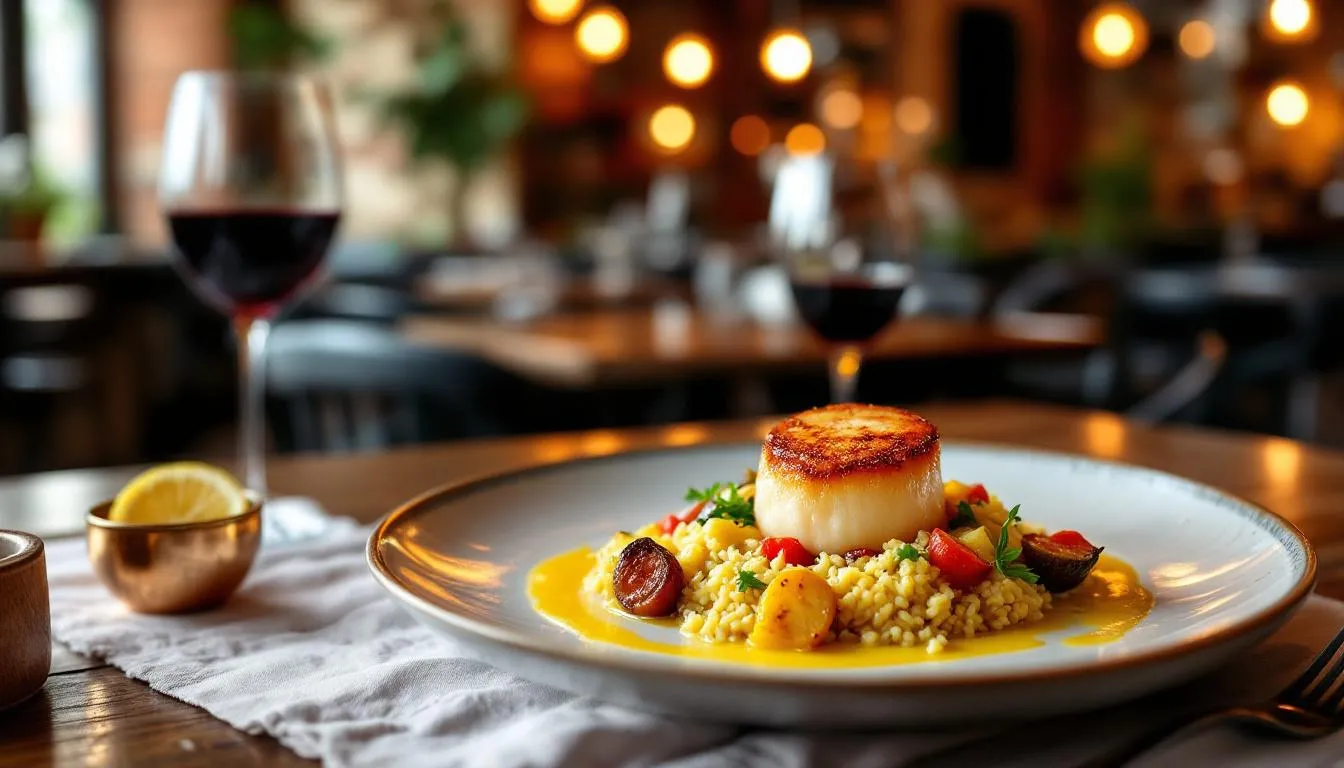
Consistency is about more than taste. It includes temperature, texture, aroma, and presentation, so if one day the risotto is creamy and smooth and the next it is stiff and sticky, the trust is gone, and once lost it is hard to earn back.
Inconsistency Has a Cost
Unpredictable dishes cause more than complaints; they hit your bottom line. Refunds and remakes burn money and staff time, negative reviews drive away new customers, confused staff get demotivated, and kitchen efficiency drops when dishes are not produced to standard. If your food is inconsistent, your restaurant becomes unreliable, and reliability is the core of repeat business.
The Three Failure Points of Food Consistency
When consistency breaks, it usually breaks in one of three areas: ingredients and sourcing, prep and production, or people and process. The sections below show how to plug the gaps in each.
Ingredients: Consistency Begins Before Cooking
If your ingredients change, your dishes will too, since even a slight variation in saltiness, moisture, or acidity throws off the final product. That is why procurement needs the same discipline as cooking.
Even the most talented chef cannot achieve consistency with inconsistent raw materials, so standardize your inputs to stabilize your outputs.
Prep and Production: Lock In Process Precision
This is where most consistency problems arise, when the same dish is prepared slightly differently each time, whether from an extra stir, a few seconds longer on the heat, or an unlabeled sauce that tastes off. Every variable needs to be defined, documented, and communicated.
- Recipes: Treat them as non-negotiable instructions, not rough guidelines, with exact measurements in grams and milliliters and precise cook times, using digital scales, timers, and thermometers rather than spoons and instinct.
- Batch prep: When sauces or bases are prepped in bulk, follow standard batch quantities and timing, since a small error there affects dozens of plates later.
- Cooking technique: Define the number of stirs, flame levels, rest times, and plating order, because even stirring speed can alter the texture of an emulsion or risotto.
- Tasting standards: Set a daily tasting ritual with shift leads before service, one spoon every time, to keep taste and smell in check.
When a dish goes out, it should look, smell, and feel like a clone of the last one.
People: Training Systems That Ensure Food Consistency
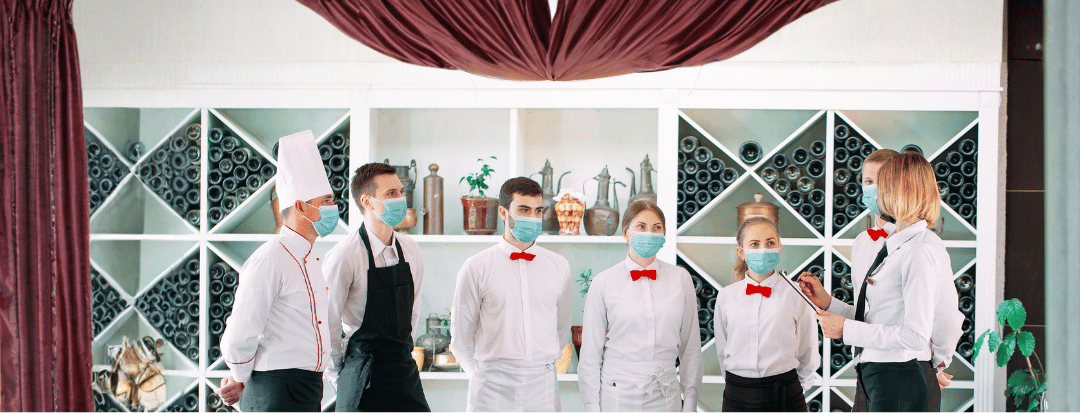
You cannot maintain consistency with inconsistent people, and you cannot blame staff you have not trained for precision, so training has to be deliberate, structured, and focused on repeatability.
- Microtraining: Break training into focused modules, one for rice prep, another for dressing proportions, another for sandwich wrapping, aiming for mastery over time.
- Shadowing: Let new employees follow experienced staff who consistently follow the SOPs, after first confirming those staff are doing it right.
- Checklists and visual aids: Use prep charts, photos, and plating diagrams to reduce interpretation errors and speed onboarding.
- Refresher drills: Every few weeks, run blind plating or taste tests and ask cooks to identify what is missing or off, which trains the palate and attention to detail.
Well-trained employees make fewer adjustments based on feel and more based on standard procedure, and that is the difference between variation and consistency.
The Overlooked Killer: Variations Between Shifts and Locations
Food consistency is not about one cook on one shift; it is about every cook on every shift, and across locations if you have more than one, which is where consistency collapses for most multi-unit restaurants. To control that variability, use centralized prep or commissary kitchens for sauces, stocks, and marinades, calibrate ovens, fryers, and grills identically, keep digital logs and photos of plated dishes per shift, and rotate staff between shifts and locations to transfer a consistent culture. Without these controls, the same dish at different times or outlets can feel like it came from entirely different restaurants.
Handling Different Textures in Multi-Element Dishes
In complex dishes, inconsistent texture often ruins the experience even when the flavor is correct, from soggy croutons to chewy meats or grainy sauces. Manage it by defining texture targets alongside flavor: use terms like crisp, firm, al dente, silky, smooth, and tender in prep SOPs and train staff on what each actually feels like, include mouthfeel descriptions during menu development, and adjust holding and plating to maintain texture, such as adding crispy toppings at the last minute. Texture matters as much as taste, since it shapes the entire dining experience.
Presentation: The Silent Part of Food Consistency
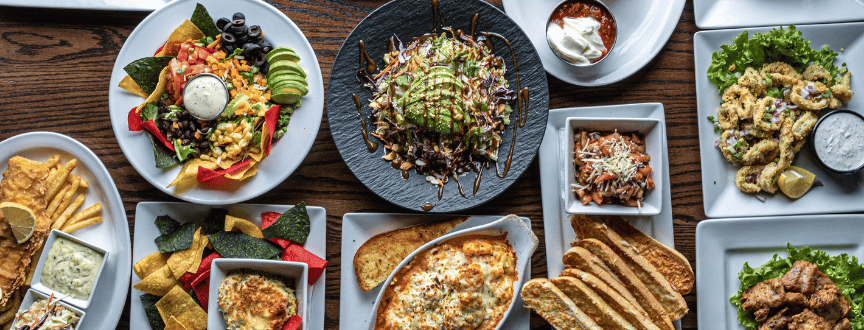
Most operations focus on flavor and texture but skip presentation, yet visual consistency tells customers what to expect before the first bite. Maintain it with visual plating guides for every dish, standardized plates, garnish quantity, and sauce placement, calibrated portion scoops and tongs rather than visual judgment, and random visual audits during service. Visual appeal shapes perceived quality, so the more consistent the look, the more trustworthy your food feels.
What to Do When Ingredients Change
Sometimes you are forced to swap an ingredient because a supplier is out of stock, the season changes, or costs shift, and when that happens you should not just substitute and hope. Test the new ingredient in all affected recipes, adjust supporting ingredients like acidity, saltiness, or moisture if needed, update recipe sheets and inform staff, and re-taste during service for the first few days after the switch. Small ingredient changes can create big shifts in flavor or texture, so always recalibrate before resuming production.
Building a Feedback Loop
Consistency does not improve without feedback, so build it into your systems rather than waiting for complaints. Gather it through daily chef taste checks before service, server notes on customer comments, comment cards or QR-code surveys, POS tags for remakes that note the reason, and occasional secret-diner programs focused on flavor consistency. This data reveals when and where inconsistencies are creeping in and gives you the chance to fix them before they hurt your reputation.
How to Maintain Consistency During Menu Changes
New menu rollouts are the riskiest time for food consistency, since even great chefs get it wrong learning new recipes under pressure. Keep quality stable by pilot testing dishes with internal teams for a week before launch, using limited-time offers to stress-test new dishes before full rollout, adding extra training shifts during launch week, and limiting other operational changes so you are not switching suppliers and launching dishes at once. Change one variable at a time, and train until the new process feels automatic.
Investing in Systems to Support Consistency
Consistency is about infrastructure, not just effort, so invest in systems that support standardization and remove variation.
Every dollar spent on systems is a dollar saved on remakes, refunds, and bad reviews.
How KNOW Helps Restaurants Maintain Food Consistency at Scale
Achieving food consistency is about creating operational clarity for everyone involved in production, not just writing recipes. KNOW is designed for restaurants that need every team member, across every shift and location, to follow the same processes without deviation.
Digitized SOPs with visual aids
Upload standardized recipes, prep steps, and plating instructions with photos and videos, so staff do not rely on memory or informal notes and the right way to do it is always a tap away.
Mobile-friendly checklists for prep and service
From morning prep to final checks before service, staff follow step-by-step checklists tailored to your kitchen flow, so nothing is skipped or guessed and every station stays aligned with your quality standards.
Shift handover notes that keep everyone in sync
Inconsistencies often creep in during staff changes, so KNOW's handover feature lets outgoing team members log issues, flag low stock, or call out recipe tweaks, and the incoming shift picks up exactly where the last left off.
Training on demand, not just day one
New hires can access recipes, prep videos, and portioning guides on their phones, and so can experienced staff who need a refresh, which reduces reliance on shadowing and maintains consistent production even with rotating staff.
Real-time task monitoring and accountability
Managers can see what is being done, when, and by whom, making it easier to spot deviations before they reach the plate and building a culture where following procedures is part of the workflow, not optional.
KNOW does not just document your standards, it operationalizes them, which is what makes it powerful for any restaurant serious about protecting its brand and delivering consistent quality across every dish, shift, and team. Book a free demo to see how it helps your team deliver consistency shift after shift.
It Is Not Just About the Food, It Is About Your Brand
Inconsistency does not only affect what is on the plate; it affects how customers describe your restaurant to others, your online reviews, your star ratings, and your word-of-mouth referrals. Those feelings determine whether guests come back.
Consistency in food is operational, not aspirational. It is built through daily habits, hard rules, and non-negotiable standards, achieved by design rather than by hoping. Once you get there, everything gets easier: your staff make fewer mistakes, your customers become your marketers, and your brand becomes one people trust. The food does not just taste good, it tastes right, every single time. Book a free demo to build that consistency into every shift.
Frequently Asked Questions
1. How can restaurants achieve consistency in food across different shifts?
Restaurants need clear, repeatable systems for preparation, cooking, and presentation, including standardized recipes, portioning tools, cook times, and plating guides. Staff training matters too, since all employees should follow the same steps regardless of shift. Tools like KNOW help with digital SOPs and shift handover notes, so nothing gets lost between teams and customers get the same flavor and texture whenever they visit.
2. What are the most important factors that affect food consistency?
Ingredient quality and sourcing, staff training, precise measurements, equipment calibration, and adherence to preparation protocols all directly affect consistency. Even small changes in temperature, timing, or how a dish is stirred can alter texture and flavor. Consistency covers not just taste but the look, smell, and mouthfeel of dishes, all of which shape satisfaction and reputation.
3. How does staff training influence food quality and consistency?
Training is one of the most important factors, because without it employees rely on personal judgment, which leads to inconsistent results. Structured training ensures every staff member prepares and serves dishes the same way, following the correct recipes, techniques, and presentation standards. It reduces mistakes, speeds onboarding, protects the guest experience, and builds long-term habits that support your brand.
4. Why is food consistency important for customer satisfaction?
Customers return expecting the same taste, texture, and experience each time, so when dishes are inconsistent they lose trust in the brand, and new customers form opinions quickly on that first bite. A well-prepared dish that looks and tastes exactly as advertised builds loyalty, encourages positive reviews, and increases repeat visits, which is essential for long-term growth.
5. How can restaurants maintain consistent texture and flavor in complex dishes?
Standardize every step from sourcing to plating, cooking and holding each component correctly, such as adding crunchy elements last to prevent sogginess or timing sauce thickness precisely. Tools like temperature probes, timers, and batch prep standards control variation, and regular tasting plus staff briefings on expected texture, from smooth to firm to tender, keep dishes serving as intended every time.
Enjoying this article?
Ready to streamline your operations?

Related Articles

Bar Staff Training: A Complete Guide to Building a Skilled, Confident Team


.png)
How to Create Interactive Training Modules: A Practical Guide for Restaurants
.png)

Preventing Employee Burnout in Restaurants: Causes, Signs & Solutions