
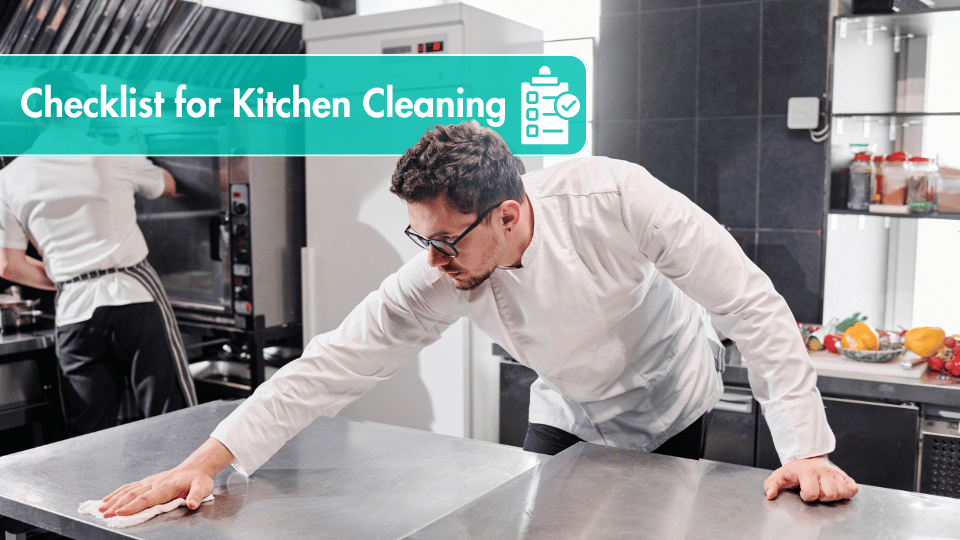
The Ultimate Checklist for Kitchen Cleaning for Restaurants
Imagine this: You’re the head chef at a bustling downtown Chicago restaurant on a Friday night. The kitchen is alive with activity, orders piling up, and the rhythm of the service is in full swing. Out of nowhere, a health inspector walks in, unannounced. Your heart skips a beat—but then, you take a deep breath. You’ve got a foolproof kitchen cleaning checklist in place. You smile, knowing that every inch of your kitchen is spotless and ready for inspection.This scenario isn’t just about passing inspections. A solid kitchen cleaning checklist helps you create a hygienic, safe environment for both your staff and your customers. It’s essential for keeping your kitchen running efficiently—like a well-oiled machine.A key piece of this is a daily cleaning checklist, which breaks down important tasks into manageable, routine activities to maintain a clean and healthy kitchen.Here’s a jaw-dropping stat: the World Health Organization estimates that 600 million people fall ill each year due to contaminated foodA clean kitchen isn’t just a good practice—it’s your first line of defense against foodborne illnesses.. That’s nearly 1 in 10 people worldwide! A clean kitchen is your first line of defense against foodborne illnesses.Let’s dive into how to build the ultimate kitchen cleaning checklist that will keep your restaurant safe, efficient, and compliant.
Why a Kitchen Cleaning Checklist is Essential?
Cleaning tasks can easily be forgotten or rushed. That’s where a kitchen cleaning checklist comes in handy—it’s your kitchen's GPS, guiding you through the cleaning process and ensuring no task is overlooked. Without it, you’re essentially driving blindfolded. You might eventually reach your destination (a clean kitchen), but you’ll probably miss a few important steps along the way.Take Joe, for example. He owns a restaurant in Miami and used to struggle with maintaining cleanliness. His staff would clean, but it wasn’t systematic—some areas got more attention than others, and critical tasks were often overlooked. The results? Failed health inspections and disappointed customers.After implementing a structured kitchen cleaning checklist, everything changed. His staff knew exactly what needed to be cleaned and when, the kitchen looked spotless, health inspectors gave their seal of approval, and customers were happier than ever. All of this happened thanks to a simple, yet powerful tool—a cleaning checklist.But there’s more: a clean kitchen increases operational efficiency. When everything is in its place, your team can work faster and more effectively. It’s a win-win for everyone
Key Components of a Kitchen Cleaning Checklist
Now, let’s break down the essential elements of a top-tier kitchen cleaning checklist. While every kitchen has unique needs, there are a few universal components that should be included in any comprehensive cleaning plan.A well-organized schedule is key, and dividing tasks into daily, weekly, and monthly categories will ensure that nothing is missed.
1. Daily Cleaning Tasks
These tasks are the foundation of your checklist. Make sure to tackle them every single day to maintain cleanliness and food safety.
- Wipe down surfaces: Clean countertops, stovetops, prep areas, and high-touch spots (door handles, faucets) with a food-safe disinfectant.
- Sweep and mop floors: Keep your floors slip-free and aesthetically pleasing.
- Wash dishes: Sanitize all cookware, utensils, and dishes.
- Take out the trash: Empty bins regularly and sanitize them to prevent odors.
- Use baking soda: Sprinkle it on surfaces to maintain freshness. A baking soda paste works wonders for deep-cleaning tough areas, like ovens.
2. Weekly Cleaning Tasks
These are your next-level tasks to focus on every week.
- Clean refrigerator: Discard expired items and wipe down shelves to prevent cross-contamination.
- Tackle oven and stovetop: Use a degreaser for built-up grime and clean the range hood to remove grease and dust.
- Deep clean floors: Move equipment to clean hard-to-reach areas.
- Descale coffee maker and clean ice machine: Keep beverage equipment in top condition to ensure quality.
3. Monthly Cleaning Tasks
Once a month, go for a deeper clean of these areas:
- Deep clean freezer: Defrost, reorganize, and maintain efficiency.
- Sanitize garbage disposal: Clean and freshen up with ice cubes and white vinegar.
- Dust light fixtures: Ensure a bright, welcoming atmosphere by cleaning light fixtures.
- Use baking soda paste to clean the oven interior: This tackles tough grime and stains.
- Inspect ventilation system: Clean vents for better air quality and to reduce fire risk.
4. Quarterly Deep Cleaning Tasks
Every few months, it’s time to go beyond the surface:
- Clean deep fryer: Disassemble and clean thoroughly to avoid grease buildup.
- Wash walls and baseboards: Scrub areas that collect dust, grease, and stains.
- Service appliances: Inspect and clean refrigerators, ovens, dishwashers, and other large equipment to ensure efficiency.
- Check plumbing for leaks: Look for leaks in pipes, faucets, or drains to avoid water damage.
- Clean deep storage areas: Reorganize walk-in coolers and dry storage, removing expired or spoiled products.
Customizing Your Kitchen Cleaning Checklist
Every kitchen is unique. To make sure your cleaning checklist fits your specific environment, here are a few tips for customization:
- Assess your kitchen layout: Take a close look at your kitchen’s design and identify areas that need special attention. High-traffic zones, corners, or spaces prone to spills might need more frequent cleaning or deeper focus.
- Consider your menu: Different types of dishes and cuisines create varying levels of mess. For instance, a bakery will have different cleaning needs than a fryer-heavy kitchen. Modify your checklist to accommodate the unique challenges your menu presents.
- Factor in your equipment: Each piece of equipment, from ovens to blenders, has specific cleaning requirements. Be sure to include the necessary steps to clean and maintain each item properly, ensuring longevity and safe operation.
- Account for your staff: Divide cleaning tasks among staff based on their roles and shifts. For example, prep cooks may be more suited to cleaning prep areas, while dishwashers may handle the dishwashing and sanitizing tasks. This ensures that the right person is taking care of the right tasks at the right time.
- Plan for peak times: Adjust your cleaning schedule to accommodate busy service hours. During peak periods, it’s best to focus on quick, essential tasks and leave deep cleaning for slower moments, so the flow of work isn’t disrupted.
- Include seasonal deep cleans: Schedule more intensive cleaning during off-peak seasons when the kitchen is less busy. These deep cleaning sessions can target areas that don’t require daily attention, such as deep fryers or exhaust systems.
- Incorporate monthly tasks: Schedule detailed cleaning activities on a monthly basis to prevent dirt buildup and ensure a clean, sanitary environment. These tasks should focus on often-overlooked areas within the kitchen, particularly in high-traffic zones.
- Follow food safety regulations: Ensure your checklist is in line with local health codes and food safety guidelines. This includes sanitizing food prep areas, keeping pests at bay, and following proper hygiene protocols to guarantee a safe environment for both your staff and customers.
Remember, your checklist isn’t static. Your kitchen will evolve, and so will your cleaning routine. Regular reviews and updates ensure that your checklist remains effective and continues to meet your operational needs.
Digital Tools to Optimize Kitchen Cleaning
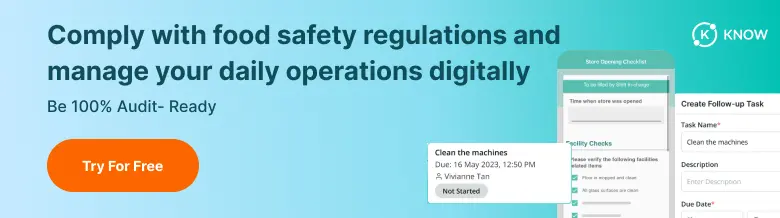
Incorporating cutting-edge digital tools into your kitchen management can make all the difference in streamlining your cleaning routine. These platforms not only help maintain hygiene but also improve efficiency and accountability, allowing you to focus on what truly matters—running a successful restaurant.Here are some tools that can elevate your kitchen’s cleanliness and operational effectiveness: ToolFunctionBenefitKNOWAll-in-one restaurant managementStreamlines cleaning schedules, task assignments, real-time progress tracking, digital checklists, compliance monitoring, and team training to improve efficiency across all restaurant operations.CleanFreakCustomizable cleaning checklistsEnsures every cleaning task is accounted for with tailored, detailed checklists.JoltTask management and accountabilityTracks task completion, ensuring that every cleaning responsibility is met on time.FoodDocsHACCP compliance softwareSimplifies the management of food safety standards and ensures adherence to health codes.ZenPutOperations execution platformEnhances kitchen efficiency by providing a comprehensive view of tasks and performance.These tools offer more than just convenience—they enable real-time updates, ensure accountability, and provide key insights. By integrating these digital solutions into your kitchen routine, you can transform cleaning from a task into a seamless, efficient operation.
When to change the cleaning schedules?
A static checklist won’t keep up with the dynamic nature of your kitchen. Regular updates are necessary to maintain an efficient and effective cleaning routine. Here’s when to review and make changes:
- Quarterly Reviews - Schedule a comprehensive review of your kitchen cleaning checklist every three months. This ensures that your cleaning processes and standards stay aligned with your kitchen’s evolving needs, addressing any gaps or inefficiencies.
- Equipment Changes - Update your checklist immediately whenever you introduce new cooking tools or equipment. This includes revising cleaning protocols for new appliances and adding them to your inventory of cleaning supplies. It’s crucial to ensure that all equipment is cleaned and maintained properly.
- Health Code Updates - Make necessary changes to your cleaning checklist whenever there are updates to local health regulations. By staying proactive, you can ensure that your kitchen remains compliant with current food safety laws and that you’re always prepared for health inspections.
- Seasonal Modifications - Adjust your checklist quarterly to accommodate seasonal changes in weather and your menu. Incorporate seasonal tasks, which should be performed three to four times a year, to include deep cleaning items often overlooked during regular upkeep.
- Staff Input Reviews - Conduct monthly team meetings to gather feedback on the effectiveness of your kitchen cleaning checklist. Listen to your staff’s input regarding the tools, cleaning methods, and the practicality of the checklist.
Training Staff for Effective Cleaning Practices
You’ve got the perfect checklist and the right tools, but there's one final piece to the puzzle: a well-trained team. Even the best cleaning plan won’t work if your staff isn’t equipped to execute it effectively. Here’s how to make sure your team is ready to keep your kitchen spotless:
- Make Cleaning Part of Onboarding: From day one, instill the importance of cleanliness. New hires should understand that maintaining a clean kitchen is just as critical as cooking skills. Walk them through the checklist, demonstrate proper cleaning techniques, and explain the reasons behind each task—this creates a strong foundation for their cleaning habits.
- Keep Training Ongoing: Regular training ensures that cleaning practices stay sharp. Use these sessions to introduce new cleaning products, review techniques, and address any issues that have come up. It’s also a great time to update the team on any changes to your checklist.
- Cultivate a Cleanliness Culture: Foster an environment where cleanliness is valued. Acknowledge and reward staff members who consistently go above and beyond in keeping the kitchen clean. Consider launching a “Cleaner of the Month” program to motivate everyone to take pride in their workspace.
- Explain the “Why” Behind Cleaning: Don’t just tell your team what needs to be cleaned—explain why it’s crucial. When staff members understand how their cleaning efforts impact food safety, customer satisfaction, and the overall kitchen environment, they’re more likely to approach cleaning with the seriousness it deserves.
- Lead by Example: As the leader, set the tone by rolling up your sleeves and jumping in to help. When your team sees you actively participating in cleaning tasks, it reinforces the idea that maintaining a clean kitchen is a shared responsibility, no matter the position.
By training your staff not just on what to clean, but on the why and how, and using KNOW to support their learning, you’ll create a kitchen environment where cleanliness is a priority, and your team takes pride in maintaining the highest standards.
How KNOW Simplifies the Kitchen Cleaning Checklist Process
KNOW is more than just a tool—it's your restaurant's all-in-one assistant that streamlines every aspect of your operational routine. Here's how KNOW transforms your kitchen cleaning checklist:
- Organizes Your Checklist: KNOW eliminates the risk of misplaced or damaged paper checklists, keeping everything in one organized, accessible place for easy reference and action.
- Ensures Task Completion: Automated reminders ensure every cleaning task is completed on time, helping maintain consistency and accountability without relying on memory.
- Monitors Progress in Real-Time: Real-time tracking of task completion provides you with instant insights into what's been accomplished and what's still pending, keeping operations running smoothly.
- Adapts to Changing Needs: Quickly and easily update checklists to reflect new equipment, revised cleaning schedules, or any other changes, ensuring your processes stay aligned with your kitchen’s evolving requirement.
[maxbutton id="1" url="https://www.getknowapp.com/get-started" text="Book a Free Demo" ]
How KNOW Optimizes Your Restaurant Operations
KNOW is more than just a cleaning tool—it’s a comprehensive digital assistant that streamlines every aspect of your kitchen and restaurant management. Here’s how KNOW helps optimize your entire operation:
- Simplify Reporting and Task Completion: Say goodbye to paper forms. With KNOW, all tasks and reports are tracked digitally, minimizing errors, saving time, and ensuring everything is properly documented.
- Streamline Audits and Stay Compliant: KNOW makes audits for cleaning, food safety, and kitchen performance simple. It helps ensure that you're always in compliance with regulations, while also improving your overall operational standards.
- Track and Manage Employee Training: KNOW lets you easily track employee training progress, providing quick access to training materials and certifications. Your team will always be up-to-date and ready for their responsibilities.
- Efficient Shift Planning: Use KNOW to effectively plan shifts, ensuring your kitchen is always staffed with the right people to handle cleaning and other essential tasks. This reduces the risk of gaps during busy periods.
- Track Employee Hours and Compliance: KNOW’s built-in time clock allows you to seamlessly track employee hours. Staff can easily clock in and out, while you monitor attendance for accurate payroll and ensure compliance with labor laws.
- Prevent Equipment Breakdowns: Stay ahead of maintenance with KNOW. Track equipment repair requests and schedule maintenance to prevent costly breakdowns that could impact your operations.
- Manage Safety Protocols to Maintain a Safer Workplace: KNOW helps you stay on top of safety protocols, ensuring food safety, sanitation, and all kitchen safety practices are followed. This helps create a safer working environment for your team.
- Resolve Incidents Quickly: If an incident occurs, KNOW lets your team report it in real time, enabling fast follow-up and resolution. This keeps your kitchen running safely, smoothly, and in compliance with regulations.
With KNOW, you’re not just managing kitchen cleanliness—you’re optimizing every aspect of your kitchen operations, from cleaning and safety to staff management and compliance. KNOW ensures your operations run efficiently, safely, and in full compliance with all regulations.

Sparkling Clean and Ready to Serve: Elevate Your Kitchen's Standards
With the right tools, training, and approach, maintaining a spotless kitchen is no longer a challenge – it becomes a standard of excellence. By creating a clear, actionable kitchen cleaning checklist, you ensure not just compliance, but a testament to the high standards you uphold in your restaurant.A clean kitchen is more than just a requirement – it’s a reflection of your commitment to operational excellence, safety, and the well-being of your team and guests. So, are you ready to elevate your cleaning processes and turn them into a cornerstone of your restaurant’s success?Take your restaurant’s efficiency and cleanliness to the next level with KNOW. It’s not just about managing tasks – it’s about optimizing your entire operations, improving team accountability, and ensuring a consistently safe and efficient environment for everyone.[maxbutton id="1" url="https://www.getknowapp.com/get-started" text="Book a Free Demo" ]
FAQs
1. What’s the best way to clean a commercial oven?
For the best results, use a specialized oven cleaner when the oven is slightly warm. Allow it to sit overnight to loosen grease and grime, making it easier to clean.
3. How can I motivate my team to follow the cleaning schedule?
Create a culture of accountability by setting clear expectations, offering incentives for consistent performance, and providing ongoing training to reinforce the importance of maintaining cleanliness.
4. What’s the most commonly overlooked area during kitchen cleaning?
Areas like light fixtures, vents, and behind appliances are often neglected. Make sure to incorporate these into your regular cleaning routine to avoid buildup and ensure a comprehensive clean.
3. How do I properly sanitize cutting boards?
Sanitize cutting boards by using a mixture of water and bleach (1 tablespoon bleach to 1 gallon of water), ensuring they are fully submerged. Alternatively, a non-toxic commercial sanitizer can be used for a quicker solution.
Enjoying this article?
Ready to streamline your operations?

Related Articles

Bar Staff Training: A Complete Guide to Building a Skilled, Confident Team


.png)
How to Create Interactive Training Modules: A Practical Guide for Restaurants
.png)

Preventing Employee Burnout in Restaurants: Causes, Signs & Solutions