
Every Safety IncidentReported, Tracked, and Resolved


.webp)
.webp)








Why Safety Reporting Fails at Scale

What Changes When Safety Reporting Goes Digital
From Incident to Action to Resolution

What Teams Actually Use KNOW For
What OurCustomers Say




Frequently Asked Questions
A safety reporting system is a platform where employees document workplace incidents, near misses, hazards, and safety observations. It replaces paper-based reporting with digital forms that capture structured details, photos, and timestamps. KNOW functions as a safety reporting system for frontline operations, connecting incident reporting to corrective action tracking, safety training, and centralized dashboards across all locations.
The 5 W's are Who (who was involved or witnessed the event), What (what happened), When (date and time), Where (specific location), and Why (contributing factors or root cause). KNOW's digital incident forms are structured to capture all five, with timestamped entries, location details, and descriptive fields completed on mobile at the time the incident occurs.
A safety observation report documents unsafe conditions, at-risk behaviors, or positive safety practices observed during operations. Unlike incident reports, observations capture potential hazards before they cause harm. KNOW lets frontline workers submit safety observations from their mobile device with photos and notes, giving safety teams early warning data to address hazards proactively.
A safety compliance report summarizes an organization's adherence to safety regulations and internal safety policies. It typically includes incident counts, corrective action completion rates, training records, and audit results. KNOW provides the underlying data for compliance reports by centralizing incident data, corrective action status, and training completion across all locations on one dashboard.
The 3 C's are Communication, Compliance, and Culture. Communication means safety policies and hazards are shared with every employee. Compliance means following applicable safety regulations. Culture means safety is embedded into daily operations. KNOW supports all three: communication through announcements and training, compliance through tracked audits and documentation, and culture by making reporting accessible for every frontline worker.
Reporting rates increase when the process is fast, mobile, and accessible from the frontline. KNOW lets workers submit reports from their phone in minutes with structured forms, photo attachments, and offline capability. When reporting is easy and workers see corrective actions being taken, they report more consistently. Dashboards also flag locations with low reporting rates that may indicate underreporting.
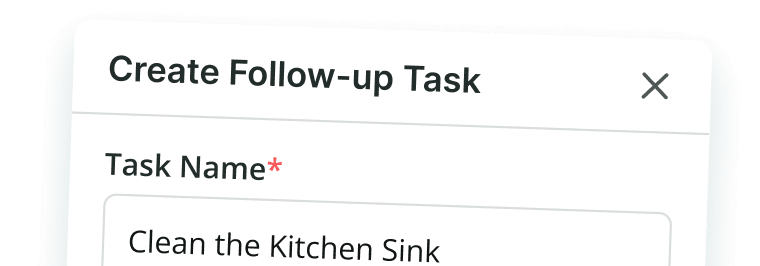
Every corrective action is assigned to a specific employee with a deadline and priority level. The assigned person resolves the issue with photo evidence and marks it complete. Managers track all open, in-progress, and overdue actions from one dashboard. Automated alerts flag items at risk of missing their deadline. This ensures that safety incidents lead to verified resolution, not just documentation.
An incident report documents an event where harm, injury, or damage occurred. A near-miss report documents an event where harm could have occurred but did not. Both are critical for safety management. Near misses provide early warning data that can prevent future incidents if acted on. KNOW supports both with separate digital form templates, and both feed into the same centralized dashboard for safety trend analysis.
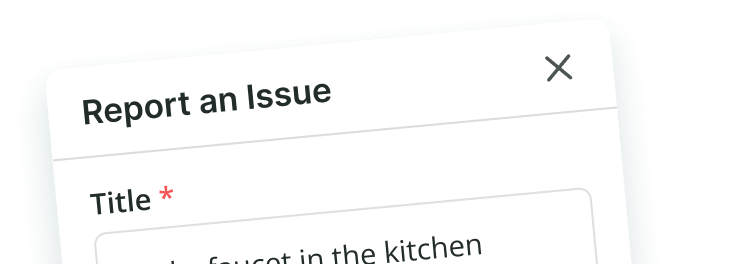
Yes. KNOW replaces paper incident forms with digital reports completed on mobile devices. Every report includes timestamps, structured details, and photo evidence. Reports reach managers instantly, and corrective actions are assigned and tracked digitally. The platform works offline, so workers in areas with limited connectivity can submit reports that sync when reconnected.
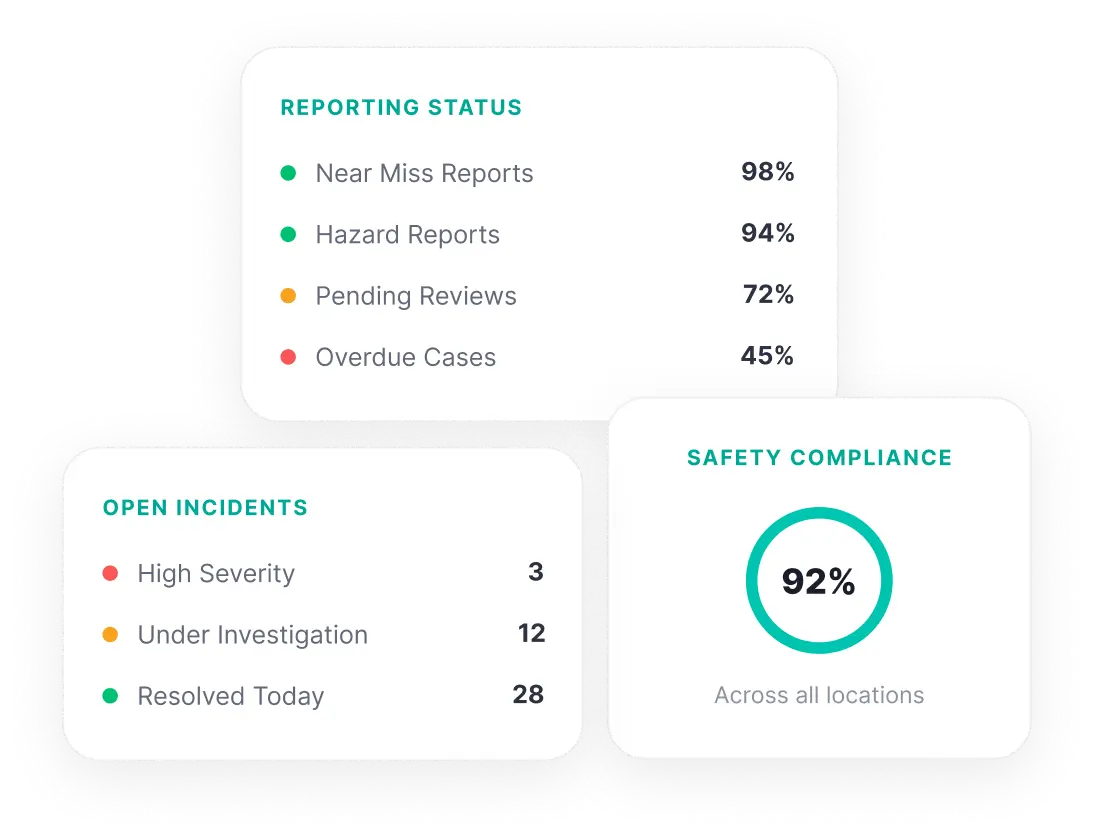
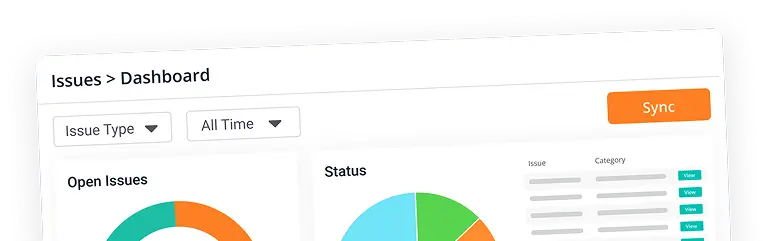
All safety data from every location feeds into one dashboard. Safety leaders can view incident volume by type, location, and time period. Repeat hazards, high-incident locations, and corrective action completion rates are visible without manual compilation. This helps leaders direct safety resources, training, and preventive measures where they are needed most.